Laos Education Ministry Reviews Quota Policy for Human Resource Development
Politics
2026年7月5日
3
KPL Laos News
Relations
🇱🇦Laos🇻🇳Vietnam🇨🇳China

Laos Education Ministry Reviews Quota Policy for Human Resource Development

AI サマリー

The Lao Ministry of Education and Sports is reviewing its scholarship and admission quota policies to strengthen human resource development. The aim is to cultivate talent aligned with regional economic needs and labor market demands, enhancing coordination between educational institutions and employers.

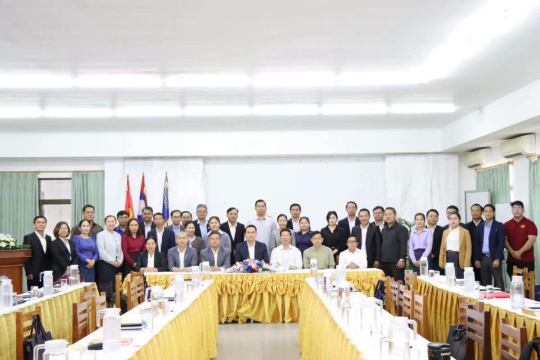
The Lao Ministry of Education and Sports is undertaking a review of its scholarship and admission quota policies to bolster human resource development, aiming to cultivate professionals aligned with regional economic needs and labor market demands. Enhanced coordination between educational institutions and employers is central to this initiative. A meeting chaired by Toudavan Nomeuangset, Director General of the Department of Organization and Personnel, brought together senior ministry officials, provincial education authorities, representatives from ministries with affiliated educational institutions, the National University of Laos, technical colleges, and private education providers. Mr. Nomeuangset highlighted that ongoing institutional reforms have strengthened the role of the Human Resource Development Office in coordinating national workforce planning. He noted that reforms introduced during the 2025–2026 academic year, including greater decentralization of scholarship and admission quota management to educational institutions and provincial authorities, have improved the selection of qualified students, increased enrollment in priority fields, and significantly reduced unfilled scholarship positions. Provincial authorities are now better positioned to allocate scholarships according to local socio-economic development priorities and labor market demand, helping ensure graduates possess the skills required for regional development. Looking ahead, the ministry called for all sectors to strengthen annual workforce demand assessments, improve coordination between education providers and employers, and align admissions and training programmes with current and future labor market requirements. It also emphasized the need to modernize curricula, expand skills-based education, review domestic and overseas scholarship policies, and further develop a sustainable government scholarship system. These reforms are intended to improve both the quality and efficiency of human resource development, ensuring that graduates are equipped with the knowledge and skills needed to support Laos' long-term socio-economic development. Information Source: KPL Laos News

多角的分析

経済的影響

ラオス経済は、地理的制約、インフラ不足、そして中国やベトナムへの経済的依存といった構造的な課題を抱えている。今回の教育政策の見直しは、こうした課題に対処し、国内産業のニーズに合致した人材を育成することで、経済の自立度を高めようとする試みと見られる。特に、地域経済の発展と労働市場の需要に合わせた人材育成は、産業構造の高度化や新たな雇用創ちにつながる可能性を秘めている。しかし、その効果は、教育カリキュラムの質、教員の能力、そして卒業後の就職支援体制の整備といった、実行段階での課題克服にかかっている。

投資家心理

投資家にとって、ラオスの人的資源開発への注力は、将来的な労働力の質向上と国内産業の成長ポテンシャルを示すサインとなり得る。特に、インフラ開発や天然資源開発といった伝統的な投資分野に加え、教育・技術分野への投資機会が生まれる可能性がある。しかし、投資判断においては、政策の実行能力、汚職のリスク、そして中国やベトナムといった周辺大国との経済的関係の安定性が依然として重要な要素となる。長期的な視点での、より透明性の高い投資環境の整備が求められる。

社会的影響

今回の奨学金・入学枠政策の見直しは、地方の学生にとって、より地域の実情に合った分野で学習機会を得るチャンスを広げる可能性がある。これまで首都圏の大学や特定の人気分野に集中しがちだった奨学金が、地域開発に必要な専門職に振り向けられるようになれば、地域間の教育格差是正にもつながる。一方で、政策変更に伴う情報伝達の不備や、地方の教育機関における指導力の格差が、新たな不公平を生むリスクも懸念される。特に、地方の若者が最新の労働市場の動向を把握し、自身のキャリアパスを適切に描くための情報アクセスが課題となる。

市民の声

今回の政策変更は、ラオス国民、特に学生とその家族にとって、教育機会の選択肢に直接的な影響を与える。地域経済のニーズに合致した分野への進学が奨励されることで、卒業後の就職機会の増加や、より安定した収入を得られる可能性が高まる。しかし、これまで人気が高かった分野への進学が難しくなる、あるいは新たな分野への適応が求められるといった変化も生じうる。地方の学生が、首都の学生と同等の情報や機会にアクセスできるか、また、教育機関と雇用主との連携が円滑に進むかどうかが、国民生活の実感に大きく影響するだろう。

背景・歴史的文脈

ラオスは社会主義一党体制の下、経済発展と国民生活の向上を目指し、長年にわたり教育分野への投資を続けてきた。特に、1990年代以降の市場経済化以降、経済成長を支えるための専門人材育成の必要性が高まった。しかし、教育システムと労働市場のニーズとの乖離、地方と都市部の教育格差、そして国際的な競争力を持つ人材の不足といった課題が指摘されてきた。今回の奨学金・入学枠政策の見直しは、こうした背景を踏まえ、より実効性のある人的資源開発を目指すラオス政府の継続的な努力の一環である。特に、近年の中国やベトナムとの経済関係の深化に伴い、これらの国々の経済発展を支える人材育成モデルを参考にしつつ、ラオス独自の発展戦略に沿った教育政策を模索していると考えられる。

原文ソース

KPL Laos News

原文を読む