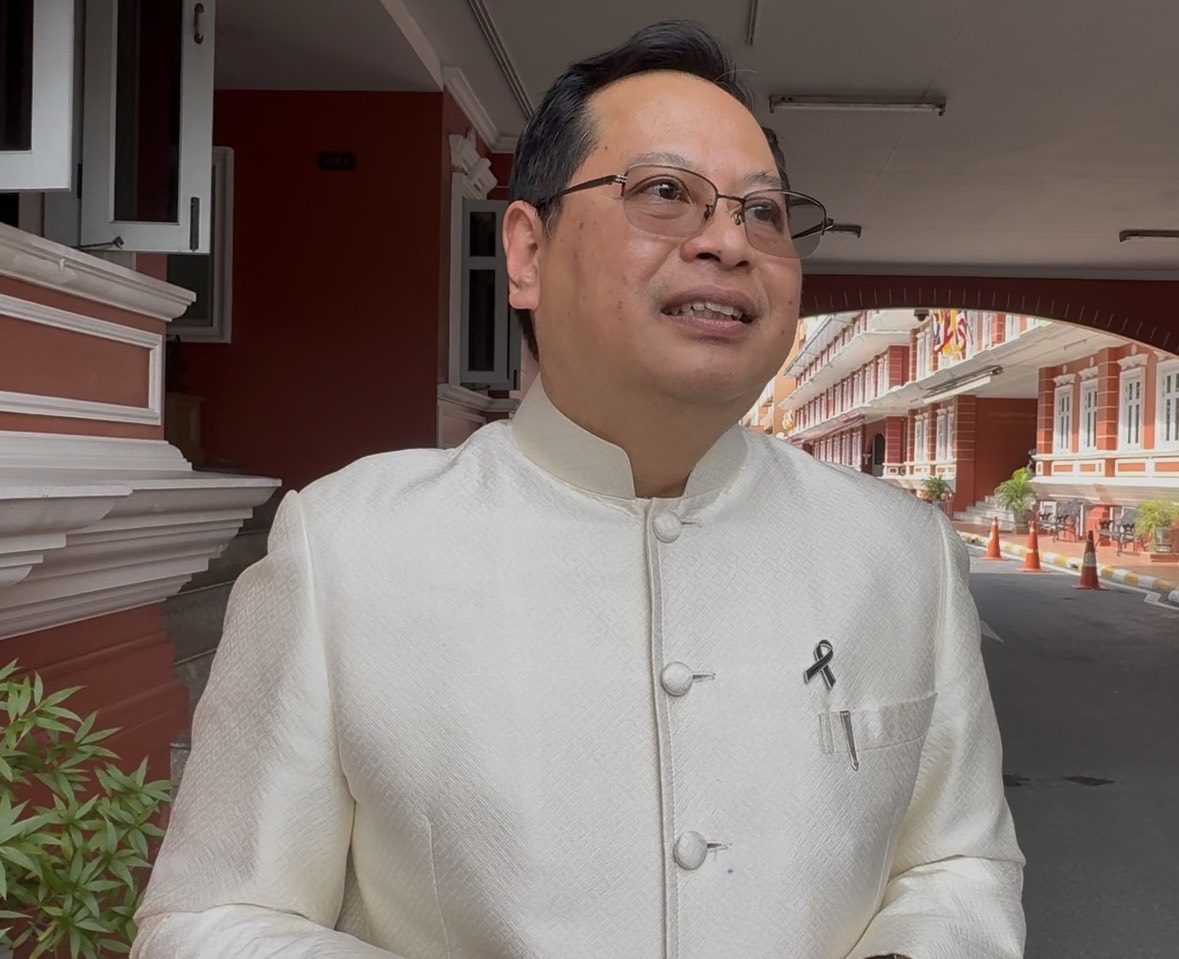
Thailand Eyes Disaster Insurance Scheme to Expedite Aid
Thailand's Deputy Prime Minister has proposed a "disaster insurance" scheme involving public-private partnerships to address the increasing frequency and severity of natural disasters. The aim is to expedite aid to victims and reduce the government's fiscal burden by leveraging private insurers' rapid payout capabilities, with premium rates to be risk-based, inspired by Japan's model.
Deputy Prime Minister Pakorn Nilaphan has proposed an idea for a "disaster insurance" scheme involving public-private partnerships as a measure against the increasing frequency and severity of natural disasters in recent years. This concept aims to increase financial aid to disaster victims and reduce the government's fiscal burden by leveraging the rapid payout capabilities of private insurance companies during disasters. The Ministry of Interior is currently working with the Ministry of Finance, the Office of the Insurance Commission (OIC), and the Thai General Insurance Association to materialize this scheme. The basic principle is based on Japan's insurance system for natural disasters such as earthquakes, floods, and strong winds. By having private insurance companies share and underwrite the risks, the aim is to move away from the current reliance on direct government subsidies. Deputy Prime Minister Pakorn pointed out that the financial aid provided solely by the government (e.g., 9,000 baht) is insufficient to cover the actual costs of home repairs after natural disasters. He explained that with the introduction of disaster insurance, victims could potentially receive larger compensation more quickly. Insurance premiums are expected to be set according to the disaster risk of each area, meaning premiums will be higher in high-risk regions. Furthermore, the traditional process of payment from government budgets is cumbersome and time-consuming, often delaying the recovery of disaster victims. Insurance payments, however, would allow for prompt cash disbursements upon meeting specified conditions. However, there will be a limit to the payouts covered by insurance companies, and the government may consider limited additional support for amounts exceeding this threshold. The Deputy Prime Minister emphasized that this disaster insurance concept is not an abandonment of victims by the government, but rather a new approach to build a more effective and rapid support system. Initial discussions among the relevant ministries have been completed, and final adjustments are underway to formulate specific numerical targets and propose the plan to the cabinet. The aim is to secure cabinet approval as soon as possible, with calls for expedited procedures. Source: INN News
多角的分析
タイ経済は、近年、自然災害による被害が拡大しており、その復旧・復興には多額の財政支出を要している。今回の災害保険導入案は、民間保険の活用により、政府の財政負担を軽減しつつ、迅速な資金供給を可能にすることで、経済的損失の最小化を図るものと考えられる。地域ごとのリスクに応じた保険料設定は、保険市場の健全な発展を促す一方で、低所得者層への負担増となる可能性も指摘される。日本のような公的支援と民間保険の連携モデルは、タイ経済のレジリエンス強化に寄与する可能性がある。
この災害保険スキームは、タイの保険市場、特に損害保険分野への新たな投資機会をもたらす可能性がある。民間保険会社は、政府との連携を通じて、これまでリスクが高く参入が難しかった自然災害分野での事業拡大が見込める。ただし、保険料設定や支払いメカニズム、政府の補償範囲など、具体的な制度設計が投資家のリスク評価に大きく影響するだろう。また、災害リスクの評価・管理能力を持つ企業や、関連するリスク管理コンサルティングサービスへの需要も高まることが予想される。
自然災害の頻発化は、タイ国民の生活基盤を揺るがす深刻な社会問題となっている。特に地方部や脆弱なインフラを持つ地域では、被害からの復旧に長期間を要し、生活再建が困難になるケースが多い。災害保険の導入により、被災者がより迅速に、かつ十分な額の金銭的支援を受けられるようになれば、生活の安定化に大きく貢献する。しかし、保険料の負担能力や、保険制度への理解度といった課題も浮上する。特に、所得の低い層や情報へのアクセスが限られる人々への配慮が不可欠となる。
タイ国民、特に自然災害の被害を受けやすい地域に住む人々にとって、この災害保険案は朗報となる可能性がある。これまで、災害発生後の公的支援はしばしば遅延し、その額も十分ではないという声が聞かれてきた。民間保険の迅速な支払いメカニズムが導入されれば、家屋の修繕や生活必需品の購入など、緊急に必要な資金を早期に得られるようになる。しかし、保険料が所得に見合わない場合や、保険の適用範囲外となる損害が発生した場合、不公平感が生じる可能性もある。住民は、制度の詳細が明らかになるのを注視し、自分たちの生活にどう影響するかを理解する必要がある。
背景・歴史的文脈
タイでは近年、異常気象による洪水、干ばつ、熱波などの自然災害が頻発し、甚大な被害をもたらしている。特に2011年の大洪水では、広範囲にわたり深刻な被害が発生し、経済活動にも大きな打撃を与えた。これ以降、政府は災害対策の強化を課題としてきたが、公的予算による支援には限界があり、迅速かつ十分な支援が難しいという問題が指摘されていた。このような背景から、政府は財政負担を軽減し、被災者への支援を迅速化するため、民間保険の活用を含む新たなアプローチを模索してきた。日本の自然災害保険制度は、その成功例として参考にされている。
原文ソース
INN News