General articles are free for 24 hours after publish.
Cambodia Takes Step Towards Virtual Asset Regulation, Balancing Financial Stability and Innovation
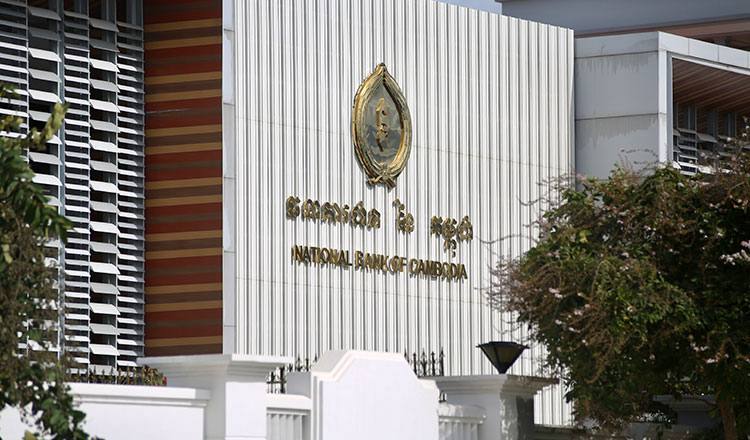
The National Bank of Cambodia and the Securities and Exchange Regulator of Cambodia have issued a joint statement to address the rapid growth of the virtual asset market and its associated risks. The move aims to clarify the regulatory framework, focusing on investor protection, anti-money laundering, and financial system stability.
The National Bank of Cambodia (NBC) and the Securities and Exchange Regulator of Cambodia (SERC) have issued a joint statement on the principles for managing virtual assets and virtual asset service providers. This initiative aims to address the rapid growth of the virtual asset market and its associated risks, including macroeconomic risks, investor and consumer protection, fraud, price volatility, money laundering, terrorist financing, sanctions evasion, and cybercrime. The statement highlights that the virtual asset market has expanded as a speculative investment, potentially creating macroeconomic risks beyond its function as a means of payment for goods and services. In 2018, a joint statement by the NBC, Cambodian National Police, and SERC warned the public about the risks of cryptocurrencies, stipulating that individuals or legal entities soliciting, buying, selling, trading, or settling cryptocurrencies without a license from the competent authorities would be subject to legal penalties. However, risks have escalated due to the global increase in virtual asset usage, their cross-border nature, the intricate interconnections among virtual asset service providers, and their increasing entanglement with the financial system. To address this, the Cambodian government has formulated the "Digital Economy and Social Policy 2021-2035" and the "Cambodia Financial Technology Development Policy 2023-2028." These policies aim to drive digital transformation in the financial sector, enhance productivity, diversify, and improve efficiency in the securities, payment, and fintech sectors. The joint statement aligns with these policy objectives, seeking to foster transparency in the financial market, expand access to financial services, create economic opportunities, and contribute to public revenue by clarifying the regulatory framework for virtual assets. Furthermore, the regulation intends to support the diversification of digital financial infrastructure, innovation in fintech technology and human capital, while also addressing risks arising from the digital and financial illiteracy of investors and the public. Virtual assets are defined as digital units of value reliant on cryptography and Distributed Ledger Technology (DLT) or similar technologies, which can be traded or transferred in digital form. Source: AKP Khmer
Original source
AKP Khmer