General articles are free for 24 hours after publish.
Pangasinan aquaculture players demand say in development projects
Aquaculture stakeholders in Pangasinan are demanding to be included in consultations for development projects, citing massive flooding this year that led to significant losses and potential impacts from upland developments.
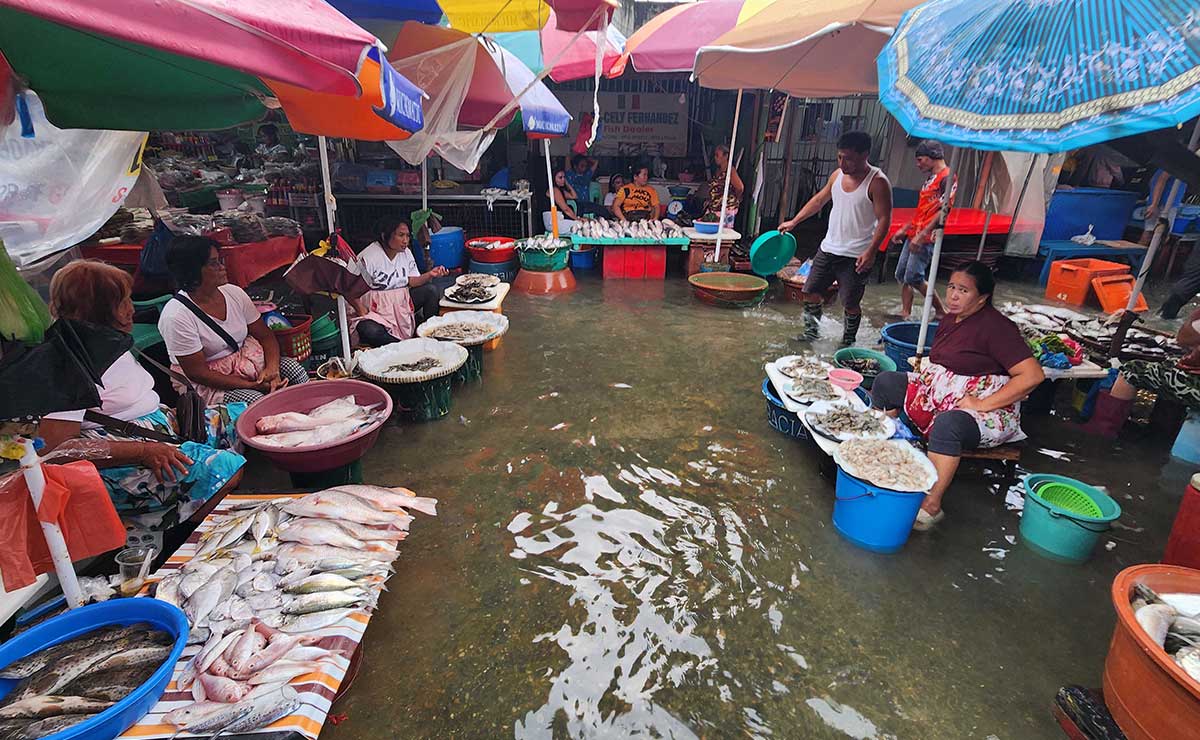
CALASIAO, Pangasinan — Aquaculture industry players in Pangasinan are urging authorities to include them in consultations for development projects, saying they are often left to bear the consequences of decisions in which they have little or no say. “We are a big part of the country’s food security, but we are often overlooked by the government when projects, such as solar farms in the mountains, are being planned and implemented,” said Christopher Sibayan, president of the Samahan ng Magbabangus sa Pangasinan (SAMAPA) in a recent interview. Sibayan said massive flooding this year inundated fishponds for weeks, causing them to overflow and allowing fish stocks to escape into rivers and other waterways. READ: Massive fish kill hits Pangasinan town Binmaley, Labrador, Lingayen and Bugallon, major aquaculture areas, were severely affected by nearly monthlong flooding brought by the enhanced southwest monsoon, or habagat, and tropical cyclones Luis, Maymay and Neneng. Industry players believe developments in upland areas, including solar farms in Bugallon and Labrador, may have worsened the flooding. William Go, a SAMAPA coordinator, said some solar farm projects involved cutting trees that could have helped lessen the impact of heavy rains. Sibayan said solar companies should have installed water-impounding facilities so rainwater collected by solar panels would not rapidly flow downhill into rivers and fishponds. “Without the panels, rainwater could flow more slowly. But the water is collected by the panels and ran rapidly flow downstream all at once,” Go said. READ: Erratic weather harmful to Pangasinan ‘bangus’ Vita Mamaril, a fisheries industry leader in Bugallon, said the flooding this year was unusually severe. “Bugallon has always experienced flooding, but it was only this year that the flooding became so massive and took weeks to subside,” she said. She also disputed claims that all mountains where solar farms were established had already been denuded. “It is not true that all the mountains were denuded. Cayanga was still forested before a solar farm was put up there,” she said. Sibayan said the flooding showed how developments upstream could affect the fisheries sector downstream. “What is happening in the mountains directly or indirectly affects us in the lowlands, including those of us in the fisheries sector,” he said. Fishpond operators also lost millions of pesos in fish stocks and inputs after floodwaters overtopped pond embankments. One Binmaley operator, who requested anonymity, estimated his losses at about P5 million in fingerlings and feeds. The fish weighed about 200 grams each when they escaped. “That does not even include the income we would have earned if the stocks had grown to harvestable size and were sold after another two to three months,” he said. Another bangus producer in Labrador said he lost about 500,000 fingerlings being raised in a nine-hectare fishpond. Manuel Estrada of Labrador said high-value fish, including malaga, lapu-lapu and talakitok, were also affected after the salinity of river water dropped to zero because of the flooding. Workers also lost their livelihood. Melchor Valdez, a fishpond “harvester” in Bugallon, said many ponds now had few or no fish stocks left to harvest. “Bugallon fishponds have no stocks to harvest, so I have no work,” Valdez said. He said flooded palay farms were also leaving agricultural workers without income. “Even the palay farms in my barangay in Estanza, Lingayen, are flooded, so there is nothing to harvest there either,” said Valdez, who also works as a palay harvester. /das
Original source
Inquirer NewsInfo