Torrential Monsoon Rains Worsen Livelihood and Humanitarian Crisis for Displaced Civilians in Myanmar’s Arakan State
Burma News International (BNI) is a network of 15 independent media and news organizations based in and around Burma Internally displaced persons (IDPs) in western Myanmar’s Arakan (Rakhine) State are facing deterioratin
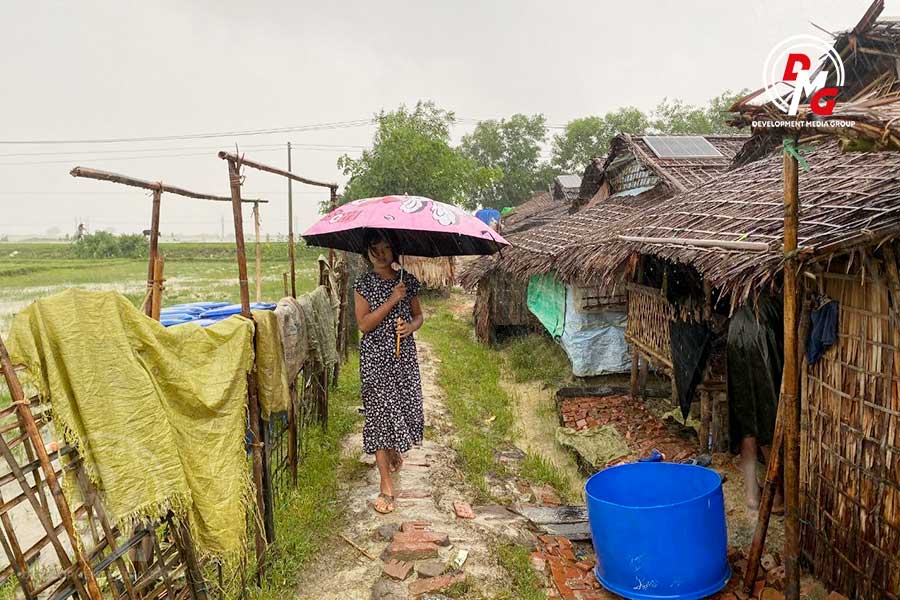
Burma News International (BNI) is a network of 15 independent media and news organizations based in and around Burma Internally displaced persons (IDPs) in western Myanmar’s Arakan (Rakhine) State are facing deteriorating living conditions, with acute shortages of shelter, food, and healthcare, as heavy monsoon rains and strong winds batter the region. Continuous torrential downpours have lashed the state since July 4, halting outdoor daily wage labor and leaving thousands of displaced families stranded in leaking, makeshift shelters with dwindling food supplies. "We use tarpaulins to cover holes in the old corrugated iron sheets, but they cannot withstand the heavy winds. Rain leaks through everything," said Daw Shwe Khin Aye, a displaced resident sheltering in Kyauktaw Township. "Yesterday, while we were eating, a sudden gust of wind soaked our food. We can endure the harsh living conditions of being displaced, but what we cannot tolerate is the literal struggle to surviveday by day." Trapped between the constant threat of military junta airstrikes and severe monsoon weather, displaced communities are enduring immense physical and psychological trauma. The vast majority of IDPs rely on informal daily wage labor to feed their families. However, the relentless weather has halted major local economic activities, including cargo boat operations, leaving the workforce largely unemployed. Even for those who manage to find seasonal agricultural work during the monsoon, stagnant low wages coupled with skyrocketing commodity prices have made survival nearly impossible. "A displaced woman earns only about 8,000 MMK (approx. $2 USD) a day, while men make around 20,000 MMK (approx. $5 USD) daily based on current parallel market rates," explained U Aung Thein Tun, another IDP in Kyauktaw. "Families with active laborers scraped by, but those without earn absolutely nothing. Most IDPs are spending whatever minor cash they have just on salt and cooking oil. No one has extra money to liveon." The military junta’s strict blockade of trade routes into Arakan State has driven the cost of basic goods exponentially higher, compounding the daily survival challenges. Inflation has risen to the point where IDPs cannot even afford basic rain gear, forcing them to work unprotected in torrential rains and risking exposure to illness. "I cannot afford to buy a raincoat. Going out to work in this weather makes us sick, but we have no choice because our families need to eat," Daw Shwe Khin Aye added. The persistent dampness and lack of sanitation have sparked fears of widespread seasonal influenza and waterborne diseases, including diarrhea, particularly among children and the elderly. A severe shortage of mosquito nets and limited access to safe drinking water inside the camps further magnified the threat. The ongoing civil conflict has also disrupted education. Despite the start of the new academic year, many displaced children remain unable to return to school due to the high cost of school supplies and the long, hazardous distances between displacement camps and functioning schools. "With the heavy rains, jobs have completely dried up. To make matters worse, the military regime bombed my previous workplace, so I have no income at all," said Ma Hnin Nwel, another displaced resident. "Displaced people here are facing total collapse across livelihoods, education, and health." Camp administrators state that residents are in need of emergency aid, including mosquito nets, tarpaulins, essential medicines, basic food provisions, and feminine hygiene products. However, international and local humanitarian assistance remains heavily restricted due to the ongoing conflict and military blockades.
多角的分析
直接の経済ニュースではありませんが、治安と司法の信頼は地域経済の土台です。職場での暴力や未成年者保護への不安が強まると、夜間営業、観光、雇用、地域サービス業のリスク認識が高まります。
投資家目線では、個別事件よりも法執行の予見可能性が焦点です。加害者への対応が曖昧になれば、ローカルビジネスの統治リスクや従業員保護の弱さとして評価されやすくなります。
ビルマ ニュース インターナショナル (BNI) は、ビルマとその周辺に拠点を置く 15 の独立メディアおよび報道機関のネットワークです。 ミ…という事実は、地域の人々にとって抽象的な人権論ではなく、働く場所や夜間の移動をどこまで信用できるかという問題です。BNI (Burma News International)の報道は、住民と当局の対応を継続して見せる必要があります。
市民にとっては、自分や家族が被害に遭った時に公正な手続きへアクセスできるのかが最大の関心です。地域団体が声を上げることで、事件の風化を防ぎ、被害者側の孤立を和らげる意味があります。
背景・歴史的文脈
このニュースは、ミャンマーの地域社会で法の支配と弱者保護がどこまで機能しているかを映す事案です。暴力事件そのものに加え、女性団体や市民社会が司法手続きを求めて声を上げている点が重要です。軍政下では警察・司法への信頼が揺らぎやすく、個別事件が地域の不安や統治への不信に直結します。
原文ソース
BNI (Burma News International)