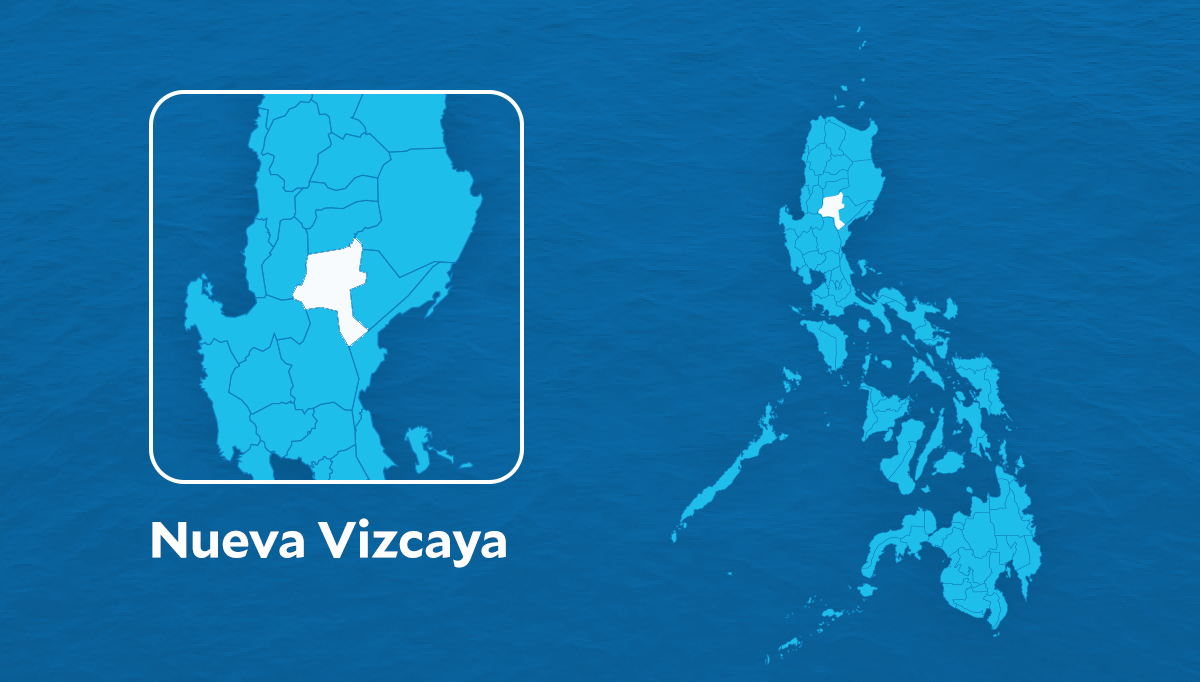
39 Nueva Vizcaya Villages on Landslide, Flood Watch as Typhoon Inday Nears
Thirty-nine villages in five towns in Nueva Vizcaya, Philippines, are under close monitoring for landslides and floods as Super Typhoon Inday (international name: Bavi) approaches the Cagayan Valley region. High-risk areas were pre-identified, and authorities have heightened alert levels.
Thirty-nine villages in five towns in Nueva Vizcaya province have been placed under close monitoring for possible landslides and flooding as Super Typhoon Inday (international name: Bavi) threatens the Cagayan Valley region. The high-risk areas were identified during the Cagayan Valley Disaster Risk Reduction and Management Council’s online pre-disaster risk assessment and briefing on Tuesday. According to Mines and Geosciences Bureau (MGB)-Cagayan Valley geologist Aina Claravall, the assessment was based on the region’s 50-millimeter rainfall threshold, which indicates areas highly susceptible to rain-induced landslides and flooding. In response, Office of Civil Defense-Cagayan Valley director Albert Mogol ordered disaster response teams to remain on heightened alert as the typhoon is expected to bring wind gusts of 190 to 240 kilometers per hour. Forecasts show that the typhoon could be about 665 km east of Basco, Batanes, by Thursday before moving toward Taiwan or China. Mogol also urged local government units to conduct preemptive evacuations for residents living near rivers, creeks, ravines, tidal flats, river mouths, seawalls and dikes, particularly those within a 20-meter danger zone. Romeo Ganal Jr., chief of the Philippine Atmospheric, Geophysical and Astronomical Services Administration’s (Pagasa) Northern Luzon Regional Services Division, said Cagayan and Isabela could begin experiencing strong winds by Thursday, while the Babuyan and Batanes island groups are expected to bear the brunt of the typhoon. He added that the weather disturbance is expected to bring 25 to 50 millimeters of rainfall from Thursday through Saturday, increasing the risk of flooding and landslides in vulnerable areas.
多角的分析
台風インディの接近は、ヌエバ・ビスカヤ州の農業に直接的な影響を与える可能性があります。特に、収穫期に近い農作物や、インフラへの被害は、地域経済の回復に時間を要する要因となります。過去の台風被害では、農産物の供給不足による一時的な物価上昇も観測されており、消費者物価への影響も懸念されます。
短期的な投資家は、インフラ関連企業や災害復旧関連企業に注目する可能性があります。しかし、広範囲にわたる被害が発生した場合、サプライチェーンの混乱や経済活動の停滞により、全体的な投資環境が悪化するリスクも考慮する必要があります。中長期的には、強靭なインフラ構築への投資が注目されるでしょう。
ヌエバ・ビスカヤ州の39集落に指定された高リスク地域では、住民の安全確保が最優先課題です。特に、川沿いや急峻な斜面に居住する人々は、避難勧告に従い、早期の避難行動が求められます。過去の災害では、避難所の衛生状態や食料供給、そして避難後の生活再建が大きな課題となってきました。今回は、住民の不安を和らげ、迅速な支援体制を構築することが重要です。
高リスク地域に住む住民は、台風の進路や強度に関する最新情報を常に確認し、当局の指示に従う必要があります。過去の経験から、避難の遅れが人命に関わる事態につながることを理解しており、自治体による情報提供と避難計画の周知が、住民の安全確保に不可欠です。特に、高齢者や子供、障害を持つ家族がいる家庭では、事前の準備が重要となります。
背景・歴史的文脈
フィリピンは「太平洋の火の輪」に位置し、台風銀座とも呼ばれる地域にあり、年間平均20個以上の台風が襲来する。特に、カガヤンバレー地域やルソン島北部沿岸部は、台風の直接的な影響を受けやすく、過去にも甚大な被害が発生している。2020年には、スーパー台風「モラヴェ」がフィリピンを襲い、数千人が避難し、甚大なインフラ被害をもたらした。今回のインディ(バビ)は、そのインフラの脆弱性と、気候変動による災害の激甚化という、フィリピンが抱える構造的な課題を改めて浮き彫りにしている。
原文ソース
Inquirer NewsInfo