General articles are free for 24 hours after publish.
Cambodia Expands Skills Training for Informal Workers to Boost Formalization and Tourism
Cambodia is expanding skills training for informal economy workers, promoting digital registration and vocational training to facilitate their transition to the formal sector. The initiative aims to enhance tourism services and boost economic growth by strengthening the capabilities of vital contributors to job creation.
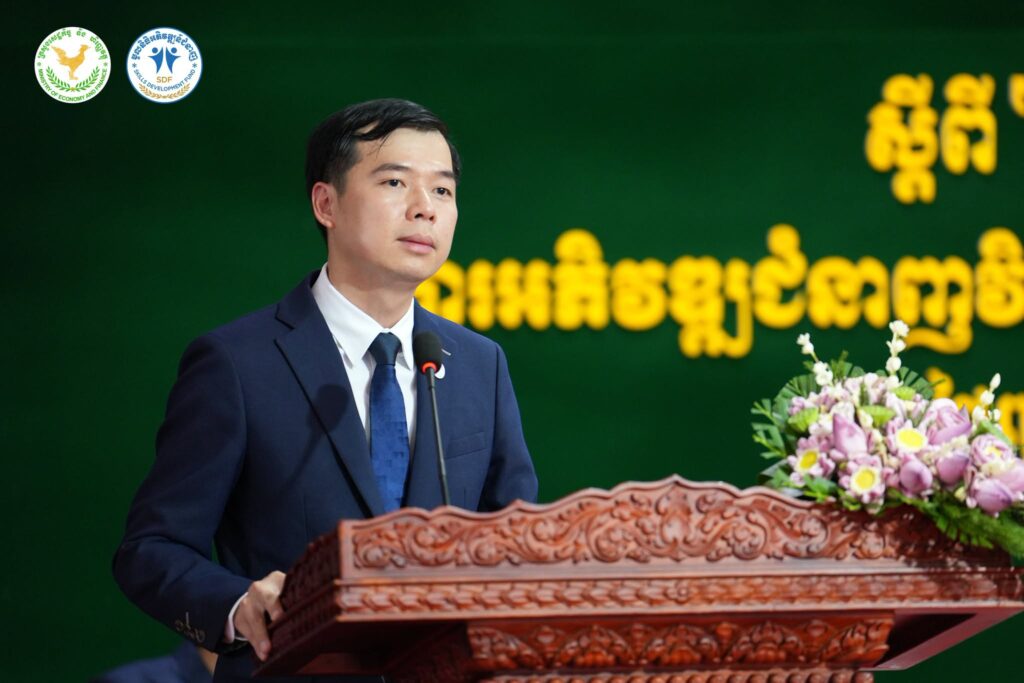
PHNOM PENH, Sept. 4, 2026 (KPT) — Cambodia is expanding skills development support for informal economy workers, with the Skills Development Fund (SDF) promoting digital registration, vocational training, and business capacity building to help workers transition toward the formal economy and strengthen tourism services, officials said Thursday. Speaking at an awareness campaign in Siem Reap, SDF chief executive Ky Sokkim said informal workers are vital contributors to economic growth and job creation. The event, presided over by Tourism Minister Huot Hak, gathered about 3,000 workers, government representatives, tourism associations, and training institutions. The initiative encouraged workers to register through the Cam‑IE digital platform to gain official recognition and digital certificates, while accessing SDF’s Skills Voucher and Informal Economy Support Program. SDF said it has supported training for 101,544 people, including 47,501 informal workers, with women accounting for 34 percent of participants. Training has focused on digital technology, marketing, business management, hospitality, and food hygiene, aiming to improve professional standards and tourism service quality at national and ASEAN levels. Sokkim said the initiative aligns with Cambodia’s National Strategy on Informal Economy Development 2023–2028, particularly efforts to help workers adopt technology and innovation while expanding their businesses. SDF added it will continue working with the Ministry of Tourism, provincial administrations, industry associations, and training institutions to co‑design and co‑invest in larger‑scale capacity‑building programmes for informal workers.
Original source
Kampuchea Thmey English