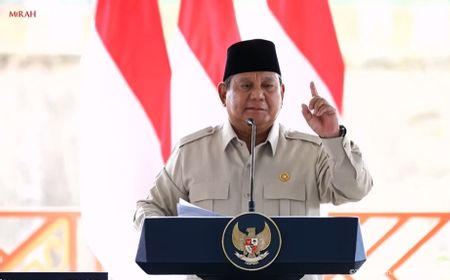
Prabowo Calculates B50 Savings Can Build Dozens of Dams Annually
President Prabowo Subianto has calculated that savings from the B50 biodiesel program could fund the construction of dozens of dams annually. This projection stems from Indonesia's move to halt diesel imports and transition to palm oil-based fuels.
President Prabowo Subianto has calculated that the savings generated by the B50 biodiesel program in Indonesia could fund the construction of dozens of dams annually. Speaking at the inauguration of five dams in Lombok, West Nusa Tenggara, on Friday, July 10, Prabowo stated that the investment for these five dams amounted to approximately Rp9.79 trillion. In contrast, he highlighted that the B50 program, by halting diesel imports, is projected to save up to Rp170 trillion in foreign exchange. "Yesterday was a very historic day. Indonesia is the first country in the world that can make diesel from plants, from palm oil," Prabowo remarked. He noted that Indonesian diesel now contains 50 percent vegetable fuel derived from palm oil, enabling the nation to cease importing diesel. He said, "Starting from these days we have started to stop importing solar from abroad. Thus, we will save Rp170 trillion." Prabowo then presented a simple calculation: if five dams cost Rp9.79 trillion, the savings from B50 could be used to build significantly more dams each year. "Imagine how many dams we can build every year," he said. The president acknowledged that the B50 policy faced initial opposition due to concerns about machine breakdowns and potential issues with factories supplying necessary components. "In the past, many people opposed it. Later the machine will be broken. Later the factory will not want to give us the machine. Anyway, later this, later that," said Prabowo. Despite these objections, the program proceeded. Prabowo linked these savings to the government's broader agenda of reducing budget leaks and corruption, asserting that Indonesia cannot prosper if state funds are continually siphoned off or wasted. "Indonesia cannot prosper if corruption is still rampant. Indonesia cannot prosper if there are many leaks," he stated. He reiterated the government''s commitment to continued efficiency and savings, ensuring that public funds are ultimately utilized for the benefit of the Indonesian people. "Every rupiah of the people's money must be enjoyed by the Indonesian people," Prabowo concluded. Source: VOI English
多角的分析
B50プログラムは、インドネシアが化石燃料の輸入依存を減らし、国内のパーム油産業を育成するという二重の経済的目標を達成するための戦略である。170兆ルピアの外貨節約は、貿易収支の改善に大きく貢献する可能性がある。しかし、パーム油由来のバイオ燃料への大規模な転換は、国際的な環境規制や、パーム油生産に伴う森林破壊への懸念といった課題に直面する可能性もある。これらの課題を管理しつつ、国内産業の育成と外貨節約を両立させることが、長期的な経済的持続可能性の鍵となる。
B50プログラムは、インドネシアのエネルギー自給率向上と外貨流出抑制という点で、マクロ経済の安定に寄与する可能性がある。これは、インフラ投資や国内消費を促進する余地を生み出すため、国内企業にとってはプラス要因となりうる。しかし、パーム油産業への依存度を高めることは、国際的な商品価格の変動リスクや、環境問題に対する国際社会からの圧力に投資家が直面する可能性を示唆している。特に、欧州連合(EU)などの環境規制強化は、インドネシア産パーム油の輸出に影響を与える可能性があり、投資家はこうしたリスクを慎重に評価する必要がある。
B50プログラムの成功は、国内のインフラ整備、特に水資源管理に不可欠なダム建設に繋がる可能性がある。これにより、農業生産性の向上や水害リスクの軽減が期待され、地方の生活基盤の安定に貢献するだろう。一方で、パーム油生産の拡大は、土地利用を巡る地域社会との摩擦や、環境保護活動家との対立を引き起こす可能性も否定できない。また、バイオ燃料への転換が、自動車や産業機械のメンテナンスコスト増加に繋がるという懸念も、一部の市民からは表明されている。これらの懸念に対応し、地域社会との共存を図ることが、政策の円滑な実施には不可欠である。
プロボウォ大統領が掲げるB50プログラムによる外貨節約とインフラ投資の関連性は、国民生活に直接的な恩恵をもたらす可能性を秘めている。特に、水不足に悩む地域や干ばつリスクのある地域では、新たなダム建設は農業用水の安定供給や飲料水の確保に繋がり、生活の質向上に寄与すると期待される。しかし、B50燃料への転換が、車両の燃費やメンテナンスにどのような影響を与えるか、またそのコストが最終的に国民負担に転嫁されないかといった点については、市民の間で不安の声も聞かれる。政府は、こうした市民の懸念に丁寧に対応し、政策の透明性を確保する必要がある。
背景・歴史的文脈
インドネシア政府は、エネルギー輸入依存度を低減し、国内産業を育成するため、バイオ燃料の利用促進を長年進めてきた。特に、パーム油は国内で豊富に生産されるため、バイオディーゼル混合率の引き上げは、外貨節約と農業振興の両面から重要な政策と位置づけられている。2020年にはB30(ディーゼル燃料に30%のパーム油由来バイオディーゼルを混合)が義務化され、今回言及されているB50はそのさらなる強化版となる。この政策は、国際的な原油価格の変動リスクを軽減し、国内のパーム油農家を支援する効果が期待される一方で、パーム油生産に伴う環境問題への懸念も常に指摘されてきた。
原文ソース
VOI English