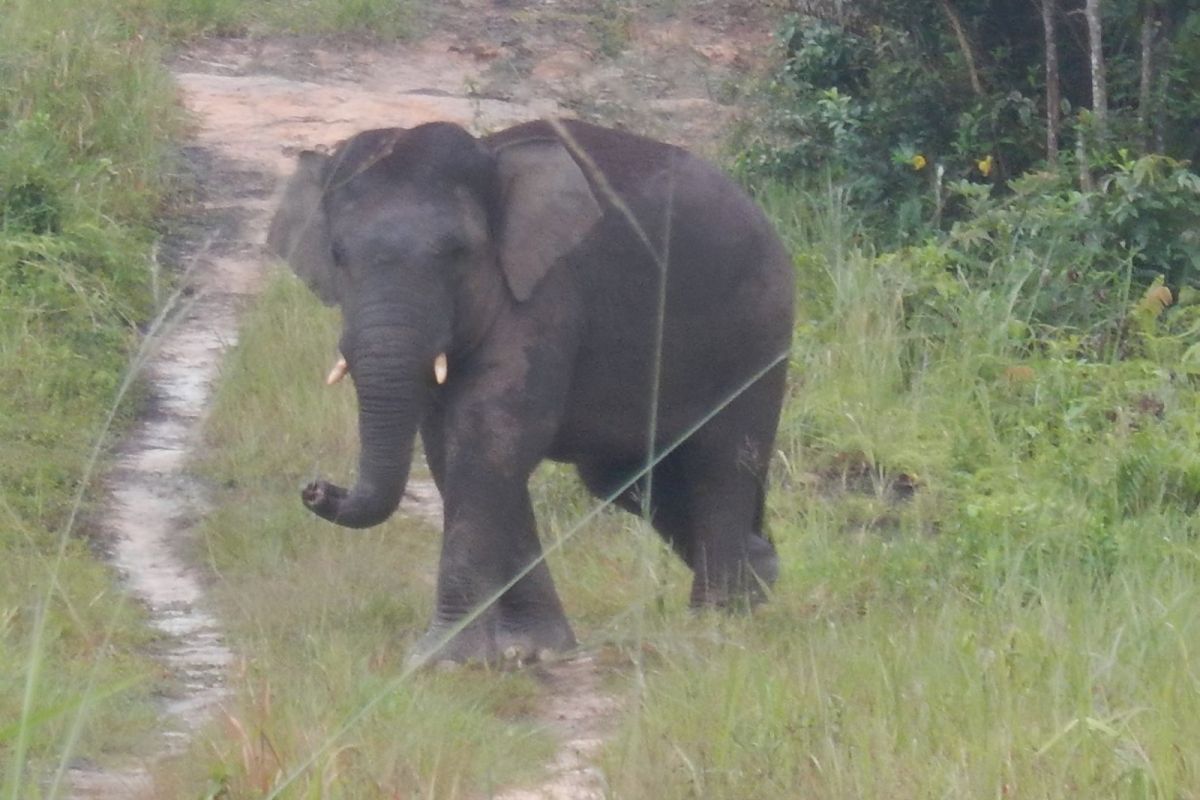
Govt Issues Presidential Decree to Save Sumatran, Kalimantan Elephants
The Indonesian government has issued a presidential decree aimed at protecting the critically endangered Sumatran and Kalimantan elephants, enacting urgent measures against habitat destruction and poaching.
This article requires PRO
This article is outside the free access window or is a special report. PRO unlocks it and the full archive.
Related articles
- Indonesian Vice President Pledges Efforts to Bridge Educational Divide, Citing Own Educational Background
Indonesia's Vice President, acknowledging his own educational background below high school completion, expressed a strong commitment to ensuring children have the opportunity to graduate high school, aiming to bridge the educational divide.
- Prabowo's Ultimatum to Corruptors: Repent and Return Funds, or Face Consequences
President Prabowo Subianto has issued a stern ultimatum to those involved in corrupt practices, including corruptors, urging them to come clean. He suggested that those who have stolen state assets and are willing to cooperate and return funds may receive leniency, while warning of decisive action against any who resist.
- MK Rejects Lawsuit Over Gibran's Vice Presidential Eligibility in 2024 Election
The Indonesian Constitutional Court (MK) has rejected a lawsuit challenging the educational requirements for Gibran Rakabuming Raka's candidacy as Vice President in the 2024 presidential election. This decision legally secures Gibran's position as Vice President.
- Constitutional Court Finds No Proof of Gibran's High School Graduation
Indonesia's Constitutional Court stated it found no evidence proving Vice President Gibran Rakabuming Raka's high school graduation, a key point in legal challenges concerning the 2024 presidential election.