DSWD to Roll Out P2,000 Uplift Aid Amidst Energy Emergency
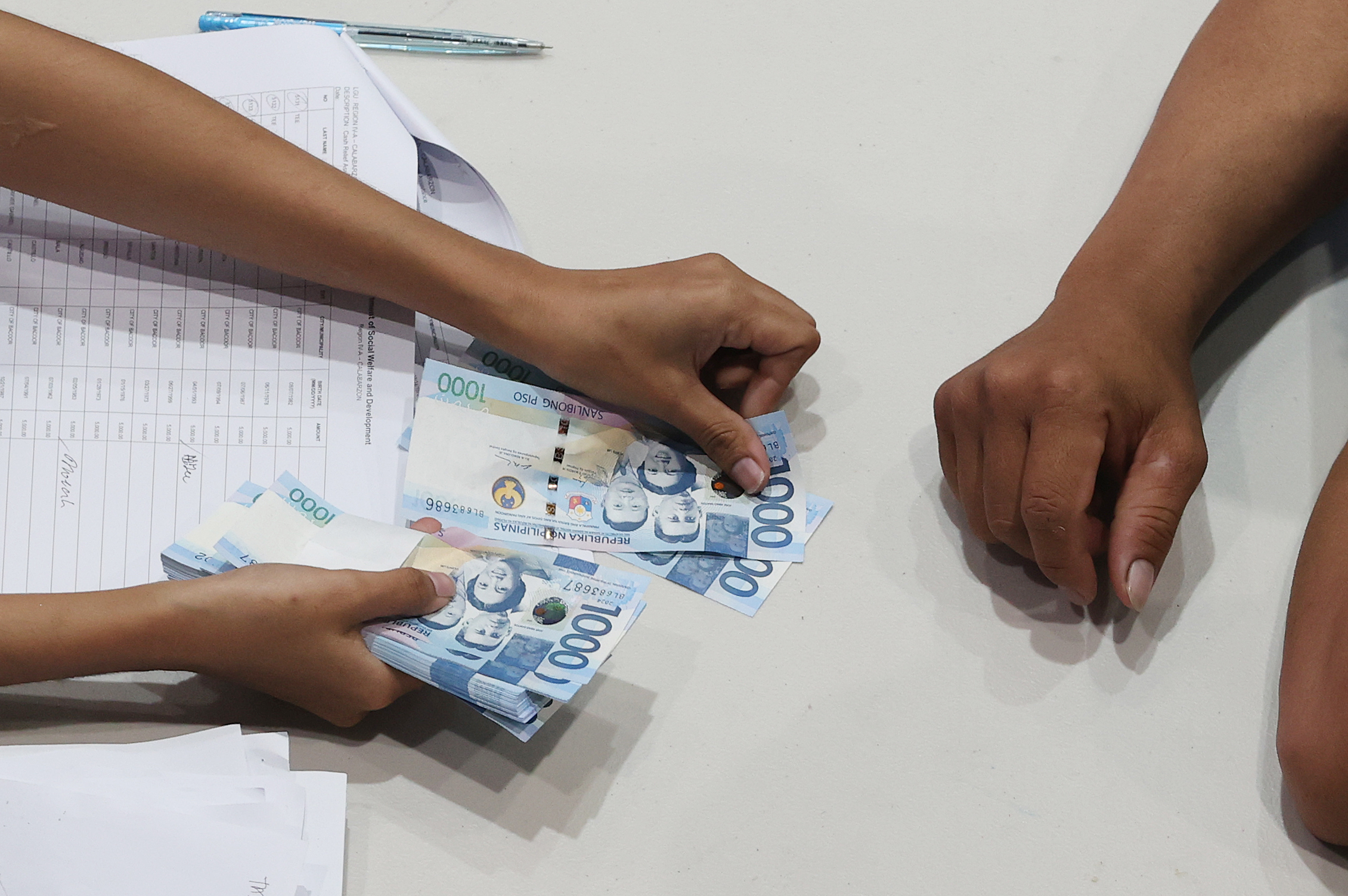
The Department of Social Welfare and Development (DSWD) is launching the expanded Unified Package for Livelihood, Industry, Food and Transport (Uplift) program, providing P2,000 cash aid to beneficiaries. This initiative aims to stabilize household finances amidst rising energy costs and global tensions.
This article requires PRO
This article is outside the free access window or is a special report. PRO unlocks it and the full archive.
Related articles
- UPLIFT Cash Aid Distribution Begins in Philippines; Beneficiaries to Use Funds for Necessities and Home Repairs Ahead of Rainy Season
Beneficiaries of the Philippine government's UPLIFT program have begun receiving cash aid, with recipients intending to use the funds for food, medicine, and home repairs in preparation for the rainy season. The aid amounts to P2,000, with beneficiaries pre-identified based on PSA data.
- DSWD: UPLIFT beneficiaries can send representatives to claim cash aid
The Department of Social Welfare and Development (DSWD) announced that beneficiaries of the Unified Package for Livelihood, Industry, Food, and Transport (UPLIFT) program can send representatives to claim their cash assistance, part of a broad economic support scheme targeting 7.5 million households nationwide.
- Philippines Begins Expanded UPLIFT Cash Aid Distribution Amid Rising Fuel Prices
The Philippines' Department of Social Welfare and Development (DSWD) announced the commencement of cash aid distribution under the expanded United Package for Livelihoods, Industry, Food, and Transport (UPLIFT) program starting Monday. The initiative targets 7.5 million households, extending support beyond the poorest to include low-earning workers and near-poor families, a measure aimed at mitigating the impact of rising fuel prices due to Middle East conflicts.
- DSWD Expands UPLIFT Program to Include 'Near-Poor' Taxpayers
The Department of Social Welfare and Development (DSWD) announced the expansion of the government's UPLIFT program to include not only the poorest but also low-income taxpayers who are 'near-poor.' This aims to support citizens affected by rising fuel prices due to the Middle East conflict.