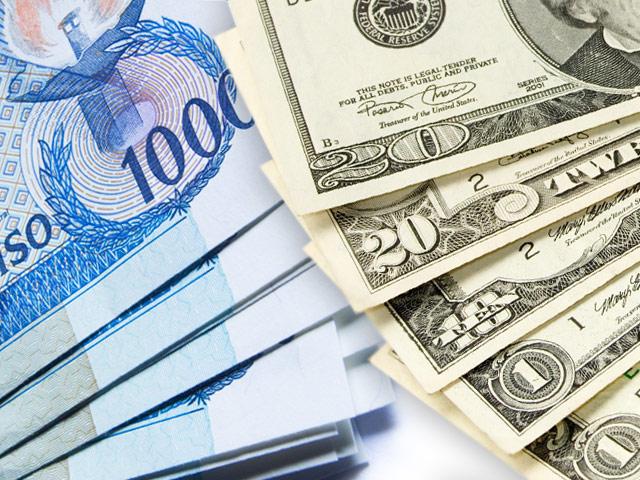
Philippine Peso Recovers as US Inflation Cools, Easing Downward Pressure
The Philippine peso rebounded against the US dollar after approaching its historic weakest level, as cooler US inflation data reduced the greenback's appeal. This eased downward pressure on the local currency.
The Philippine peso rebounded against the greenback on Wednesday, recovering ground after approaching its historic weakest level on the previous trading day. The recovery was spurred by cooler-than-expected US inflation data, which diminished the allure of the dollar and eased downward pressure on the local currency. The local currency gained 2.4 centavos to close at P61.686:$1 on Wednesday, a notable recovery from its near record-low of P61.71:$1 on Tuesday. Michael Ricafort, chief economist at Rizal Commercial Banking Corp., noted that the US dollar "corrected" against major global currencies following the release of US inflation figures. The US Bureau of Labor Statistics reported that the consumer price index decreased by 0.4% in June, a slowdown from the 0.5% increase in May. This softer inflation data has reduced the odds of a potential 0.25% Federal Reserve rate hike, pushing it further into the future, possibly to December 2026. In addition to external factors, domestic measures are also supporting the peso. Ricafort highlighted that the Bangko Sentral ng Pilipinas (BSP) has cautioned banks against using foreign exchange derivative transactions to profit from currency volatility. The central bank emphasized that banks should limit non-deliverable foreign exchange contracts to legitimate economic purposes, such as hedging their own investments. Transactions not supported by specific, identifiable underlying exposures and documentation, especially those for speculative positioning, directional peso exposure, or arbitrage-driven activities, are not permitted. This regulatory stance by the BSP is expected to contribute to the stabilization of the peso.
多角的分析
米国のインフレ率の鈍化は、米連邦準備制度理事会(FRB)による利上げ観測を後退させ、グローバルな資金フローにおいて米ドルへの投資妙味を低下させた。これは、フィリピンのような新興国市場からの資本流出を抑制し、ペソのような現地通貨への資金流入を促す要因となる。BSPによる外国為替デリバティブ取引への規制強化は、投機的なペソ売りを抑制し、為替レートの急激な変動リスクを低減させる効果が期待される。これは、インフレ抑制と金融安定化を両立させようとする中央銀行の姿勢を示しており、経済の安定化に寄与するだろう。
米国のインフレ鈍化は、FRBの金融引き締めサイクルの終焉が近づいている可能性を示唆し、リスク資産への投資意欲を高める可能性がある。フィリピンペソの回復は、投資家にとって、為替リスクの軽減と、フィリピン経済への投資に対する安心感につながる。BSPによる投機的な為替取引への規制は、市場の透明性を高め、より健全な投資環境を整備する上でプラスに評価されるだろう。ただし、グローバルな金利動向や地政学的リスクなど、外部要因の影響は依然として注視する必要がある。
フィリピンペソの下落は、輸入物価の上昇を通じて国内のインフレを悪化させ、特に低所得者層の購買力を低下させる。今回のペソ回復は、輸入コストの抑制に繋がり、物価安定への期待を高める。BSPによる金融市場の安定化に向けた取り組みは、市民の経済生活への不安を軽減する一助となる。しかし、為替レートの変動は、海外からの送金に依存する多くのフィリピン人家族の生活にも影響を与えるため、継続的な安定が求められる。
米国のインフレ率の鈍化は、フィリピンペソの対ドルでの価値下落に一時的な歯止めをかけた。これは、輸入物資の価格上昇を抑え、国内のインフレ圧力を緩和する可能性があり、日々の生活必需品の価格に影響を与える。特に、海外で働くフィリピン人労働者(OFW)からの送金は、ペソ安の際に価値が増加するが、ペソ高は送金のドル換算価値を減少させるため、OFWとその家族の家計に複雑な影響を与える。BSPによる金融市場の健全性維持に向けた動きは、市民の経済的な安心感に間接的に貢献すると考えられる。
背景・歴史的文脈
フィリピンペソは、米ドルに対して歴史的に変動性が高い通貨の一つである。特に、米国の金融政策(利上げ・利下げ)、国際的な原油価格の変動、そして国内のインフレ率や貿易収支が為替レートに大きな影響を与える。2023年後半から2024年初頭にかけて、米国でのインフレ再燃懸念からFRBの利上げ長期化観測が強まり、米ドルが買われたことで、多くの新興国通貨と同様にペソも下落圧力を受けていた。BSPは、為替市場の安定化のため、過去にも投機的な取引に対する監視を強化する措置を講じてきた。今回の措置は、こうした過去の経験を踏まえ、金融市場の健全性を維持しようとする継続的な取り組みの一環である。
原文ソース
GMA Money Philippines