Northern Vietnam Continues to Experience Thunderstorms Post-Typhoon Maysak, Weather Forecast Across Country
Following the dissipation of Typhoon Maysak, northern Vietnam continues to experience thunderstorms due to a trough of low pressure. Central and southern regions are expected to have sunny days with evening and nighttime showers. Nationwide average temperatures in July are forecast to be higher than usual, with rainfall exceeding the average, particularly in the north and northern central regions.
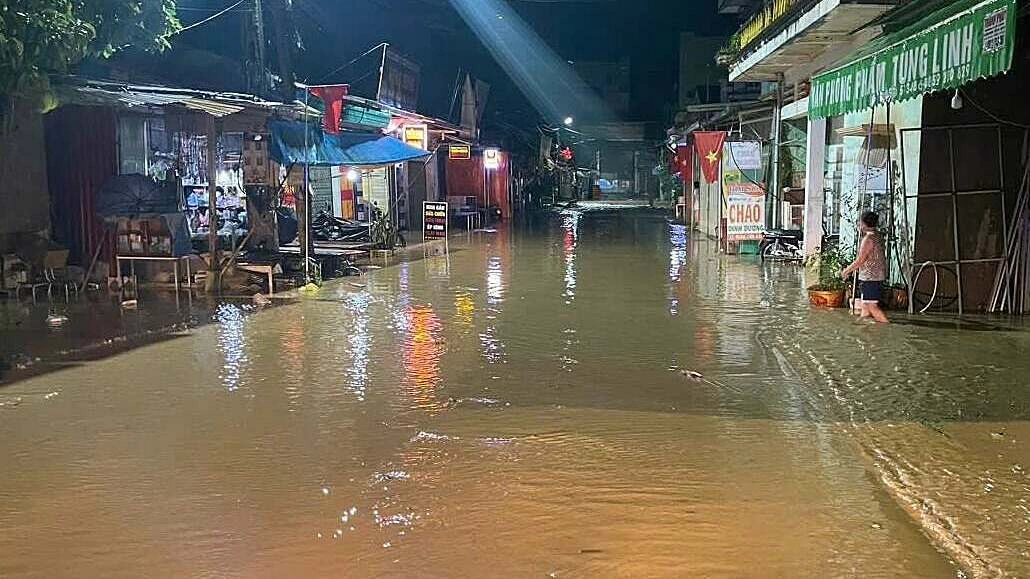
Following the dissipation of Typhoon Maysak, northern Vietnam continues to experience thunderstorms due to a trough of low pressure. Meanwhile, central and southern regions are expected to have sunny days with evening and nighttime showers. The National Center for Hydro-Meteorological Forecasting reported that Typhoon Maysak dissipated at noon yesterday, with thunderstorms predominantly occurring in the midland and mountainous areas of the North, especially in the evenings and at night. These rains have brought pleasant temperatures to the North, with highs reaching 32-34 degrees Celsius, and no heatwaves have been observed yet. According to US-based Accuweather, Hanoi's temperature in the coming days is forecast to be around 26-33 degrees Celsius. Higher elevations above 1,500 meters, such as Sa Pa in Lao Cai province, will see temperatures between 18-25 degrees Celsius. Local flooding occurred in Ha Lang commune, Cao Bang province, on the evening of July 5th. Photo: Cao Bang Provincial Police. In the central region, rain is expected to be prevalent from now until the end of the week, particularly in the afternoons and evenings in areas from Thanh Hoa to Quang Tri. Daytime weather will be sunny. Regions from Hue to the South Central Coast will experience less rain, with sunny and dry conditions, and highs reaching 33-35 degrees Celsius, showing no signs of widespread heatwaves. The Southwest monsoon will maintain moderate intensity in the Central Highlands and Southern regions. From now until around July 10th, sunny weather is expected, with scattered showers and thunderstorms in the late afternoons and evenings. From around July 12th, as the Southwest monsoon strengthens, the range and intensity of rain and thunderstorms will increase, leading to heavy rainfall in many areas. In the coming days, the highest temperatures in the Central Highlands are forecast to range from 29-32 degrees Celsius, while in the South, they will generally be between 33-34 degrees Celsius. Throughout July, the average temperature nationwide is predicted to be 0.5 to 1 degree Celsius higher than the long-term average. Total rainfall is expected to be close to the long-term average, with an increase of 15-30% above the average in the Northern region and from Thanh Hoa to Ha Tinh province. Meteorological agencies predict that the Northern and Central regions will experience more heatwave days, with the number of hot days potentially exceeding the long-term average. Widespread heavy rainfall is mainly expected in the Northern region and from Thanh Hoa to Ha Tinh province.
多角的分析
台風メーサーク通過後の気象状況は、農業生産に直接的な影響を与える。特に北部での雷雨は、収穫期を迎える作物や植え付け時期の農作物に被害をもたらす可能性がある。これにより、食料価格の変動や農産物輸出への影響が懸念される。また、インフラへの被害が発生した場合、復旧コストや物流の遅延が経済活動の足かせとなる可能性がある。ベトナム経済は農業部門が依然として重要であり、気象変動への対応能力が問われる。
投資家にとって、この気象情報は、特に農業関連企業やインフラ関連企業への投資判断に影響を与える。北部での継続的な降雨は、農産物の収穫量や品質の低下を通じて、関連企業の収益見通しを下方修正する要因となり得る。また、インフラ被害が発生した場合、復旧工事に関連する建設セクターには一時的な機会が生まれる可能性もあるが、全体としては不確実性を高める要因となる。長期的には、気候変動への適応能力を持つ企業への投資がより重要になるだろう。
北部の雷雨は、特に農村部や低地の住民の生活に直接的な影響を与える。局地的な洪水は、住宅の損壊、農地の浸水、交通網の寸断を引き起こし、住民の生活基盤を揺るがす。特にカオバン省ハラン県での洪水発生は、インフラ整備の遅れや、気候変動による異常気象への脆弱性を示唆している。また、気温の上昇傾向は、都市部での熱中症リスクを高める可能性があり、公衆衛生上の課題となる。日照不足や降雨の増加は、人々の日常的な活動や健康にも影響を及ぼす。
北部で発生している雷雨は、農作物の収穫や植え付けに影響を及ぼすため、農家にとっては生計に直結する問題です。洪水の発生は、家屋や農地への被害をもたらし、生活再建への不安を増大させます。また、気温が平年より高い予測は、特に都市部での生活をより暑く、不快なものにする可能性があります。日々の天気予報は、人々の外出計画や屋外での活動に影響を与えるため、注意深い情報収集が求められます。
背景・歴史的文脈
ベトナムは、熱帯モンスーン気候に属し、毎年、特に夏から秋にかけて台風や豪雨の影響を受けやすい。2020年も、台風メーサークを含む複数の台風がベトナムに接近・上陸し、甚大な被害をもたらした。これらの気象災害は、ベトナムの主要産業である農業に大きな打撃を与え、インフラへの被害も深刻化させる。ベトナム政府は、気候変動への適応策として、インフラ整備の強化や早期警報システムの改善、災害復旧体制の強化などを進めているが、異常気象の頻発化・激甚化により、その対応は常に課題となっている。特に北部地域は、地形的な要因もあり、豪雨による洪水や土砂災害のリスクが高い。
原文ソース
VnExpress