Psychologists Urge Stronger School Mental Health Systems
Health
2026年7月7日
5
Inquirer NewsInfo

Psychologists Urge Stronger School Mental Health Systems

AI サマリー

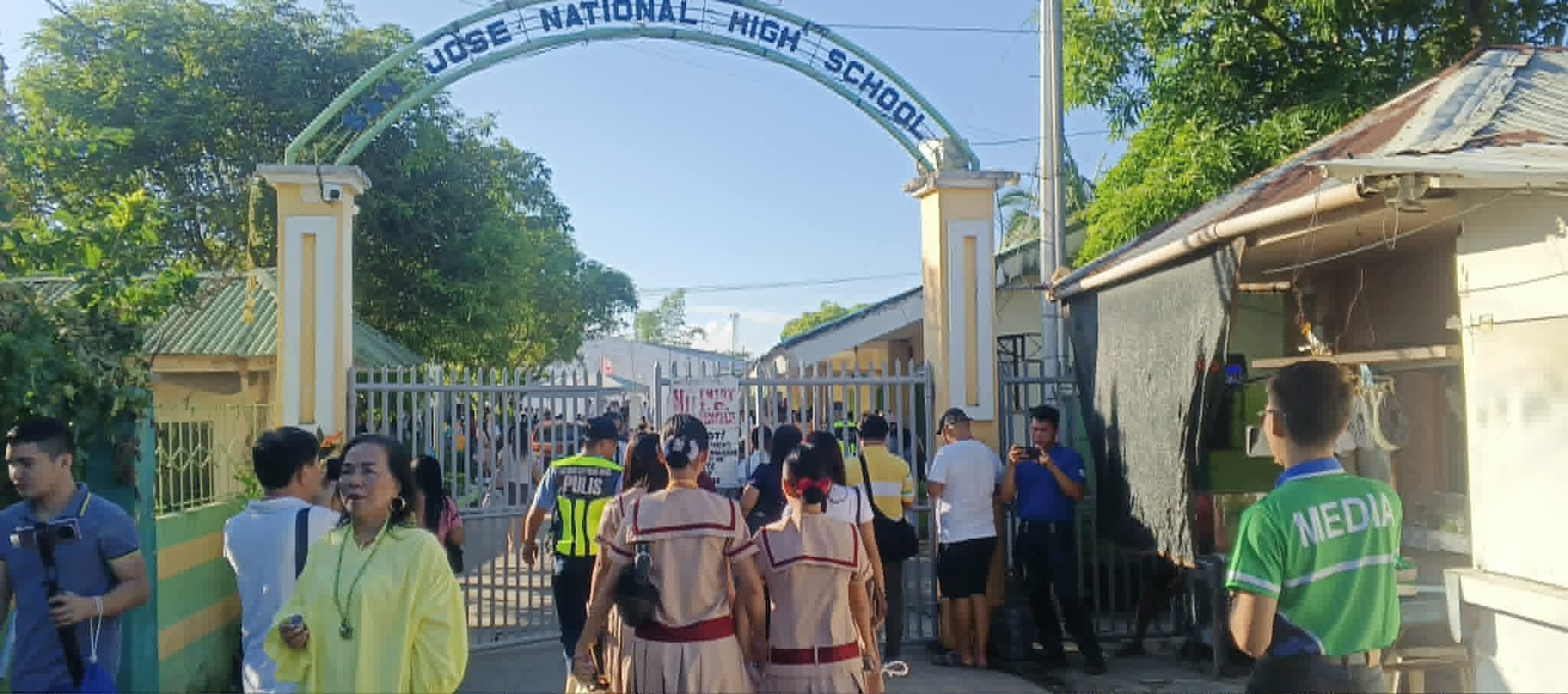
Following a school shooting in Tacloban City, the Psychological Association of the Philippines (PAP) urged schools, families, communities, and policymakers to adopt a coordinated, long-term approach to prevent school violence. They called for increased access to mental health professionals and collaboration among child welfare institutions.

MANILA, Philippines — The Psychological Association of the Philippines (PAP) on Monday urged schools, families, communities, and policymakers to adopt a coordinated and long-term approach to prevent school violence, noting that safety in educational institutions cannot be achieved through isolated measures alone. In a statement released following the school shooting in Tacloban City and the subsequent incidents of school violence and crimes involving minors, PAP called for stronger school mental health systems, increased access to qualified mental health professionals, and collaborative efforts among institutions involved in child welfare and protection. “Preventing school violence is therefore not the responsibility of schools alone. It requires sustained collaboration across the relationships, environments, and systems that shape children’s and adolescents’ lives,” said PAP, the national professional organization representing psychologists and other members of the psychology profession in the country. “A shared and comprehensive approach strengthens protection, responds to concerns early, coordinates support when needs become more significant, and creates environments in which young people can experience safety,” it added. According to PAP, schools should strengthen comprehensive mental health systems that go beyond crisis response and include prevention, early intervention, and access to specialized care. It also recommended promoting psychologically safe and inclusive learning environments, mental health literacy, social-emotional learning, anti-bullying initiatives, and programs that encourage students to seek help when needed. READ: Docs’ prescription: Keep kids off social media For students showing early signs of emotional, behavioral, or interpersonal difficulties, schools should provide counseling, mentoring, and skills-based interventions before concerns escalate, PAP said. It added that students facing more serious psychological distress may require multidisciplinary support that includes assessments, treatment, family interventions, and referrals to specialized services. The group also underscored the need for educational institutions to employ qualified professionals, including guidance counselors, psychologists, social workers, and child protection specialists, to ensure that students receive sustained and timely support. According to PAP, schools should avoid offering assistance only after problems become severe and instead establish systems capable of identifying and addressing concerns at an earlier stage. READ: Gov’t, civil society groups split on reviewing juvenile justice law Beyond the school setting, the organization called for stronger partnerships among schools, families, communities, mental health professionals, and child protection agencies. It also urged adults — including parents, educators, leaders, and public figures — to model empathy, nonviolence, respectful communication, and healthy ways of resolving conflict. PAP also recommended promoting responsible digital citizenship, media literacy, and safe online engagement among young people, alongside responsible firearm ownership and secure firearm storage practices in households with children and adolescents. It said public reactions to incidents involving children and adolescents should remain guided by scientific evidence rather than speculation or simplistic explanations. “Accountability, healing, rehabilitation, and prevention are not competing goals, but complementary parts of a comprehensive response to school violence,” PAP added. /cb

多角的分析

経済的影響

学校におけるメンタルヘルス支援の強化は、長期的に見て教育の質の向上と、将来の労働力となる若者の生産性向上に寄ちます。しかし、短期的な財政負担は教育機関や政府にとって課題となる可能性があります。特に、資格を持つ専門家の雇用や研修には、相応の予算措置が求められます。これは、フィリピン経済の持続的な成長にとって、人的資本への投資という観点から重要です。

投資家心理

学校での暴力やメンタルヘルス問題の増加は、教育関連サービスやメンタルヘルスケアを提供する企業の成長機会を示唆します。投資家は、学校向けのカウンセリングサービス、教育テクノロジー(EdTech)を用いたメンタルヘルス支援プラットフォーム、児童保護関連のコンサルティングなどに注目する可能性があります。ただし、公的資金の動向や規制の変化に注意が必要です。

社会的影響

タクラバン市での学校銃撃事件は、フィリピン社会における若者のメンタルヘルス問題の深刻さを浮き彫りにしました。PAPの提言は、学校現場だけでなく、家庭や地域社会全体が、子供たちの心の健康を支える責任を共有すべきであることを示唆しています。特に、SNSの普及に伴うオンラインでのいじめや情報過多といった新たな課題への対応も求められており、社会全体での意識改革と具体的な支援体制の構築が急務です。

市民の声

今回の提言は、多くの保護者や教育関係者にとって、学校での子供たちの安全と心の健康に対する不安を軽減する一歩となる可能性があります。しかし、提言の実行には、学校現場の負担増、専門家の不足、そして家庭や地域社会の協力体制の構築といった課題が伴います。特に、地方や経済的に困難な状況にある家庭では、専門的な支援へのアクセスが限られる可能性があり、公的な支援の拡充が期待されます。

背景・歴史的文脈

フィリピンでは、近年、若年層のメンタルヘルス問題や学校での暴力事件が社会的な関心事となっている。特に、SNSの普及による影響や、経済格差がもたらすストレスなどが背景にあると指摘されている。2023年10月には、タクラバン市で学校での銃撃事件が発生し、これが今回のPAPの提言を直接的に引き起こす契機となった。過去にも、児童保護や青少年犯罪に関する法改正の議論は行われてきたが、現場レベルでの支援体制の不足が課題として残っていた。今回の提言は、これらの課題に対し、より包括的かつ連携したアプローチの必要性を訴えるものである。

原文ソース

Inquirer NewsInfo

原文を読む