New US Tariff on Philippine Goods Sparks Business Concerns
Economy
2026年7月28日
5
Inquirer Business

General articles are free for 24 hours after publish.

New US Tariff on Philippine Goods Sparks Business Concerns

Share
AI Summary

The US has raised tariffs on Philippine imports from 10% to 12.5% citing concerns over forced labor. The Philippine Chamber of Commerce and Industry is calling for evidence and considering supply chain adjustments for affected industries.

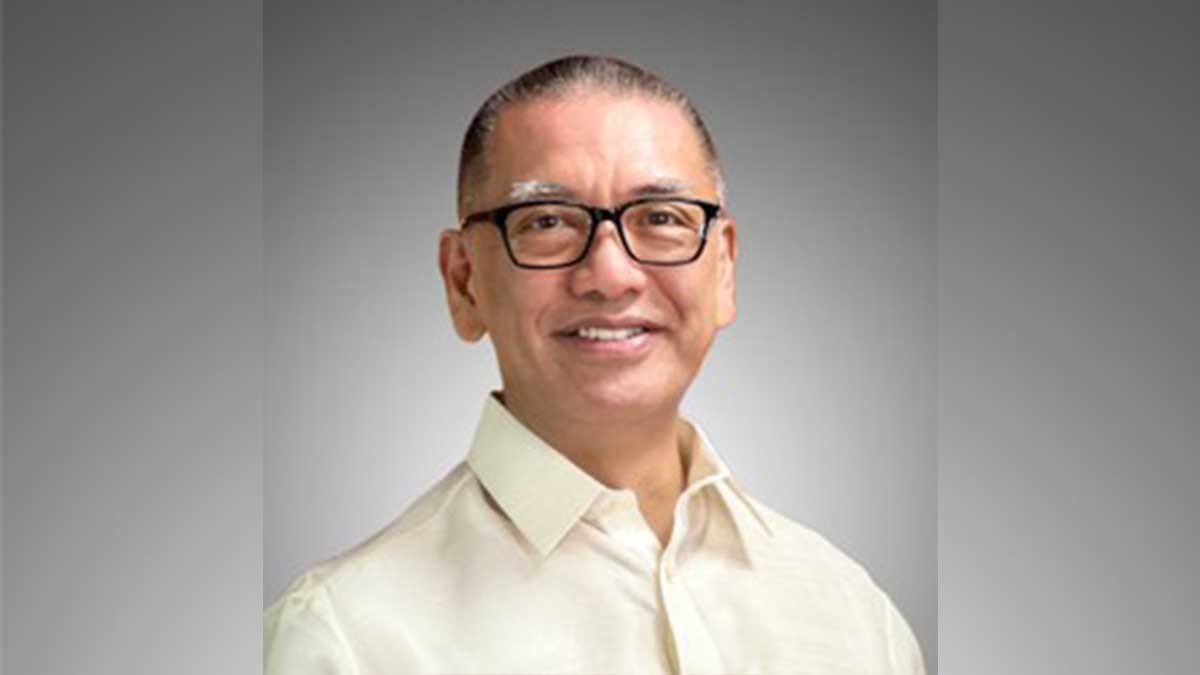
MANILA, Philippines — Philippine businesses are grappling with concerns over a new tariff imposed by the United States on imports, citing forced labor allegations. The measure has increased the duty on certain Philippine products from the previous 10 percent to 12.5 percent. Ferdinand Ferrer, president of the Philippine Chamber of Commerce and Industry (PCCI), described the additional tariff as "worrisome" but stressed that the latest levy should be supported by evidence. In its official findings in June, the Office of the United States Trade Representative (USTR) stated that "the Philippines has failed to impose and effectively enforce a forced-labor import prohibition." While the country did not have an explicit ban on such imports, government agencies recently formed an interagency committee tasked with investigating the entry of products suspected of being made with forced labor. "There's a lot of vagueness," Ferrer commented, indicating that the PCCI will identify products with suspected materials sourced from forced labor. The Department of Trade and Industry previously stated that the additional tariff, which Washington imposed on 60 of its largest trading partners over forced-labor concerns, would affect Philippine products made by "labor-intensive" industries such as leather and travel goods, apparel, footwear, and toys. Overall, only 34.28 percent of Philippine exports to the United States—or $6.25 billion worth of goods—will be covered by the new tariff. Ferrer anticipates that industries subject to the higher duty would be placed "slightly at a disadvantage." Should evidence confirm the use of inputs linked to forced labor, affected manufacturers would be expected to diversify their sources. While the higher tariff could weaken the competitiveness of some Philippine products, Ferrer noted that several neighboring economies could face even steeper US duties as they remain under a separate USTR investigation into structural excess capacity. The Philippines was not included in that probe. However, Ferrer expressed concern that gaining an advantage because competing economies face higher tariffs would leave global trade on an uneven footing. "We do not want that type of advantage. We do not want that type of competition," he added. "We should compete on our strength, our workmanship, our cost. Not because of tariffs and all that."

0

Original source

Inquirer Business

原文を読む