Northern Vietnam Devastated by Torrential Rains; Floods and Landslides Disrupt Infrastructure, Impacting Crops and Livestock
Environment
2026年7月11日
5
VnExpress
Relations
🇻🇳Vietnam🇹🇭Thailand🇯🇵Japan

Northern Vietnam Devastated by Torrential Rains; Floods and Landslides Disrupt Infrastructure, Impacting Crops and Livestock

AI サマリー

Torrential rains in early July have caused widespread flooding and landslides in Vietnam's northern provinces, including Son La, Lai Chau, and Thai Nguyen. The disaster has disrupted transportation networks, severely impacting residents' lives and causing damage to crops and livestock.

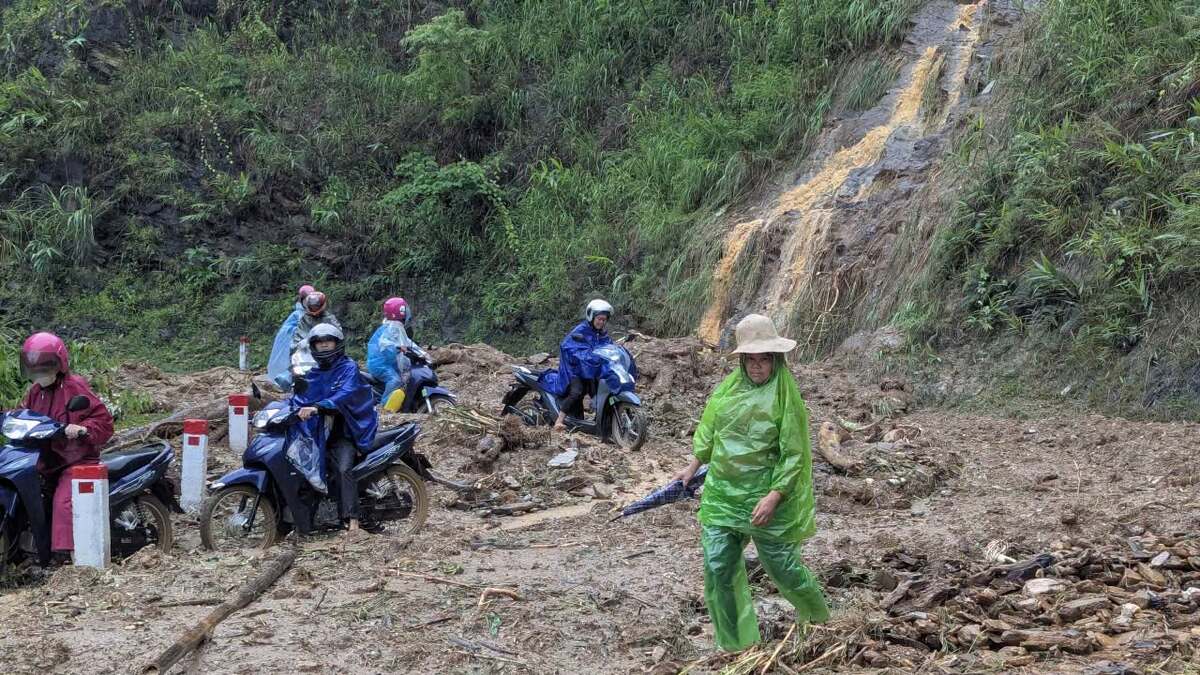
Torrential rains in northern Vietnam have caused severe damage, with floods and landslides disrupting transportation networks and impacting residents' lives. The downpours, which began on July 8, have led to widespread destruction in provinces including Son La, Lai Chau, and Thai Nguyen, resulting in damaged homes, agricultural losses, and livestock deaths. In Muong La district, Son La province, floodwaters surged onto roads on the morning of July 11, inundating homes along the route. The district recorded over 240 mm of rainfall in the preceding 24 hours. Landslides on National Highway 279D and other local roads in Muong La district, Son La province, caused temporary traffic blockages between July 9 and 10. Approximately 90 personnel from the police, fire services, and local police were mobilized to assist residents with property relocation and mud removal from homes. For the past week, northern Vietnam has experienced continuous rainfall. Many areas in Lai Chau, Dien Bien, Son La, and Lao Cai provinces have received 100-200 mm of rain, with some locations like Hua Trai (Son La) recording over 511 mm, and Muong Trai (Son La) over 479 mm, marking record-breaking downpours. In Chieng Lao commune, Son La province, severe landslides on July 9-10 cut off roads. In Ngoc Chien commune, flash floods on July 8 killed tens of tons of cold-water fish, causing an estimated VND 4 billion (approximately USD 160,000) in losses for local fish farmers. Another cooperative reported losses of approximately 9,000 sturgeon fry and 10,000 commercial sturgeon, valued at VND 880 million (approximately USD 35,000). In Lai Chau province, heavy overnight rain caused a landslide on National Highway 279 in Muong Than commune, stranding dozens of vehicles. Local police distributed bread, milk, and drinking water to stranded residents. Typhoon-like conditions have also affected Thai Nguyen province, with widespread damage reported. So far, the heavy rains have resulted in 4 houses being completely destroyed, 145 damaged, 49 evacuated due to landslide risks, and 71 affected by flooding and landslides. Additionally, 684 hectares of rice and other crops have been submerged or damaged, and 26 livestock and 350 poultry have died or been washed away. Landslides and flooding occurred at 17 locations on National Highways 6, 4H, 12, and 32, and at 77 locations on provincial roads, causing temporary traffic disruptions, though most routes are now clear. 157 meters of irrigation canals have also been damaged. In Phu Dinh commune, Thai Nguyen province, a 12-year-old boy was swept away by floodwaters on July 9 and later found deceased after extensive search efforts. The National Center for Hydro-Meteorological Forecasting predicts that northern Vietnam will continue to experience widespread rain and thunderstorms from July 11 to 18, with localized areas receiving over 100 mm of rain. In Tua Thang commune, Dien Bien province, two households were relocated to safety due to high landslide risks. The province also reported damage to 3.41 hectares of aquaculture. Source: VnExpress

多角的分析

経済的影響

今回の豪雨による経済的影響は、インフラ被害、農業・漁業への直接的損害、そして復旧・復興にかかるコストとして顕在化する。特に、国道や県道の寸断は物流コストの上昇を招き、地域経済の停滞に繋がる可能性がある。また、養殖業への壊滅的な被害は、地域経済の重要な柱を揺るがす。ベトナム経済は近年、製造業や輸出に牽引され成長を続けているが、農業・漁業といった一次産業も依然として多くの国民の生活基盤であり、その脆弱性が露呈した形だ。今後、政府によるインフラ復旧への投資や、被災農家・漁業者への支援策が、経済回復の鍵となるだろう。

投資家心理

投資家にとって、今回の自然災害は短期的なリスク要因となる。インフラの損傷はサプライチェーンの混乱を招き、特定の産業(例:農業関連、建設業)への投資リスクを高める可能性がある。しかし、長期的には、インフラ復旧や防災・減災対策への投資機会も生まれる。ベトナム政府は、気候変動への適応策として、より強靭なインフラ開発に注力する可能性があり、これに関連するセクターへの投資は注目される。また、保険業界は、自然災害保険の需要増加という恩恵を受けるかもしれない。

社会的影響

豪雨による被害は、特に地方の脆弱なコミュニティに深刻な打撃を与えている。家屋の全壊・損壊、避難を余儀なくされた住民は、生活基盤を失い、精神的な苦痛も大きい。子供や高齢者など、災害弱者への支援は喫緊の課題である。また、今回のような自然災害は、地域社会の連帯感を試す側面もある。被災者への支援活動は、社会的な結束を強める機会ともなりうるが、一方で、復旧の遅れや支援の偏りは、社会的な不満を生む可能性も否定できない。特に、地方におけるインフラの老朽化や、気候変動への適応策の遅れは、公共の課題としてより一層の議論を呼ぶだろう。

市民の声

被災した住民にとって、最も直接的な影響は生活の再建である。家を失い、財産を流された人々は、避難所での生活や、泥土に覆われた家屋の片付けに追われている。食料や水、衛生用品の不足も懸念される。また、子供たちは学校に通えなくなり、教育機会が失われる。長引く水害は、健康被害(感染症など)のリスクも高める。政府や支援団体からの迅速かつ十分な援助が、住民の生活再建にとって不可欠となる。特に、被災地のインフラ復旧の遅れは、日常の移動や経済活動を困難にし、住民の不安を増大させる。

背景・歴史的文脈

ベトナム北部では、夏季にモンスーンの影響で雨季となり、しばしば集中豪雨や洪水が発生する。特に山岳地帯では、地形的な要因から土砂崩れのリスクが高い。過去にも、2017年の台風ダムレイによる洪水や、2020年の連続豪雨では、甚大な被害が発生している。これらの災害は、ベトナムの経済成長に伴う急速な都市化やインフラ開発が進む一方で、自然災害への対応能力、特に地方部における防災・減災対策が追いついていない実情を示唆している。気候変動による異常気象の頻発化は、今後、ベトナムにおける自然災害のリスクをさらに高める要因として、政府の喫緊の課題となっている。

原文ソース

VnExpress

原文を読む