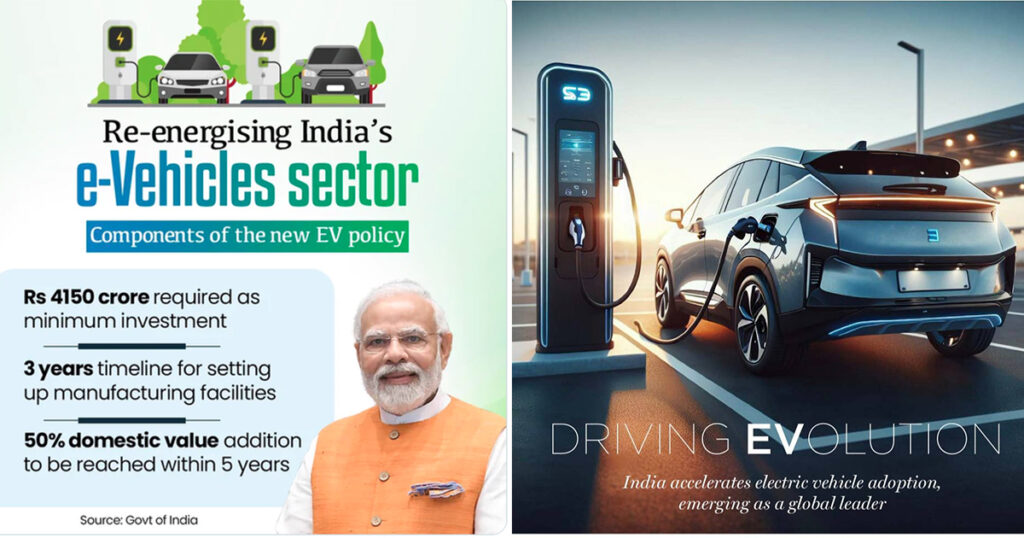
Cambodia Accelerates Green Transport Drive Learning from India's EV Expansion
India's rapid EV growth, fueled by government incentives and infrastructure investment, offers lessons for Cambodia. The Kingdom aims for 30,000 EVs by 2030, enhancing charging infrastructure and attracting EV manufacturing investments, mirroring India's successful approach to green transport.
This article requires PRO
This article is outside the free access window or is a special report. PRO unlocks it and the full archive.
Related articles
- Kompoul District Authorities Repair Damaged Roads to Enhance Citizen Safety and Mobility
Kompoul District authorities in Phnom Penh have undertaken repairs on three road sections to improve citizen mobility and safety. The initiative follows directives from Prime Minister Hun Sen on infrastructure maintenance.
- Phnom Penh Governor Meets Ho Chi Minh City Vice Chairman, Discusses Cambodia-Vietnam Friendship School Project
Phnom Penh Governor Khuong Sreng met with Tran Van Bay, Vice Chairman of the Ho Chi Minh City People's Committee, during a visit to Vietnam. The two cities signed an MOU for the construction of the 'Cambodia-Vietnam Friendship School,' reaffirming their cooperation. Ho Chi Minh City reported on its economic and tourism development while also acknowledging challenges such as traffic congestion and environmental issues.
- Cambodia and Vietnam Sign $8 Million Deal for Friendship School Renovation
Cambodia and Vietnam have signed an $8 million agreement to expand and renovate the Cambodia-Vietnam Friendship School in Phnom Penh. Vietnam will fully fund the project, which includes the construction of new classrooms and facilities.
- Ratanakiri Temple Faces Construction Material Shortage Amid Orphanage Plans
A temple in Cambodia's Ratanakiri province is facing a shortage of construction materials for its new monk residences. The temple also plans to establish a Buddhist school to support orphaned children, but funding difficulties may delay these initiatives.