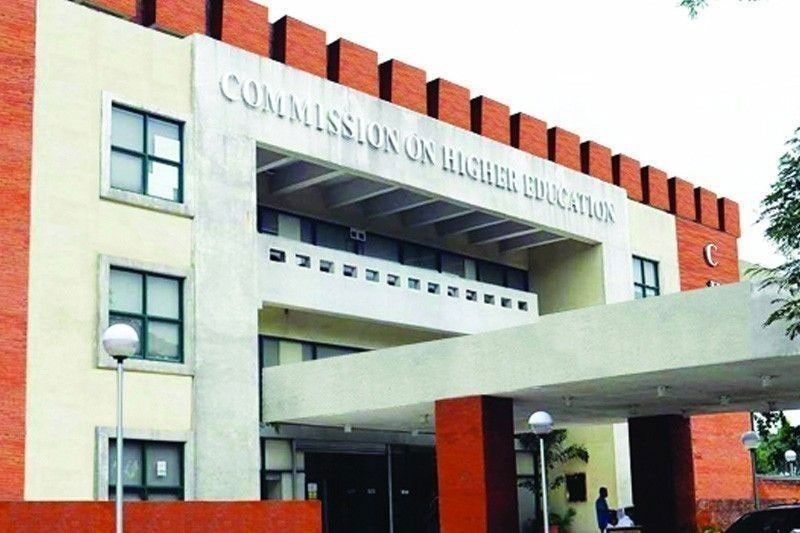
P12.31 Billion Allocated for Free College Program Funding Gaps
The Commission on Higher Education (CHED) and the Department of Budget and Management (DBM) have issued guidelines for the release of P12.31 billion to address funding deficiencies in the country's free college program. This allocation will support students in state universities and colleges (SUCs) for academic years 2022-2025.
MANILA, Philippines — The Commission on Higher Education (CHED) and Department of Budget and Management (DBM) have issued guidelines for the release of P12.31 billion to plug funding deficiencies in the government’s free college program across state universities and colleges (SUCs). Under Joint Memorandum Circular 2026-01, the agencies said the combined fund aims to cover funding deficiencies for SUCs’ free college program for Academic Years 2022-2023, 2023-2024 and 2024-2025. These will be drawn from the General Appropriations Act of 2026 and unused balances of the Higher Education Development Fund. Of the total, P7.82 billion will come from unused HEDF balances from previous years and P4.49 billion will be sourced from the Universal Access to Quality Tertiary Education appropriations. The circular provides guidelines that seek to establish a uniform process for SUCs in billing their free higher education deficiencies, aiming to “ensure the timely and transparent release of allocated funds.” Only SUCs with complete submission of the required documentary requirements will be included in the Special Budget Request, according to the DBM. The document also provided a computation of allocation based on the actual billings submitted by SUCs to DBM in previous years, net of payments made for free higher education deficiency in some SUCs last 2022 and subject to final evaluation and validation by CHED and the Unified Student Financial Assistance System for Tertiary Education Board. CHED Chairperson Shirley Agrupis and DBM acting Secretary Kim Robert de Leon signed the directive, which took effect immediately upon publication. This move is part of the Philippine government's policy to promote equal access to education, ensuring that students, especially those from less privileged backgrounds, can pursue higher education. In a country where remittances from Overseas Filipino Workers (OFWs) are a significant economic driver, investing in the domestic education of its youth is crucial for long-term economic development and social stability.
多角的分析
今回の123億ペソの追加配分は、フィリピン政府が無償高等教育プログラムの財政的持続可能性を確保しようとする努力の一環である。過去の学年度における財政不足を補填することで、学生の学習継続を支援し、高等教育へのアクセスを保証する。これは、国内の人的資本開発への投資であり、長期的な経済成長の基盤となる。特に、経済的に困難な家庭の学生が教育機会を得やすくなることは、所得格差の是正にも寄与すると考えられる。ただし、資金の効率的かつ透明性のある執行が、プログラムの成功の鍵となる。
このニュースは、フィリピンの教育セクターへの間接的な投資機会を示唆している。無償教育プログラムの安定的な資金供給は、高等教育機関の運営を安定させ、質の高い教育提供能力を高める可能性がある。これは、将来的に卒業生のスキルレベル向上や、国内産業の競争力強化に繋がるため、長期的な視点ではポジティブな要因となり得る。しかし、直接的な投資対象というよりは、フィリピンの人的資本への投資というマクロ経済的な文脈で捉えるべきである。
無償大学プログラムへの追加資金配分は、多くのフィリピン人学生、特に経済的に困難な状況にある家庭にとって、高等教育への道を拓く重要な一歩である。これにより、学費の負担が軽減され、より多くの若者が自身の能力を最大限に発揮する機会を得られる。例えば、マニラ首都圏の貧困地区に住む学生や、地方の経済的に厳しい家庭の学生が、大学進学を諦めずに済む可能性が高まる。これは、社会全体の教育水準向上と、将来的な社会経済的流動性の向上に貢献すると期待される。
今回の政府による123億ペソの追加予算配分は、多くの学生とその家族にとって朗報である。これまで学費の高さから進学を諦めざるを得なかった学生たちに、希望を与えるものだ。特に、地方の大学に通う学生や、経済的に厳しい家庭の学生にとっては、学費の心配なく勉学に励める環境が整うことは、将来への大きな一歩となる。ただし、予算が適切に執行され、本当に必要としている学生に行き渡るかが重要である。
背景・歴史的文脈
フィリピン政府は、高等教育へのアクセスを拡大し、国民の教育水準向上を図るため、2017年に「大学無償教育法(Universal Access to Quality Tertiary Education Act)」を制定した。この法律に基づき、国立大学・カレッジ(SUC)および認定された私立高等教育機関の学生は、学費を無償で受けることができる。しかし、このプログラムの実施には多額の財政的負担が伴い、過去には予算不足が指摘されてきた。今回の追加配分は、こうした財政的課題に対応し、プログラムの継続性を確保するための措置である。
原文ソース
Philstar Nation