SEC Expands Probe into Alleged False Reporting
Business
2026年7月10日
5
Bangkok Post

SEC Expands Probe into Alleged False Reporting

AI サマリー

Thailand's Securities and Exchange Commission (SEC) is broadening its investigation into whether false information was intentionally submitted to its electronic reporting system, potentially violating securities laws and aiming to enhance investor protection.

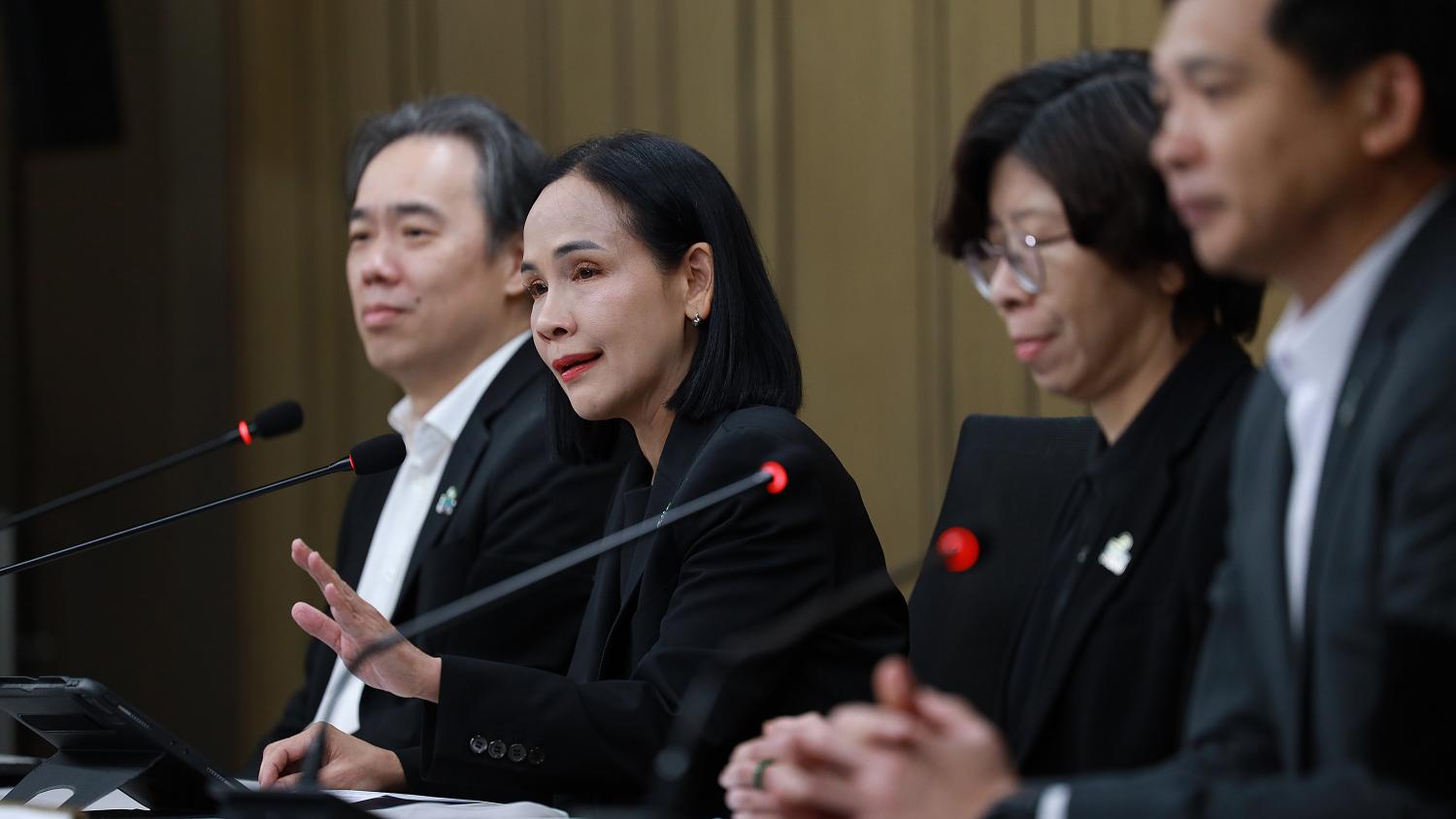
The Securities and Exchange Commission (SEC) is expanding its investigation into whether false information reports linked to Supaporn Phimpong were intentionally submitted to the electronic reporting system, a potential violation of securities law. SEC secretary-general Pornanong Budsaratragoon stated that a series of securities acquisition reports filed by Ms Supaporn have been removed from its disclosure system after the information was found to be inaccurate. An initial examination of seven controversial Form 246-2 filings covering six listed securities was completed. These reports, submitted on June 30 and July 2, were published via the SEC's self-reporting disclosure system before irregularities were detected. Following confirmation from the relevant listed companies that the reported transactions were inaccurate, the regulator removed all reports from the Form 246-2 system on July 8. The SEC found multiple discrepancies, including that the reporting person's name did not appear in shareholder registers, some securities cited in the filings did not exist during the reported period, and several reported acquisitions did not reflect actual transactions. Mrs Pornanong noted that in one case, a reported warrant exercise was found to be another person's convertible debenture conversion. The investigation began after a Form 246-2 published by the SEC system showed Ms Supaporn as having acquired shares of True on June 15, 2026, equivalent to 3.2174% of total voting rights, raising her reported holdings to 7.0992%. True stated some details of the reports may be inaccurate because it never offered preferred shares to the public. "The SEC is conducting a deeper investigation to determine whether the case constitutes an intentional submission of false information to the electronic reporting system," said Mrs Pornanong. Authorities are collecting additional evidence and requesting explanations from those involved before deciding whether further legal action is warranted. The probe also found the same individual submitted Form 59 reports despite not being a director, executive, or other person legally required to make such disclosures. Mrs Pornanong reiterated that the regulator is not under external pressure during the investigation, stating that the SEC has followed its established protocols and will continue to coordinate closely with all relevant agencies, welcoming feedback from all stakeholders to improve the system. Thawatchai Pittayasophon, deputy secretary-general of the SEC, said the filings were submitted through the regulator's disclosure platform under the internationally adopted self-reporting framework, in which filers certify the information they provide is complete, accurate, and truthful. After True, Major Cineplex Group, and four other listed companies denied the reported transactions, the SEC launched a verification process, contacted the filer and the companies concerned, flagged the reports to alert investors, and removed them once the inaccuracies were confirmed. Mr Thawatchai said the SEC does not verify every filing before publication because the disclosure system is designed to balance speed and transparency with post-submission verification, ensuring investors receive market information quickly. Requiring every filing to be fully certified before publication would significantly delay disclosures and reduce market efficiency. The SEC relies on a risk-based verification process, cross-checking reported information with listed companies, banks, and other third parties rather than solely on documents submitted by filers, which could potentially be falsified. Real-time verification is challenging because shareholder records maintained by the Thailand Securities Depository (TSD) are not updated instantly, meaning some transactions can only be verified after disclosure. The SEC is enhancing its verification procedures and back-office monitoring systems, including exploring closer integration with TSD data and improving technology to identify suspicious filings more quickly. The regulator is also coordinating with other authorities to investigate money trails and related parties where fraud is suspected. The move aims to strengthen investor protection while maintaining an appropriate balance between the speed of market disclosure and the accuracy of information released to the public.

多角的分析

経済的影響

今回のSECによる調査拡大は、タイの証券市場における情報開示の信頼性に対する懸念を高める可能性がある。虚偽報告が意図的であった場合、市場参加者の信頼が損なわれ、投資判断に影響を与えかねない。特に、自己報告システムに依存する現状では、迅速な情報開示と正確性のバランスが課題であり、今後のシステム改善や監視体制の強化が市場の健全な発展に不可欠となる。

投資家心理

投資家にとって、この件は市場の透明性と誠実性に対する信頼を揺るがす可能性がある。虚偽の証券取得報告は、株価操作やインサイダー取引につながるリスクを示唆しており、投資家はより慎重なデューデリジェンスを求められることになる。SECが迅速に調査を進め、厳格な措置を講じることで、投資家保護を強化し、市場への信頼を回復することが期待される。

社会的影響

今回の虚偽報告疑惑は、タイの証券市場における「自己報告」システムの脆弱性を露呈させた。市民、特に一般投資家は、提供される情報が正確であるという前提で投資判断を行っている。もしこの前提が崩れると、多くの市民が不当な損失を被るリスクにさらされる。SECがどのようにしてこの種の不正行為を防ぎ、市民の財産を守るための具体的な対策を講じるかが、社会的な関心事となるだろう。

市民の声

市民、特に一般投資家は、証券取引委員会の報告システムが正確で信頼できる情報を提供することを期待している。今回の件は、自分たちの投資が不確かな情報に基づいて行われるリスクがあることを示唆しており、不安を感じている。SECが迅速かつ透明性のある調査を行い、再発防止策を講じることで、市民の信頼を回復することが求められている。特に、地方の小規模投資家にとっては、正確な情報へのアクセスが限られているため、このような不正行為はより深刻な影響を与える可能性がある。

背景・歴史的文脈

タイの証券市場では、投資家保護と市場の効率性を両立させるため、自己報告制度を導入している。これは、提出者が情報の正確性を保証し、SECが迅速に情報を開示する仕組みである。しかし、過去にも同様の不正行為や情報開示の遅延が指摘されており、SECは常にそのバランスに苦慮してきた。今回の件は、自己報告システムの運用における潜在的なリスクが顕在化した事例と言える。

原文ソース

Bangkok Post

原文を読む