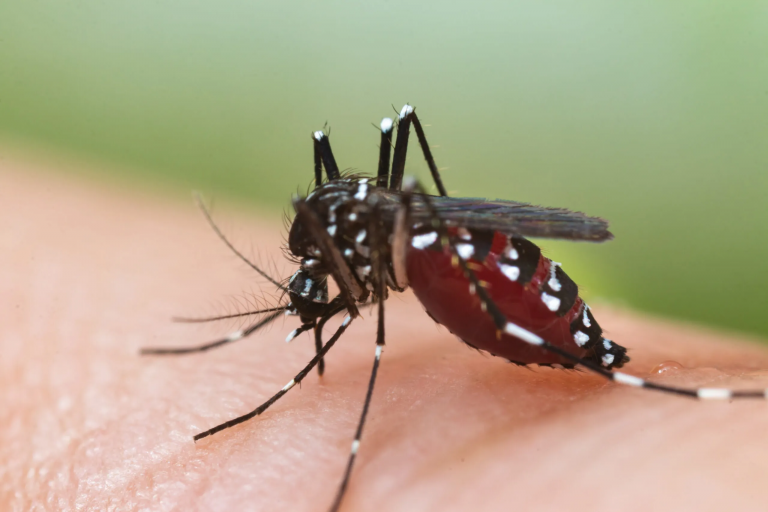
Cambodia Issues Dengue Fever Alert: High Fever as Key Symptom, Urging Immediate Medical Consultation
Cambodia's Ministry of Health has issued a dengue fever alert, highlighting sudden high fever (39-40°C) as a primary symptom. With increased mosquito breeding expected due to the rainy season and El Niño, the ministry urges prompt medical consultation and widespread preventive measures.
The Ministry of Health in Cambodia has issued a strong alert regarding the escalating risk of dengue fever transmission, particularly due to increased mosquito breeding during the rainy season, compounded by the influence of the El Niño phenomenon. The ministry emphasizes that sudden high fever, ranging from 39 to 40 degrees Celsius, is a primary symptom of the disease and urges immediate medical consultation for affected individuals. According to a directive issued on July 8th, the Ministry of Health is promoting widespread community participation in mosquito control efforts under the slogan, "Our family is a model because my house and my residence are free of mosquito larvae." This initiative encourages households to actively eliminate potential breeding sites for mosquitoes. Key recommendations include regularly changing and cleaning water in containers such as jars, tanks, flower pots, and buckets, or ensuring they are tightly covered. The use of larvicides in water storage areas is also advised. Furthermore, the directive calls for the proper disposal of discarded items that can collect water, including old tires, bottles, cans, coconut shells, and plastic containers, by burying, burning, or organizing them to prevent water accumulation. Construction site owners and workers are mandated to clean their sites, eliminate stagnant water, and store construction materials under cover to prevent water collection. This measure is crucial to eradicate mosquito breeding grounds and habitats within a 150-meter radius of construction sites, thereby preventing the spread of dengue fever to nearby residents. Business owners involved in activities such as selling used tires are instructed to manage discarded tires to prevent them from becoming water-collecting sites. This can be achieved by stacking them, covering them with tarpaulins or boards, filling them with old engine oil, or burying them. Alternatively, they can be stored under a roof. Beyond eliminating breeding sites, the ministry stresses the importance of clearing overgrown vegetation around homes to remove mosquito resting places. Maintaining cleanliness indoors, organizing clothes, and ensuring good ventilation and sunlight exposure are also recommended. Installing screens on windows and doors is advised to prevent mosquito entry. Individuals are encouraged to protect themselves by wearing long-sleeved shirts and long pants, along with socks, to cover most of their bodies. Light-colored clothing is suggested as darker colors may attract mosquitoes. The use of mosquito repellent sprays or lotions is deemed safe, even for pregnant women. Sleeping under a mosquito net, both at night and during the day, is strongly advised. Finally, the Ministry of Health has directed provincial and municipal health departments to collaborate with relevant authorities to conduct regular inspections of construction sites and other potential breeding grounds. The aim is to effectively implement mosquito reduction and prevention measures within their jurisdictions, thereby contributing to a decrease in dengue fever morbidity and mortality rates. Source: Kampuchea Thmey Local
多角的分析
デング熱の流行は、医療費の増加、労働生産性の低下、観光業への影響といった経済的損失をもたらす。特に、重症化した場合の長期的な治療や、感染拡大による社会活動の停滞は、カンボジア経済の回復力に影を落とす可能性がある。予防策への投資は、長期的に見れば経済的損失を抑制する上で不可欠である。
デング熱の流行は、短期的な投資環境に不確実性をもたらす可能性がある。特に、観光関連産業や、労働者の健康状態に依存する製造業などは、感染拡大による影響を受けやすい。しかし、保健衛生分野への投資や、感染症対策関連企業の成長機会と捉えることもできる。政府の迅速かつ効果的な対応が、投資家の信頼を維持する鍵となる。
デング熱の流行は、特に子供たちや高齢者など、抵抗力の弱い層に深刻な影響を与える。高熱や倦怠感は、学業や日常生活に支障をきたし、家庭に大きな負担を強いる。また、感染への不安から、人々の行動が制限され、社会的な交流が希薄になる可能性もある。蚊の繁殖源となる水たまりの除去は、地域住民の協力が不可欠であり、共同体意識の醸成にも繋がる。
雨季とエルニーニョ現象による気温上昇は、蚊の活動を活発化させ、デング熱のリスクを高める。特に、水たまりができやすい地域や、衛生環境が十分でない場所では、感染のリスクがさらに高まる。急な高熱は、デング熱の兆候である可能性が高く、早期の受診と適切な治療が、重症化を防ぐために極めて重要である。日頃からの予防策の徹底が、自身と家族の健康を守ることに繋がる。
背景・歴史的文脈
カンボジアでは、雨季(5月〜10月頃)に蚊の繁殖が活発化し、デング熱の流行が見られる。特に、都市部や地方の集落では、水たまりができやすい環境が蚊の発生源となりやすい。2023年には、エルニーニョ現象の影響で例年よりも高温多湿の状況が続き、蚊の活動が活発化したことが報告されている。過去のデング熱流行時には、子供たちの罹患率が高く、医療機関への負担が増大した事例がある。今回の保健省の発表は、こうした過去の経験と、エルニーニョ現象による気候変動リスクを踏まえた、予防的な措置であると考えられる。
原文ソース
Kampuchea Thmey Local