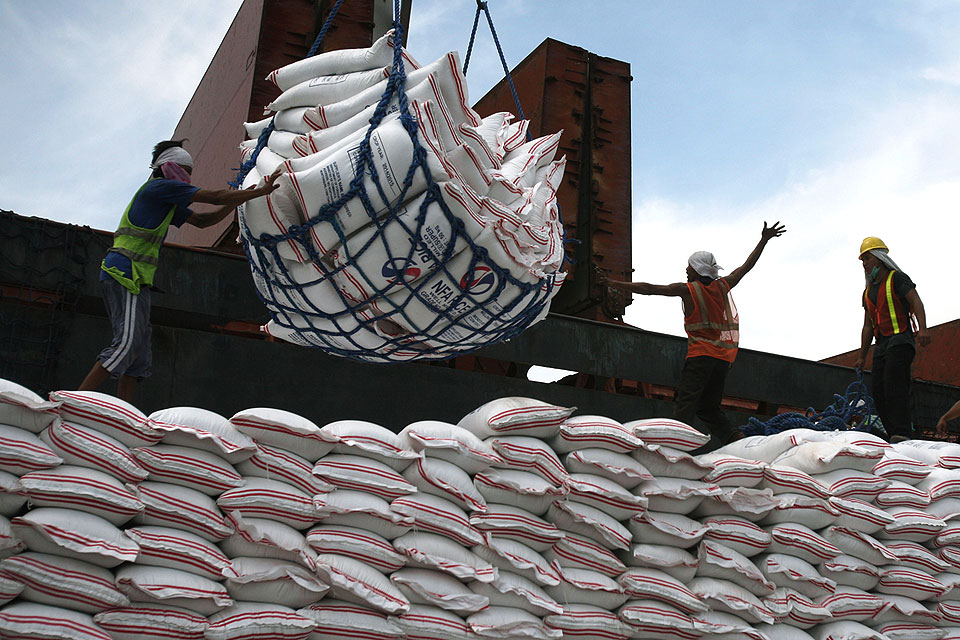
Philippines' DA Proposes 60-Day Extension of P50/Kilo Imported Rice Price Cap
The Philippines' Department of Agriculture (DA) has proposed a 60-day extension of the P50 per kilogram price cap on imported rice, which had expired, to protect consumers. This aims to stabilize prices until the main local harvest season begins.
The Department of Agriculture (DA) is pushing for another 60-day implementation of the P50-per-kilo price cap on imported rice, which already expired early last month, to protect consumers from sudden price spikes. In a chance interview with reporters on Wednesday, Agriculture Secretary Francisco Tiu Laurel said that the agency has recommended reviving the price ceiling to keep retail prices stable while local supply remains tight. The proposal will reinstate the policy when the initially imposed 30-day P50-per-kilo price cap on 5% broken imported rice already lapsed last June 13, 2026 as the government did not issue an immediate extension. It was on May 13, 2026 when President Ferdinand Marcos Jr. issued Executive Order 118, that imposed a P50-per-kilogram price cap on 5% broken imported rice nationwide for 30 days "to address unjustified price increases, prevent market abuse, and ensure the availability of affordable rice while maintaining market stability" in the midst of rising food costs triggered by the Middle East crisis. "We need two more months [of price cap] because there's no harvest right now," Tiu Laurel said. The Agriculture chief said the DA is expecting the situation to normalize by August and September as the main harvest season begins, which would bring in the majority of the country's local rice production. The steady flow of local supply is expected to stabilize the market and help control overall inflation through November, according to Tiu Laurel. Moreover, he said the DA is hoping the proposed fresh 60-day price cap implementation will serve as a vital safety net for Filipino consumers until the local harvest fully kicks in. —RF, GMA News
多角的分析
フィリピンにおける米の価格安定化は、国民の食料安全保障とインフレ抑制に直結する最重要課題である。今回の価格上限延長提案は、国内収穫期までの供給不足を補い、消費者の購買力を維持するための短期的な措置と言える。しかし、価格上限は生産者のインセンティブを損なう可能性や、密輸・闇市場の発生リスクも孕む。長期的な解決策としては、国内生産能力の向上、サプライチェーンの効率化、そして気候変動への耐性強化が不可欠である。輸入依存からの脱却と、国内生産への投資促進が、持続可能な食料価格の実現に向けた鍵となる。
輸入米への価格上限設定は、輸入業者や卸売業者にとって収益性の低下を意味する可能性がある。特に、海外での米価格が上昇している場合、国内での低価格販売は損失を招きかねない。投資家は、この価格上限措置がいつまで続くのか、そして国内生産への影響を注視する必要がある。価格上限が延長され、かつ輸入コストが増加するシナリオでは、米関連事業への投資は慎重になるだろう。一方で、価格安定化は消費者の購買力を維持し、全体的な経済活動を下支えする側面もあるため、マクロ経済の安定を重視する投資家にとっては、一定の安心材料となり得る。
米はフィリピンの国民食であり、その価格変動は一般家庭の家計に直接的な影響を与える。今回の価格上限延長提案は、特に低所得者層にとって、当面の食費負担を軽減する効果が期待される。しかし、価格上限が市場の需給バランスを歪め、品不足や品質の低下を招く可能性も懸念される。国民は、手頃な価格で安定的に米を入手できることを望む一方で、供給の安定性や食の安全も求めている。政府の政策決定は、これらの国民の期待と現実のバランスを取りながら行われる必要がある。地方の農村部では、国内収穫に頼る農家の収入にも影響が及ぶ可能性があり、その動向も注視が必要だ。
フィリピン市民、特にマニラ首都圏のような都市部では、米の価格は日々の生活費に占める割合が非常に大きい。輸入米の価格上限は、一時的にしろ、食料品店での買い物の負担を軽減してくれると期待している。しかし、過去の経験から、価格上限が設定されると、品薄になったり、品質の低い米が出回ったりするのではないかという不安も抱いている。特に、主要な収穫期である8月、9月までこの価格が維持されるのか、そしてその後、国内産の米が豊富に出回ることで価格が安定するのか、政府の発表を注視している。海外での紛争などが原因で輸入価格がさらに上昇した場合、この上限が維持できるのかも懸念材料だ。
背景・歴史的文脈
フィリピンでは、米は主食であり、国民の食料安全保障の根幹をなす。しかし、国内生産だけでは需要を満たせないことが多く、輸入に依存する傾向がある。特に、気候変動による異常気象や、国際的な食料価格の変動は、米の国内価格に大きな影響を与えてきた。過去にも、価格高騰や供給不足が発生した際には、政府が価格上限措置や輸入拡大策を講じてきた経緯がある。2026年5月に発令された行政命令118号は、中東危機による国際的な食料価格の上昇に対応するためのものであり、今回の延長提案は、その流れを引き継ぐ形となっている。
原文ソース
GMA Money Philippines