General articles are free for 24 hours after publish.
China's 12345 Hotline: A Model for Urban Service Improvement in Thailand?
China's 12345 hotline efficiently resolves citizen complaints, demonstrating a model for urban service improvement. This citizen-participation system could offer valuable insights for enhancing city services in Thailand.
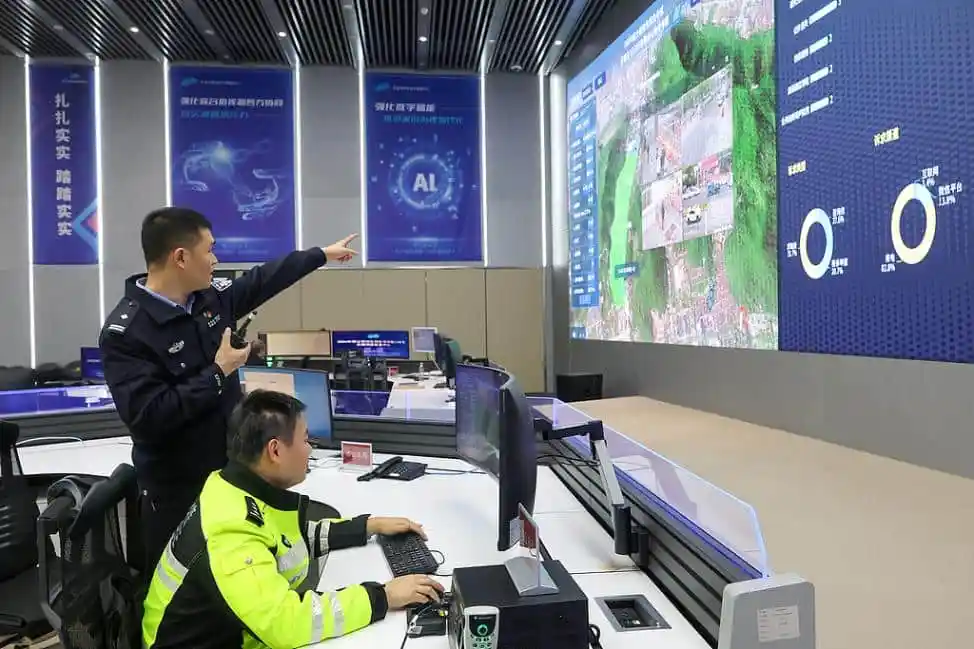
The "12345" hotline network, operational across China, is emerging as a model for efficient urban service delivery, offering potential insights for improving municipal services in Thailand. This 24/7, multilingual lifeline is accessible to residents, visitors, and businesses alike. It functions as a sophisticated "city brain," integrating advanced technology to streamline complaint resolution. Operators utilize real-time speech-to-text conversion and AI-driven policy recommendations, drawing on vast datasets of past inquiries. This system aims to minimize human error and significantly accelerate response times. Examples abound: an international student in Shandong Province had a forgotten bag returned within two hours of calling the hotline. In Sichuan Province, a reported faulty manhole cover received a response in approximately 30 seconds, with repairs completed by the next day. Official data from Beijing indicates that since its 2019 inception, the hotline has handled over 180 million calls, achieving a 97.7% satisfaction rate. Beyond reactive problem-solving, the 12345 hotline serves as a crucial feedback loop for urban planning. Monthly reports highlight pressing concerns derived from citizen input, influencing policy improvements in areas such as social insurance, elderly care, and electric bike traffic violations. In one instance, persistent issues with water leak repairs led to new regulations empowering local resident committees to hold responsible parties accountable. For Thailand, particularly in densely populated urban centers like Bangkok, the efficiency and accessibility of public services are critical. China's 12345 model, leveraging technology for rapid, citizen-driven issue resolution, could offer a blueprint for Thai municipalities and central government agencies seeking to enhance responsiveness and public satisfaction. Implementing a mechanism that channels citizen voices directly into administrative action holds the potential to foster broader societal well-being.
Original source
Chiang Rai Times