General articles are free for 24 hours after publish.
Indonesia Seeks Green Clause in China Housing Deal
Indonesia's Housing Minister and the Chinese Ambassador have outlined a plan for large-scale housing cooperation. A key focus is the inclusion of clean technology to mitigate environmental impact, drawing lessons from past industrial practices. The deal emphasizes sustainable technology choices.
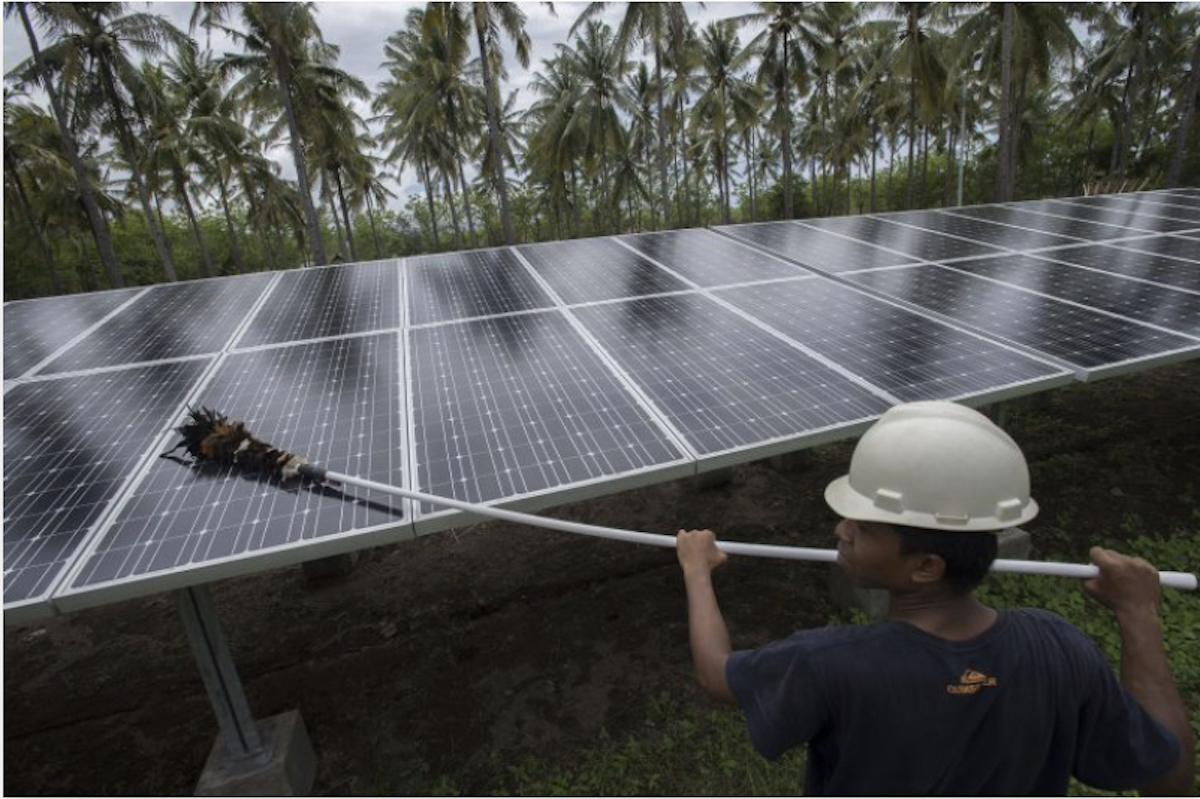
Indonesia's Housing Minister, Maruarar Sirait, met with China's Ambassador to Indonesia, Wang Lutong, for four hours at the ambassador's Jakarta residence, culminating in an agreement in principle for an ambitious housing construction plan. China is set to assist Indonesia in building large numbers of apartment blocks, known locally as rusun, through capital investment, sharing construction expertise, and partnering with Indonesian firms. The impetus for this collaboration stems from Indonesia's acute housing shortage, with government data indicating that 9.29 million families, or approximately 12% of all households, lack adequate housing. Homebuilding is a significant driver of employment, supporting 183 other industries from cement to furniture manufacturing. A joint team comprising representatives from Indonesia's Housing Ministry, the state housing fund Tapera, and China's Ministry of Housing has been formed. Its mandate includes determining land use, regulatory compliance, and the specific building technologies to be imported. The latter point reportedly remains a sticking point, with officials stating only that any technology must "fit Indonesia's conditions," including safety, land, and environmental regulations. This unresolved question carries significant weight. China is a global leader in producing clean technologies like solar panels, batteries, and electric vehicles. However, it also constructs numerous conventional concrete buildings that are highly energy-intensive and polluting. The type of Chinese building technology that ultimately reaches Indonesia will depend on the specifics written into the deal. Indonesia has prior experience with this dichotomy. Its nickel mining and battery material industry experienced rapid growth fueled by Chinese investment, but much of this industry runs on coal-fired power plants built specifically to meet its energy demands. This choice has locked in decades of coal use to support a supposedly clean industry: electric vehicle batteries. Buildings, unlike factories, have a lifespan of 30 to 50 years. If millions of new homes are built using outdated, energy-intensive methods and relying on a coal-powered grid, Indonesia will be constrained by this decision for decades. To avoid repeating this mistake, Indonesia should insist on a comprehensive package of clean technologies that China already produces at scale. This includes integrating solar panels into rooftops from the outset, including batteries for power backup during frequent outages, and specifying efficient air conditioning systems, which are crucial given cooling's significant share of Indonesia's electricity consumption. The proposal also advocates for cleaner cement production methods, electric vehicle charging infrastructure built into parking areas, and water-saving, energy-efficient appliances. China has strong incentives to agree to these terms. Its domestic market is saturated with solar panels, batteries, and EVs, leading to sharp price drops. Chinese companies are actively seeking international buyers, and a government-backed housing program in Indonesia, a major Southeast Asian market, presents a lucrative opportunity. Therefore, Indonesia is not merely asking for a favor but possesses genuine leverage to negotiate favorable terms. Incorporating these energy requirements from the outset is feasible. Land surveys and rule-making processes already underway can integrate these specifications into the contracts and building codes being drafted by the two housing ministries, thus avoiding project delays. Indonesia sought money, jobs, and technology from China. It is crucial that the technology received is the clean variety that China produces at scale and is eager to export. Muhammad Zulfikar Rakhmat is director of the China-Indonesia Desk at the Jakarta-based Center of Economic and Law Studies (CELIOS) independent research institute. Yeta Purnama is a researcher at CELIOS.
Original source
Asia Times Indonesia