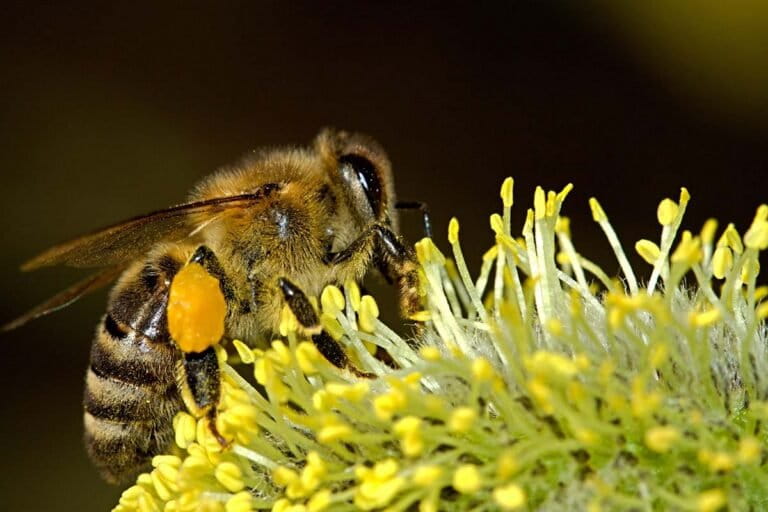
Indonesian Honeybee Venom Shows Promise in Breast Cancer Treatment Research
Melittin, a compound found in Indonesian honeybee venom, is gaining attention as a potential new candidate for breast cancer treatment. Laboratory studies have shown its ability to inhibit cancer cell proliferation, though significant challenges remain for practical application.
This article requires PRO
This article is outside the free access window or is a special report. PRO unlocks it and the full archive.
Related articles
- Prabowo's Ultimatum to Corruptors: Repent and Return Funds, or Face Consequences
President Prabowo Subianto has issued a stern ultimatum to those involved in corrupt practices, including corruptors, urging them to come clean. He suggested that those who have stolen state assets and are willing to cooperate and return funds may receive leniency, while warning of decisive action against any who resist.
- MK Rejects Lawsuit Over Gibran's Vice Presidential Eligibility in 2024 Election
The Indonesian Constitutional Court (MK) has rejected a lawsuit challenging the educational requirements for Gibran Rakabuming Raka's candidacy as Vice President in the 2024 presidential election. This decision legally secures Gibran's position as Vice President.
- Constitutional Court Finds No Proof of Gibran's High School Graduation
Indonesia's Constitutional Court stated it found no evidence proving Vice President Gibran Rakabuming Raka's high school graduation, a key point in legal challenges concerning the 2024 presidential election.
- Gibran Not Disqualified Despite Missing High School Equivalency Certificate, Court Rules
A court has ruled that Gibran Rakabuming Raka, a vice presidential candidate in Indonesia, cannot be disqualified despite failing to submit a high school equivalency certificate. This decision sparks debate over the interpretation of eligibility requirements in the electoral process.