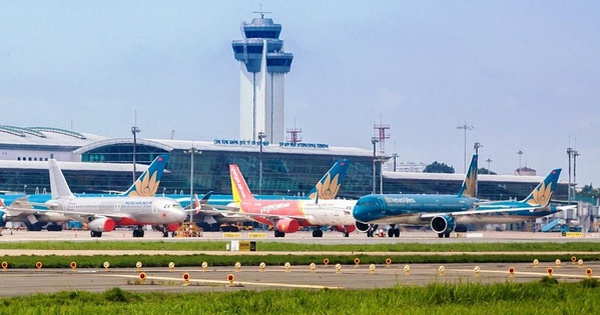
Vietnam Revises Airport Network Development Plan, Targeting 37 Airports by 2050
Infrastructure
2026年7月8日
5
Bao Chinh Phu
Relations
🇻🇳Vietnam🇨🇳China🇯🇵Japan🇺🇸United States

Vietnam Revises Airport Network Development Plan, Targeting 37 Airports by 2050

AI サマリー

The Vietnamese government has released a revised national airport system development plan aiming for a network of 37 international and domestic airports by 2050, intended to boost air transport capacity and support economic growth.

The Vietnamese government has released a revised national airport system development plan, aiming to establish a network of 37 airports, comprising 20 international and 17 domestic, by 2050. This plan is designed to accommodate the country's rapid economic growth and the corresponding surge in air transport demand. The revised plan incorporates five newly planned international airports: Cao Bang, Gia Binh, Ninh Binh, Van Phong, and Con Dao. This expansion will bring the total international airport network to 19 locations, including existing hubs such as Van Don, Cat Bi, Noi Bai, Tho Xuan, Vinh, Phu Bai, Da Nang, Chu Lai, Van Phong, Cam Ranh, Lien Khuong, Long Thanh, Tan Son Nhat, Can Tho, Phu Quoc, and Con Dao. (Note: The original list may contain minor duplications or discrepancies; this is based on official announcements). The domestic airport network will consist of 17 airports, including Lai Chau, Dien Bien, Sapa, Na San, Bach Long Vi, Dong Hoi, Quang Tri, Phu Cat, Tuy Hoa, Pleiku, Buon Ma Thuot, Mang Den, Phan Thiet, Rach Gia, Ca Mau, Thanh Son, and Tho Chu. By 2030, the airport system is projected to have a combined designed capacity of over 249 million passengers annually, with total investment estimated at approximately VND 577.572 trillion (around USD 22 billion). Plans for aviation logistics centers at airports handling over 250,000 tons of cargo per year will also be updated and expanded to enhance warehousing capacity and multimodal connectivity. By 2050, the country's airport network will comprise 37 airports—20 international and 17 domestic—through the addition of a second international airport for the Ha Noi capital region. Once completed, the network is projected to handle around 533.5 million passengers a year. Total investment is estimated at VND 586.505 trillion (approximately USD 22.5 billion). Furthermore, aircraft maintenance, repair, and overhaul (MRO) facilities will be developed at major airports with strong infrastructure and extensive international connections, including Van Don, Noi Bai, Gia Binh, Chu Lai, Tan Son Nhat, and Long Thanh. Vietnam, under its one-party system, has pursued robust central planning for economic development, achieving remarkable growth in recent years. This growth, driven primarily by manufacturing and exports, necessitates substantial infrastructure investment. The expansion of the airport network is a key component of this economic strategy. While economically intertwined with China, Vietnam also seeks to balance its relationships by strengthening ties with countries like the United States and Japan, positioning itself as a potential international logistics hub. Source: Bao Chinh Phu

多角的分析

経済的影響

ベトナムの空港網拡充計画は、同国の目覚ましい経済成長、特に製造業と輸出の拡大を支えるための戦略的な投資である。年間旅客処理能力の飛躍的な向上は、国際的な観光客誘致だけでなく、ビジネス渡航の増加にも対応し、サービス業全体の活性化に寄与すると考えられる。また、貨物取扱能力の強化は、サプライチェーンの効率化と物流コストの削減につながり、ベトナムを東南アジアにおける物流ハブとしてさらに確立させる可能性がある。総額約577兆〜586兆ベトナムドン(約220〜225億米ドル)という巨額の投資は、インフラ整備への国家的なコミットメントを示すものであり、国内経済への波及効果も大きいと予測される。

投資家心理

今回の空港網開発計画は、インフラ分野への投資機会として、国内外の投資家にとって魅力的なシグナルとなる。特に、航空機整備・修理・オーバーホール(MRO)施設の拡充は、関連産業への直接投資を呼び込む可能性がある。また、空港周辺の土地開発や、物流センター、商業施設への投資も期待される。ベトナム政府は、外国直接投資(FDI)を積極的に誘致する姿勢を維持しており、本計画の進捗は、ベトナムのインフラ投資環境の健全性を示すバロメーターともなり得る。ただし、計画の実行には巨額の資金調達が必要であり、その調達方法や、プロジェクトの透明性、許認可プロセスなどが投資判断の重要な要素となるだろう。

社会的影響

空港インフラの拡充は、地方と都市部の間の移動を容易にし、国内の人的交流や経済活動の活性化を促進する。特に、これまで航空アクセスが限られていた地域への新たな空港設置は、地域経済の振興や雇用創出につながる可能性がある。一方で、大規模なインフラ開発は、土地収用や環境への影響といった社会的な課題も伴う。計画の実行にあたっては、地域住民との丁寧な合意形成や、環境保全への配慮が不可欠となる。また、空港の利便性向上は、国内の格差是正にも貢献しうるが、その恩恵が全国民に均等に行き渡るような政策設計が求められる。

市民の声

空港網の拡充は、ベトナム国民の移動の自由度を高め、国内旅行や海外旅行をより身近なものにする。特に、地方に住む人々にとっては、都市部へのアクセスが改善され、教育や医療、就労機会へのアクセスが向上することが期待される。また、物流の効率化は、物価の安定や、より多様な商品へのアクセス向上にもつながる可能性がある。しかし、大規模開発に伴う土地収用や、空港周辺の騒音・環境問題は、直接的な影響を受ける住民の生活に変化をもたらす。これらの影響を最小限に抑え、開発の恩恵を広く共有するための配慮が、政府には求められる。

背景・歴史的文脈

ベトナムは、1986年のドイモイ政策(刷新)以降、計画経済から市場経済への移行を進め、目覚ましい経済成長を遂げてきた。この成長を支えるため、インフラ整備は国家的な最重要課題の一つと位置づけられている。特に、経済の中心地であるハノイとホーチミン市周辺の既存空港は、航空需要の急増に追いつかなくなっており、拡張や新設の必要性が高まっていた。中国との関係は経済的に不可分である一方、南シナ海問題などを巡る地政学的な緊張から、米国や日本などとの関係強化も図っており、国際的な物流・交通網における戦略的優位性を確立しようとしている。今回の空港網計画は、こうした経済的・地政学的な背景を踏まえ、国家の発展と国際的な地位向上を目指す長期的なビジョンの一環である。

原文ソース

Bao Chinh Phu

原文を読む