Vietnam Prioritizes Defense Industry Autonomy, Securing Strategic Supply Chains
Vietnamese Prime Minister Le Minh Hung has directed the military to develop an autonomous defense industry and master strategic supply chains. This aims to enhance response capabilities amid complex international dynamics. The directive also emphasized advancing efforts to identify the remains of fallen soldiers.
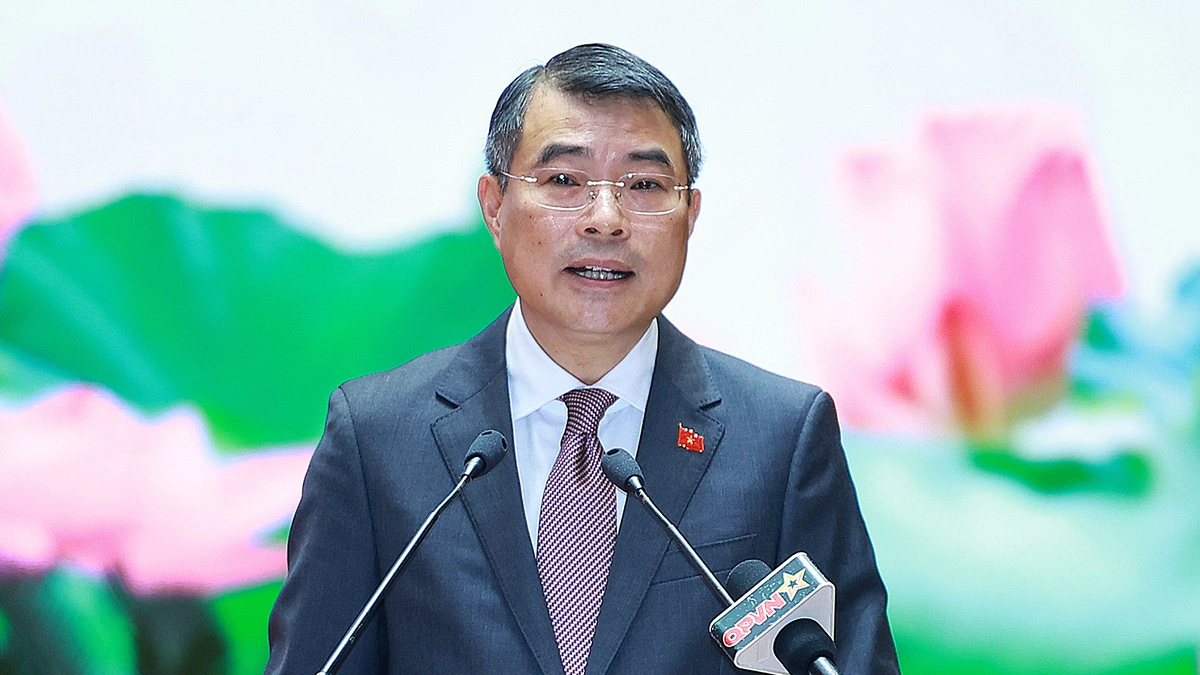
Prime Minister Le Minh Hung has instructed the military to ensure the autonomy of the defense industry and master strategic supply chains. This directive aims to guarantee the capacity to respond to all situations amidst the increasingly complex global and regional landscape and emerging challenges. Speaking at a joint military-defense conference on July 2, Prime Minister Hung called for the development of the defense industry in a self-reliant, self-sufficient, and modern direction, positioning it as a vanguard of national industry. Furthermore, the military is urged to master the latest weapons and equipment and enhance the quality of training and exercises to adapt to new combat conditions. The Prime Minister commended the military's activities over the past six months, noting its ability to maintain initiative through accurate assessment of the situation and flexible responses. He also acknowledged progress in the defense industry's self-reliance in technology, design, and manufacturing. Additionally, the enhancement of strategic advisory capabilities was emphasized, not only in military and defense matters but also in foreign affairs. The Prime Minister stressed the importance of "predicting impacts not only in military and defense but also in socio-economic, diplomatic, and other fields, preparing and advising early and deeply." Moreover, the Prime Minister designated the promotion of efforts to search for and collect the remains of fallen soldiers, gather information, and identify their remains as a particularly important political mission for all levels, especially the Ministry of National Defense. According to reports at the conference, over 4,100 hectares of mine-contaminated land have been cleared, 1,507 sets of remains have been received, and over 7,500 samples have been collected for DNA identification, with 1,255 individual remains and three mass graves discovered. Source: VnExpress
多角的分析
ベトナム政府が国防産業の自律性強化を指示した背景には、地政学的な不確実性が高まる中で、主要な軍事装備や部品の供給網を外国に過度に依存することのリスクを低減する意図がある。これは、国内の製造業基盤の強化と、軍事技術分野における技術移転やライセンス生産を通じた産業高度化を目指す長期的な経済戦略の一環とも解釈できる。ただし、国防産業の自律性向上は、技術開発への多額の投資や、国際的なサプライチェーンとの連携を維持・再構築する際の複雑な交渉を伴うため、経済的な負担増につながる可能性も否定できない。
国防産業の自律性強化は、直接的な外国投資の機会を限定する可能性がある一方で、国内の関連産業、特に素材、精密機械、電子部品などのサプライヤーにとっては、新たなビジネスチャンスを生み出す可能性がある。政府は、国内企業への支援を強化し、技術移転や研究開発への投資を促進することで、これらの産業の成長を促すだろう。しかし、国防分野は一般的に機密性が高く、透明性が低い傾向があるため、投資家はリスク評価に慎重になる必要がある。長期的な視点では、ベトナムの産業基盤全体の底上げに寄与する可能性もある。
国防産業の自律性強化という指示は、国民生活に直接的な影響を与えるものではないが、国家の安全保障強化という文脈で理解される。一方で、会議で強調された戦没者遺骨の身元特定作業は、国民、特に遺族にとって非常に感情的かつ社会的に重要な意味を持つ。4,100ヘクタールもの地雷除去は、農地利用の拡大や住民の安全確保に繋がり、地方の生活環境改善に貢献する。これらの活動は、国家の安定と国民の福祉向上への政府のコミットメントを示すものとして、社会的な支持を得る要素となるだろう。
国防産業の自律性強化という指示は、一般市民の日常生活に直接的な変化をもたらすものではない。しかし、国際情勢の不安定化という背景を踏まえ、国家の安全保障が強化されることへの安心感につながる可能性がある。より身近な話題としては、戦没者遺骨の身元特定作業の進展が挙げられる。これは、多くの遺族にとって長年の悲願であり、社会的な関心も高い。また、地雷除去作業の進展は、地方における土地利用の可能性を広げ、住民の安全を確保する上で、地域住民の生活に直接的な恩恵をもたらすと考えられる。
背景・歴史的文脈
ベトナム共産党は、建国以来、国家の主権と安全保障の維持を最重要課題としてきた。特に、冷戦終結後、グローバル化が進む中で、主要国との関係を巧みに維持しつつ、軍事的な自律性を高める政策を推進してきた。1986年のドイモイ(刷新)政策以降、経済成長と並行して、国防力の近代化も進められてきた。近年の東シナ海における中国の海洋進出や、米中対立の激化は、ベトナムの安全保障環境を一層複雑化させており、国防産業の自律性強化とサプライチェーンの安定化は、こうした外部環境の変化に対応するための喫緊の課題となっている。
原文ソース
VnExpress