Thailand Set to Scrap Land Bridge Megaproject Amid Economic and Environmental Risks
Infrastructure
2026年7月25日
5
Bangkok Post
Relations
🇹🇭Thailand🇨🇳China

General articles are free for 24 hours after publish.

Thailand Set to Scrap Land Bridge Megaproject Amid Economic and Environmental Risks

Share
AI Summary

The Thai government is leaning towards cancelling the Land Bridge megaproject due to economic uncertainty, operational complexities, and environmental concerns. Projected returns have significantly decreased, and environmental impact assessments revealed shortcomings. Development of existing transport networks is expected to continue as an alternative.

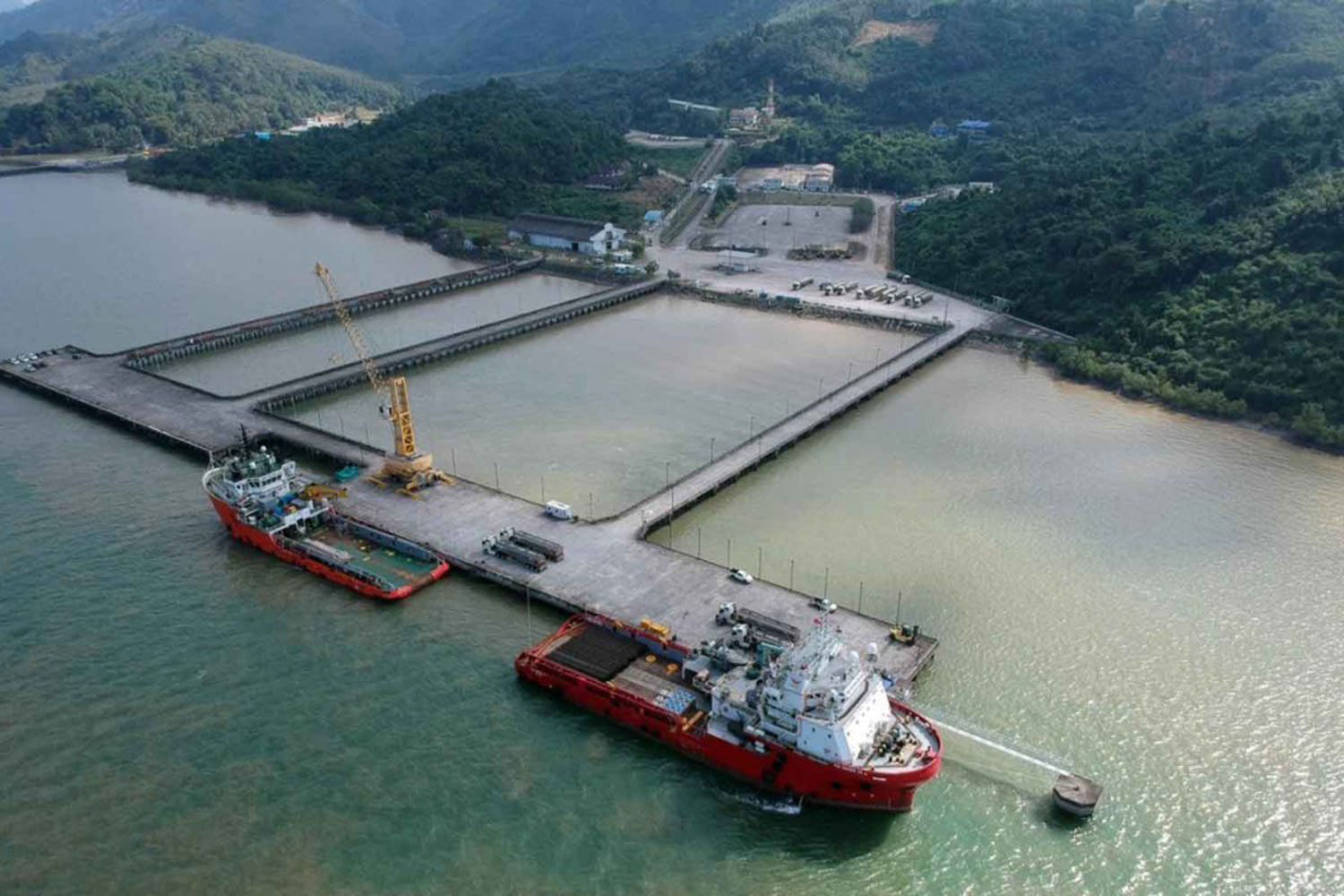
The Thai government is set to scrap its ambitious Land Bridge megaproject, following a comprehensive review that highlighted significant economic, operational, and environmental risks. The findings indicate a low probability of success, prompting a recommendation to terminate the plan in its original form. Ekniti Nitithanprapas, Deputy Prime Minister and Finance Minister, chaired the committee that concluded the review, which was completed ahead of the prime minister's deadline. The study's findings pointed to a low likelihood of the project's success due to financial, operational, and environmental challenges. No investment losses have occurred as land acquisition and construction had not yet commenced, according to Mr. Ekniti. The project's financial outlook has deteriorated significantly, attributed to global economic uncertainties stemming from the Covid-19 pandemic, the Russia-Ukraine war, and Middle East tensions. The Land Bridge, estimated to cost around 1 trillion baht, was envisioned as a transport corridor linking Ranong on the Andaman Coast with Chumphon on the Gulf of Thailand, featuring deep-sea ports, railways, motorways, and industrial estates to bypass the Strait of Malacca. Danucha Pichayanan, secretary-general of the National Economic and Social Development Council (NESDC), revealed that the revised study showed a drop in the project's financial rate of return from 8% to 4.8%. The net present value (NPV) also shifted from an anticipated positive 637.7 billion baht to a negative 10.3 billion baht. Mr. Danucha noted that container volumes were estimated to decline by 15-16%, reducing returns by 38%. He added that nine of the world's top 10 shipping lines have already invested in similar projects elsewhere, limiting opportunities to attract substantial cargo volumes. Operational complexities were also a major concern. The project would necessitate multiple transfers between ships, trucks, and rail. The initial estimate of completing cargo transfers within three days did not account for potential delays, operational risks, and actual costs. Environmental concerns played a crucial role in the decision. A representative from the Ministry of Natural Resources and Environment highlighted that the proposed route would traverse forests, mountainous areas, and sensitive ecosystems. Ranong province, home to Thailand's largest mangrove forest, a biosphere reserve, and a recognized wetland, could face adverse impacts on its marine ecosystems, rare species, local fisheries, and coastal communities. The review also identified gaps in environmental impact assessments, with seven separate reports from three agencies lacking an integrated evaluation of overall impacts. The 2016 strategic environmental assessment did not cover the current route. Despite shelving the Land Bridge plan, the government intends to continue developing transport links on the Andaman coast. Mr. Ekniti pointed out that over 34% of southern exports still pass through neighboring countries, and trade with India, the Middle East, and Europe is expected to grow. Source: Bangkok Post

0

Original source

Bangkok Post

原文を読む