Tonle Sap Lake Biosphere Reserve Strategy Plan Unveiled
Environment
2026年7月21日
5
AKP Khmer
Relations
🇰🇭Cambodia🇨🇳China

General articles are free for 24 hours after publish.

Tonle Sap Lake Biosphere Reserve Strategy Plan Unveiled

Share
AI Summary

Cambodia's Ministry of Environment has launched a strategic plan for the Tonle Sap Lake Biosphere Reserve covering 2026-2030. The plan aims to maintain ecological balance and ensure sustainable resource management.

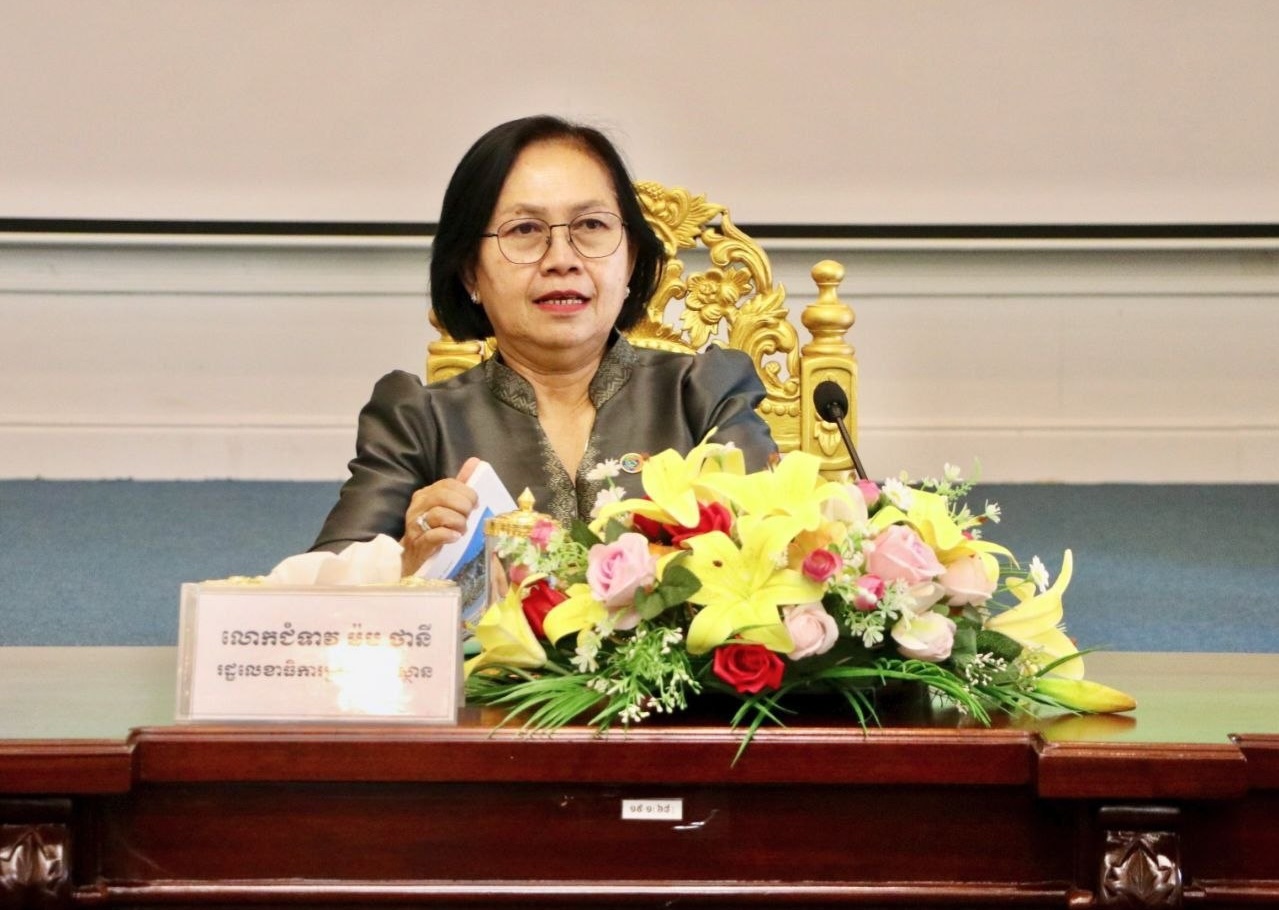
The Ministry of Environment of Cambodia held a dissemination meeting on the Strategic Plan for the Tonle Sap Lake Biosphere Reserve for 2026-2030 on July 20, 2026, at the Kompong Thom Provincial Department of Environment. The meeting was led by H.E. Mam Thaney, Secretary of State of the Ministry of Environment and Chairperson of the Tonle Sap Lake Biosphere Reserve Management Coordination Committee. The meeting was attended by representatives from relevant ministries and institutions, deputy governors from six provinces surrounding Tonle Sap Lake (Kompong Thom, Siem Reap, Banteay Meanchey, Battambang, Pursat, and Kampong Chhnang), directors of the Provincial Departments of Environment from these six provinces, who are members of the Tonle Sap Lake Biosphere Reserve Management Coordination Committee, and representatives from organizations including UNESCO, ACCB, CEPA, WCS, WWT, NLC, IUCN, FACT, CI, and FFI. Also present were leaders, officials from the Ministry of Environment and the Kompong Thom Provincial Department of Environment, and community members, totaling 51 participants (5 women). H.E. Chea Vanchann, Deputy Governor of the Kompong Thom Provincial Administration, delivered a welcoming address, highlighting the potential of Tonle Sap Lake and emphasizing that the Tonle Sap Lake area is the heart of the ecosystem and an indispensable socio-economic source for Cambodia. He stated that the dissemination meeting on the 'Strategic Plan for the Tonle Sap Lake Biosphere Reserve 2026-2030' directly addresses the goal of ensuring a balance between the conservation of valuable natural resources and biodiversity and the sustainable and inclusive management of land for the citizens living around the area. The meeting was seen as a valuable forum for sharing visions and strategies, as well as strengthening closer cooperation between the Ministry of Environment and the provincial administrations of the six provinces surrounding Tonle Sap Lake to jointly implement the plan and achieve fruitful results in line with the government's policies. H.E. Mam Thaney, Secretary of State of the Ministry of Environment, stated that the Cambodian government, with its relevant institutions and development partners, has strived and created various mechanisms to protect and manage the valuable environment and natural resources of Tonle Sap Lake. However, she noted that over the past two decades, the Tonle Sap Lake Biosphere Reserve has been facing severe threats. These include: 1. Changes in hydrological patterns. 2. Irregular and shorter flood seasons than before. 3. Reduced flooded area. 4. Illegal encroachment on state public land, leading to the loss of flooded forests and grasslands. 5. Water and fish pollution, with some fish containing excessive heavy metals. 6. The increase of plastic waste in the Tonle Sap Lake area, posing a major risk to well-being. 7. The loss of other important biodiversity resources. 8. Threats from climate change, to which Cambodia is vulnerable despite being a country with minimal greenhouse gas emissions. H.E. Mam Thaney emphasized that today's meeting provides knowledge and insights into various activities to be implemented by respective institutions based on six key strategic priorities: 1. Good Governance. 2. Hydrological Management. 3. Biodiversity and Natural Resource Conservation Management. 4. Pollution Management. 5. Land Use Management. 6. Enhancing the Living Standards of Local Communities. These strategic keystones are crucial for maintaining the health of Tonle Sap Lake.

0

Original source

AKP Khmer

原文を読む