General articles are free for 24 hours after publish.
Cambodia and ILO Hail Mid-Term DWCP Achievements, Boost Tripartite Cooperation for Decent Work
Cambodia's Ministry of Labour and Vocational Training held a mid-term review workshop for the "Decent Work Country Programme" (DWCP) with the ILO on August 31st. The event aimed to assess progress and strengthen tripartite cooperation between government, employers, and unions to enhance workers' rights. Cambodia was highlighted as the longest-standing DWCP implementing country in ASEAN.
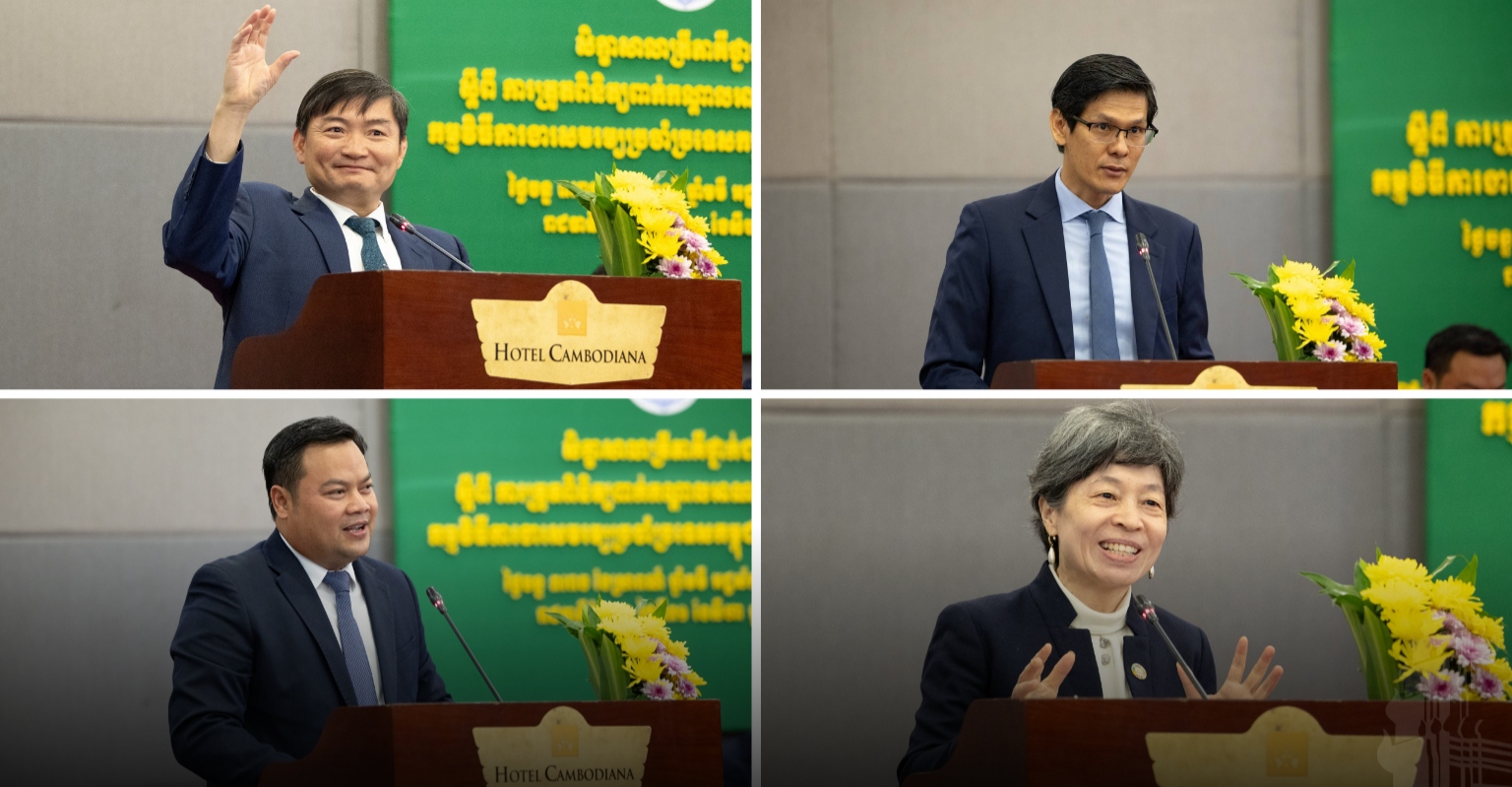
Phnom Penh: Mr. Heng Sour, Minister of Labour and Vocational Training, presided over the opening of the "National Tripartite Workshop on the Mid-Term Review of the Implementation of the Decent Work Country Programme (DWCP) for Cambodia 2024-2028" on the morning of August 31, 2026, at the Cambodiana Hotel. The workshop aims to present the progress achieved mid-term of the DWCP programme from January 2024 to June 2026, share lessons learned from implementation, present the priorities of the DWCP programme for 2026, and strengthen tripartite capacities to continue developing, implementing, and monitoring the programme more effectively. Speaking to the workshop attendees, including representatives from the government, the Ministry of Labour, the ILO, employer associations, and trade unions, the Minister congratulated the achievements of the programme and highly valued the ILO's active and responsible participation in continuing the programme's implementation since 2005. Cambodia is the only country in ASEAN that has implemented it the longest and most sustainably, reaching its sixth phase. This demonstrates Cambodia's commitment to improving labour conditions, occupational safety and health, and professional relations. The Minister stated that the programme continues to serve as an important mechanism that gathers input from stakeholders for the common good of workers and employers. The success of this programme stems from close tripartite cooperation that supports the implementation of various policies, contributing to the achievement of national development goals and Cambodia's vision. Specifically, the vocational training programme has trained over 284,000 students out of 1.5 million youth from poor and vulnerable families, and the number of Social Security Fund (Bavet) members has increased to over 3.8 million. Recalling the three main priorities of the programme: human capital, economy, and professional relations, the Minister encouraged the workshop participants to review and evaluate shortcomings, improve indicators based on past implementation experiences, and provide input to offer effective common solutions. Furthermore, they should discuss methods to strengthen the joint implementation mechanism between state institutions, professional organizations, and employer associations, aligning with global economic trend changes and government policies for 2026. This includes the commitment of Prime Minister Hun Manet to maximally support small and medium enterprises (SMEs), which are the backbone of the national economy and include a large number of people in the informal economy. This also involves adjusting registration processes to bring more people into the system. The Minister emphasized that in professional relations, the capacity of human resource managers at the enterprise level must be strengthened and expanded to enhance understanding of laws, regulations, and methods for resolving labour disputes at the local level, including using appropriate language with employees. The Minister expressed hope that the participation in the workshop will continue the effective tripartite mechanism for the most sustainable implementation of this programme in the region, further improving labour conditions, living standards, and professional relations. Concurrently, Mr. Sam Suon, representative of the National Trade Union Council for the DWCP programme, and Mr. Sok Lao, Vice President of the Federation of Employers and Associations of Cambodia, thanked the Ministry and the ILO for their technical and financial support and pledged to continue implementing the programme to improve the livelihoods of workers and promote decent work and social justice. Ms. Sreang Yi Chhean, Director of the ILO Country Office for Cambodia, Laos, and Thailand, expressed confidence that further strengthening of achieved progress, accelerating reforms, and enhancing tripartite and social dialogue in line with international labour standards will promote decent work, better worker protection, increased enterprise productivity and resilience, stronger social dialogue, and development that leaves no one behind. Source: Koh Santepheap Khmer
Original source
Koh Santepheap Khmer