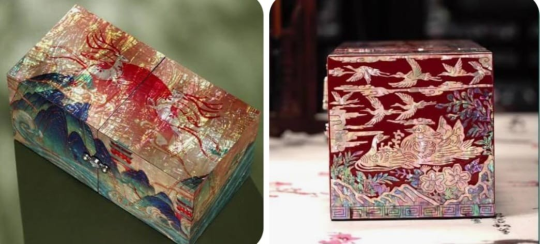
Laos Navigates China, Vietnam Ties Amid Economic Challenges; Cultural Exchange Revives Traditional Crafts
Laos faces economic challenges while managing its relations with China and Vietnam. The modern application of China's traditional mother-of-pearl inlay craft offers insights for Laos' cultural heritage preservation and economic development.
This article requires PRO
This article is outside the free access window or is a special report. PRO unlocks it and the full archive.
Related articles
- NA Members Urge Maximizing State and Community Benefits from Mineral Development
Laotian National Assembly members have called for maximizing state and community benefits from mineral development, urging stronger oversight, domestic processing, and environmental protection. Proposals included reviewing concessions, suspending some rare-earth projects, and enhancing local community gains.
- Laos Inflation Averages 7.9% in First Nine Months Despite Trade Surplus
Laos recorded a trade surplus of US$1.356 billion and 4.8% economic growth in the first nine months of the year, despite an average inflation rate of 7.9%. However, challenges in revenue collection and heavy reliance on natural resources highlight structural issues for sustainable development.
- Vietnam-Laos Product Week Opens in Hanoi to Boost Economic Ties
Vietnam-Laos Product Week has opened in Hanoi, showcasing specialty products from both nations and fostering business exchanges. Laos faces challenges in achieving economic targets, including inflation control and growth promotion.
- Made in Laos 2026 Trade Fair Opens in Vientiane to Boost Domestic Industry
Laos has opened the 'Made in Laos 2026' trade fair in the capital Vientiane, aiming to promote domestic industry and expand exports. Over 200 booths are participating, with international exhibitors from Thailand, Vietnam, China, and Indonesia also present, fostering global business opportunities.