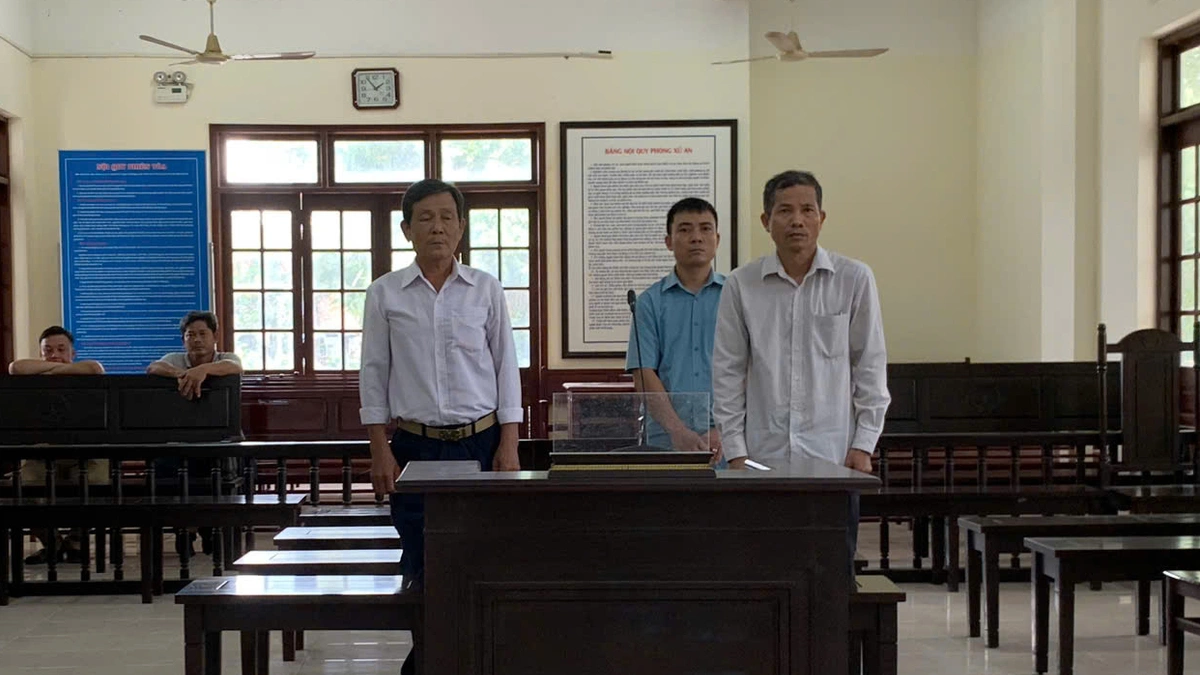
Former Veterinary Officials Sentenced for 'Legalizing' Nearly 10,000 Sick Pigs
Technology
2026年7月9日
5
VnExpress
Relations
🇻🇳Vietnam🇹🇭Thailand

Former Veterinary Officials Sentenced for 'Legalizing' Nearly 10,000 Sick Pigs

AI サマリー

Two former veterinary officials in Tay Ninh Province, Vietnam, have been sentenced to prison for illegally 'legalizing' nearly 10,000 sick pigs to be sold on the market. The manager of the slaughterhouse was also convicted of bribery. The case highlights food safety concerns.

In Tay Ninh Province, Vietnam, two former veterinary officials have been sentenced to prison for illegally 'legalizing' nearly 10,000 sick pigs and allowing them to enter the market. The manager of the slaughterhouse was also convicted of bribery. The case highlights concerns about food safety management systems in Vietnam. On July 8, the court sentenced Nguyen Van Thanh, 51, a former quarantine officer, to three years in prison for receiving bribes. Huynh Van Phan, 62, a former technician, also received a sentence of two years and six months for the same offense. Furthermore, Nguyen Van Hoi, 42, the manager of the slaughterhouse, was sentenced to one year and six months for offering bribes. According to the indictment, the scheme began about four years ago. Hoi, as the manager of a leased slaughterhouse, was responsible for overseeing the number of pigs processed and collecting fees from customers. During this period, Hoi colluded with Thanh, a then-quarantine officer, to 'legalize' the documentation for pigs of unknown origin and suspected of being diseased. They agreed that Hoi would pay Thanh 10,000 Vietnamese Dong per undocumented pig, with Thanh then sharing a portion of the money with Phan. The fraudulent method involved creating falsified documents for the origin of animals and information about intermediary agents for transport within the province. Thanh prepared these documents on a computer, filled in false information, and signed them. From late November 2024 to early 2025, Hoi processed over 9,600 pigs without proper entry documentation. Subsequently, Hoi transferred approximately 130 million VND to Thanh's account in 22 installments. Thanh then forwarded about 45 million VND to Phan in nine separate transactions. On January 12, 2025, the Ministry of Public Security's Environmental Crime Prevention Police Department conducted a surprise inspection of the slaughterhouse. They discovered over 150 live pigs and more than 80 processed pigs that were marked and certified, ready for distribution to the market. The inspection revealed that many pigs showed signs of illness. Samples taken from the diseased pigs and live animals tested positive for African Swine Fever virus and the European strain of Porcine Reproductive and Respiratory Syndrome virus. Two months later, the case file was transferred to the Long An Provincial Police Investigation Agency for further investigation. At trial, the defendants admitted to their actions. The court stated that their misconduct threatened public health, posed a danger to society, and undermined the proper functioning of official organizations, necessitating a strict penalty for deterrence. Source: VnExpress

多角的分析

経済的影響

この事件は、ベトナムの食品サプライチェーンにおける腐敗と不正行為が、経済的損失だけでなく、公衆衛生への深刻なリスクをもたらすことを示唆している。病気の豚が流通することは、さらなる疾病の拡散を招き、畜産業全体に経済的打撃を与える可能性がある。また、不正に流通過程に入った食肉は、正規のルートで流通する食肉よりも安価で提供される可能性があり、健全な市場競争を歪める要因ともなりうる。これは、ベトナム政府が推進する経済成長と国際的な信頼獲得の取り組みにも影響を与えかねない。

投資家心理

投資家にとって、このような腐敗事件はベトナムのビジネス環境におけるリスク要因として認識されるべきである。特に食品・農業分野への投資を検討している場合、規制当局の監視体制や、サプライチェーンにおける透明性の確保が十分であるかどうかのデューデリジェンスが不可欠となる。過去にも同様の食品安全関連の不正が報告されており、投資家はこれらのリスクを織り込んだ上で、長期的な投資戦略を構築する必要がある。信頼できるパートナーの選定と、厳格なコンプライアンス体制の確認が重要となる。

社会的影響

この事件は、ベトナム社会における食品安全への不安を増大させる。病気の豚肉が市場に出回ることは、消費者の健康に直接的な脅威を与える。特に、低所得者層や地方の住民は、より安価な食品を求める傾向があり、こうした不正な食品にアクセスしやすくなる可能性がある。また、公務員による不正行為は、政府への信頼を損ない、社会的な不満を高める要因となりうる。地域社会においては、食の安全を守るための市民による監視や、通報システムの強化が求められている。

市民の声

今回の事件で、病気の豚が市場に出回るという事実は、一般市民の食の安全に対する不安を一層掻き立てるものです。特に、日々の食卓に並ぶ食材の安全性を確保することは、市民生活の根幹に関わる問題です。病気の豚肉が流通することで、食中毒や感染症のリスクが高まることは、市民の健康を直接的に脅かす行為と言えます。また、このような不正行為が公務員によって行われたことは、行政への信頼を揺るがし、市民の間に不信感を生じさせる可能性があります。市民としては、食品の購入に際してより一層の注意を払い、不審な点があれば通報するなどの行動が求められます。

背景・歴史的文脈

ベトナムでは、経済成長に伴い畜産業が発展してきたが、一方で食品安全に関する問題も度々指摘されてきた。特に、アフリカ豚熱(ASF)のような家畜伝染病の発生は、農家や畜産業界に大きな経済的打撃を与えており、その管理体制が問われている。過去にも、不法な食肉の流通や、検査体制の不備が原因とされる食中毒事件が報告されており、政府は食品安全基準の強化や監視体制の拡充に取り組んできた。しかし、本件のように、公務員が不正に関与するケースは、根深い腐敗問題の存在を示唆しており、抜本的な対策が求められている。

原文ソース

VnExpress

原文を読む