General articles are free for 24 hours after publish.
Weak Peso Exacerbates Household Woes, Exposes Structural Economic Gaps
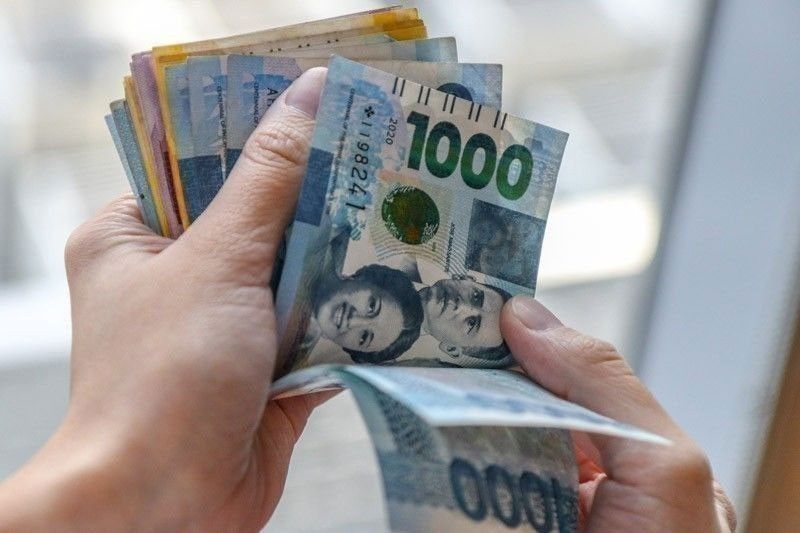
The Philippine peso is hovering near historic lows, increasing the cost of imported goods and straining household budgets. Experts point to the economy's structural weaknesses, including heavy import reliance and sluggish domestic industries, as key factors exacerbating the situation.
The continued weakening of the Philippine peso is significantly impacting the daily lives of citizens, with prices for essential goods and services seeing a notable increase. The peso is currently trading near historic lows against the US dollar, hovering around 63 to the dollar. This depreciation is attributed to persistent geopolitical tensions and domestic economic challenges, further driving up the cost of imported items. This currency slide highlights deeper structural weaknesses in the Philippine economy, particularly its heavy dependence on imports and the underdevelopment or sluggish growth of local industries. This directly translates to higher prices for groceries and other necessities, placing considerable pressure on household budgets. Even in the restaurant sector, rising raw material costs may lead to smaller serving sizes rather than outright price hikes. Global factors are also at play. Tensions in the Middle East are pushing up crude oil prices, increasing the cost of imported fuel for the Philippines. Furthermore, the weak peso can deter foreign investment and negatively affect the country's credit ratings. Servicing foreign debt also becomes more expensive, straining government finances. While overseas Filipino workers (OFWs) may see an increase in remittances when converted to pesos, this benefit is offset by the rising cost of living for their families back home. Inflation remains stubbornly high, with the August rate barely easing to 6.1 percent, well above the Bangko Sentral ng Pilipinas' target of 3 percent. This means households are already grappling with elevated prices, and the peso's depreciation only exacerbates the situation. Experts emphasize the need for structural reforms to strengthen domestic industries, boost investment in agriculture, and pursue energy independence through renewable sources. These measures are seen as crucial to building a more resilient economy that can withstand global shocks and provide greater peace of mind for future generations. Information Source: Philstar Business
Original source
Philstar Business