General articles are free for 24 hours after publish.
Cambodia-Thailand Border Dispute: Cambodia Rejects 'Self-Defense' Claim, Cites Prior Military Buildup
Amidst a border clash between Cambodia and Thailand, Thailand maintains a 'self-defense' stance. Cambodia counters, asserting that Thailand had pre-planned military buildups and created conditions for conflict, arguing that prior preparation, not just the sequence of firing, is crucial in determining responsibility.
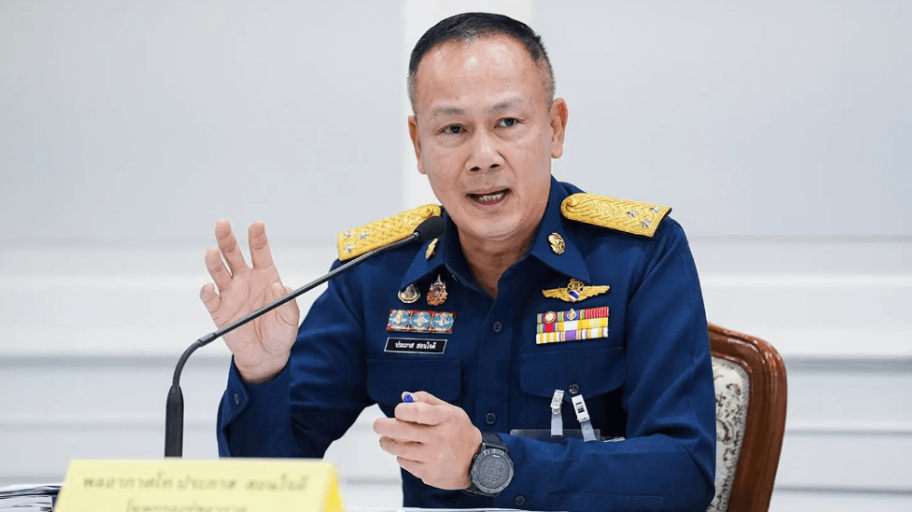
Regarding the armed clashes that erupted along the Cambodia-Thailand border, Cambodia has countered Thailand's claims that its actions were solely for 'self-defense' and that Cambodia initiated the firing. On September 1, 2026, Mr. Prapas Sornchaidee, Director of the Thai Joint Information Center, called on the international community to re-examine the timeline of the shootings, asserting that Cambodia began the engagement and Thailand's military actions were a response to protect itself and its sovereignty. However, Cambodia's Ministry of National Defense stated that the Thai side had announced its war preparedness plan, 'Chakrapong Phunath,' prior to the armed attack on July 24, 2025. The ministry questioned why a military plan would be in place if Thailand's military actions were merely a coincidental response to a threat. Cambodia argues that the assertion of 'self-defense' should not be used in isolation from the entire context of the events. Evaluating who initiated the conflict requires examining the sequence of events, the preparedness of forces, battlefield actions, and what transpired before the gunfire. Furthermore, concerning Thailand's accusation that Cambodia fired BM-21 rockets, causing damage to Thai civilian areas and property, Cambodia stated that the consequences of the shelling cannot automatically serve as proof that the other party initiated the conflict. Damage may indicate the severity of the war but does not answer the question of 'who shot first.' On the issue of a ceasefire and the continuation of the Joint Border Commission's (JBC) work, the Thai side claims that the border areas must be safe from incitement and landmines before demarcation work can proceed. However, Cambodia views such reasoning as a potential means to delay the implementation of demarcation work, despite existing declarations and agreements between the two countries. Cambodia emphasized that if both parties are committed to a ceasefire and resolving issues through bilateral mechanisms, they should return to implementing existing agreements rather than creating new justifications for delays. Cambodia has clearly reiterated its stance of supporting a peaceful and just resolution of border issues based on international law, treaties, and existing bilateral agreements. Simultaneously, Cambodia stated it cannot accept the use of force or the creation of 'faits accomplis' (accomplished facts on the ground) as a basis for determining or altering borders. In conclusion, Cambodia asserts that the truth cannot be determined by the statements of any single party. It must be based on the sequence of events, evidence, and independent verification. If Thailand claims it was merely 'defending itself,' the unanswered questions remain: who first used force, and can military preparations before the shooting be considered a 'self-defensive response'?
Original source
Kampuchea Thmey Local