The "Make Friends with Monkeys" Theory: A Lesson in Peacekeeping from UNTAC Cambodia
Security
2026年7月3日
4
Phnom Penh Post
Relations
🇰🇭Cambodia🇮🇩Indonesia🇻🇳Vietnam🌐United Nations / ASEAN

The "Make Friends with Monkeys" Theory: A Lesson in Peacekeeping from UNTAC Cambodia

AI サマリー

An Indonesian battalion under UNTAC in the early 1990s employed non-military approaches like personal gifts and photo developing to build trust with Khmer Rouge soldiers. This metaphorical "Make Friends with Monkeys" philosophy fostered de-escalation and improved situational awareness in peacekeeping operations.

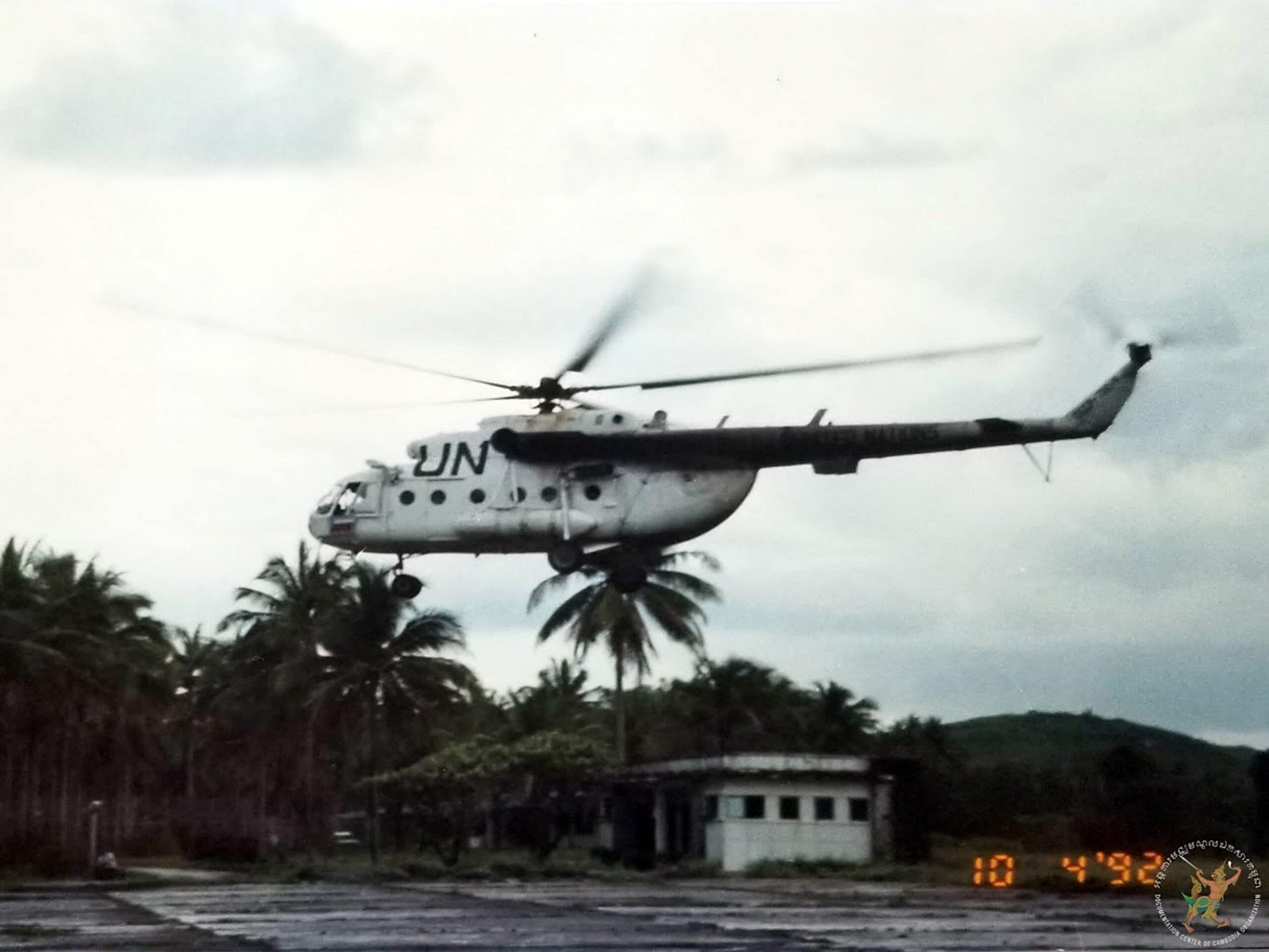
Certain experiences remain vivid long after history has moved on. One such experience occurred during my service with the UN Transitional Authority in Cambodia (UNTAC) in the early 1990s. Although more than three decades have passed, the lesson I witnessed continues to shape the way I think about conflict resolution, peacekeeping and human relationships. The incident took place in Kampong Thom province’s Popok village, in Stoung district, in what was then designated “Sector 5”. At the time, Cambodia was emerging from decades of conflict. Large areas remained under the control of Khmer Rouge forces, and for security reasons, UN personnel were generally prohibited from entering most of those parts of the country. The risks were considered too great, and contact between peacekeepers and Khmer Rouge units was often limited and highly sensitive. One exception existed in Popok Village, where an Indonesian battalion had established a company position. What distinguished this company from many others was not its military strength, but its philosophy of engagement. Rather than treating every encounter with suspicion, the Indonesian soldiers chose to build confidence through simple acts of goodwill. On occasion, they gave individual Khmer Rouge soldiers inexpensive personal items such as portable radios, sarongs, scarves or cameras. These were not military supplies or strategic assistance, but ordinary gifts intended to establish communication and reduce hostility. An especially interesting practice involved cameras. The Indonesian soldiers told their counterparts that once they had finished taking photographs, they could bring the rolls of film to the Indonesian camp for developing. After the films were processed, both the negatives and the printed photographs were returned to their owners. Over time, these seemingly modest gestures helped create a relationship built on trust rather than confrontation. As confidence grew, the Indonesian company was able to conduct patrols with a greater sense of security, while tensions between the peacekeepers and local Khmer Rouge soldiers noticeably declined. Not everyone viewed this approach favourably. Some observers accused the Indonesian company of becoming too friendly with the Khmer Rouge and questioned whether it had compromised its neutrality. The allegations eventually prompted a UN team from headquarters in Phnom Penh to visit the company and examine the situation. According to the account I heard at the time, the company commander explained his philosophy with a memorable phrase: “Make Friends with Monkeys”. The expression was clearly metaphorical and provocative, but the underlying principle was straightforward. It did not mean supporting one side in the conflict or abandoning impartiality. Instead, it reflected the belief that reducing hostility and building trust could create a safer environment for peacekeepers while allowing them to better understand the communities and circumstances in which they operated. Looking back, I believe this approach produced several practical benefits. First, improved relationships enhanced operational safety. Lower levels of tension reduced the likelihood of misunderstandings and made routine patrols considerably less dangerous. Second, the arrangement for developing photographic film unexpectedly improved situational awareness. The photographs often revealed local terrain, villages, transportation routes, the identities of some local commanders and the types of weapons visible in the background. Without coercion or confrontation, the peacekeepers gained a deeper understanding of the operational environment. Third, the trust that had been established provided greater freedom of movement. While many UN military observers elsewhere in Cambodia continued to face restrictions when approaching Khmer Rouge-controlled areas, this Indonesian company maintained communication and carried out its duties with comparatively fewer obstacles. This experience left a lasting impression on me because it demonstrated that successful peacekeeping requires far more than military capability. Diplomacy, cultural sensitivity, patience and respect are often equally important tools. Winning confidence can sometimes accomplish what force alone cannot. The lesson also extends beyond peacekeeping. Whether in international diplomacy, community relations, business negotiations, or everyday human interaction, people are generally more willing to cooperate when they are treated with dignity and respect rather than fear and hostility. Trust does not eliminate differences, but it can create the space necessary for dialogue and peaceful coexistence. The story of “Make Friends with Monkeys” should therefore be understood within its historical context. It does not advocate support for any armed group, nor does it excuse the actions of parties involved in Cambodia’s conflict. Rather, it illustrates a practical confidence-building strategy employed by one peacekeeping unit operating under exceptionally difficult circumstances during the UNTAC mission. More than thirty years later, I still regard it as one of the most memorable lessons I witnessed during my time with UNTAC. Sometimes the most effective path toward security is not found in confrontation, but in understanding; not in hostility, but in carefully cultivated trust. Tesh Chanthorn is a Cambodian citizen who longs for peace. The views and opinions expressed are his own.

多角的分析

経済的影響

本記事は直接的な経済的影響に触れていないが、平和維持活動における信頼構築が、結果として地域経済の安定化や投資環境の改善に間接的に寄与する可能性を示唆している。紛争地域での安全保障の向上は、 comercio の活性化やインフラ開発への道を開くため、長期的な視点では経済発展の基盤となりうる。

投資家心理

投資家にとって、本記事が示すアプローチは、リスクの高い地域への投資判断において、単なる軍事的安定性だけでなく、地域住民や紛争当事者との関係構築の重要性を示唆している。信頼に基づくアプローチは、予期せぬ紛争の激化リスクを低減し、より持続可能な事業環境を築く可能性を示唆する。

社会的影響

UNTACのインドネシア大隊が採用した「猿と友達になる」アプローチは、カンボジアのポポック村において、平和維持部隊とクメール・ルージュ兵士との間の緊張を緩和し、住民の不安を軽減する効果をもたらした。写真現像サービスは、兵士たちが自身の生活を記録する機会を提供し、部隊との間に人間的な繋がりを生み出した。これは、紛争下における社会的な融和と相互理解の重要性を示している。

市民の声

カンボジア市民、特に紛争の影響を受けた地域に住む人々にとって、UNTACの平和維持活動は、安全な生活空間の確保と、将来への希望をもたらすものであった。ポポック村の事例は、平和維持部隊が単に軍事的な介入を行うだけでなく、地域住民との信頼関係を築くことで、より効果的な安全確保と社会の安定に貢献できることを示している。これは、市民が平和維持活動に期待する役割の多様性を示唆している。

背景・歴史的文脈

カンボジアは、1970年代後半のクメール・ルージュによる恐怖政治と、その後のベトナムによる介入、そして内戦を経て、長年にわたり深刻な紛争と不安定な状況が続いていた。1991年にパリ和平協定が締結され、国連カンボジア統治機関(UNTAC)が設立された。UNTACの主な任務は、和平協定の履行監視、選挙の実施、治安維持、人権保護、および国家再建の支援であった。しかし、クメール・ルージュの一部勢力は和平プロセスに抵抗を続け、UNTACの活動は多くの困難に直面していた。特に、クメール・ルージュ支配地域への立ち入りや、治安維持部隊と武装勢力との接触は、常に高いリスクを伴っていた。このような状況下で、インドネシア大隊が採用した「猿と友達になる」アプローチは、従来の軍事的なアプローチとは一線を画す、革新的な信頼醸成戦略として注目された。

原文ソース

Phnom Penh Post

原文を読む