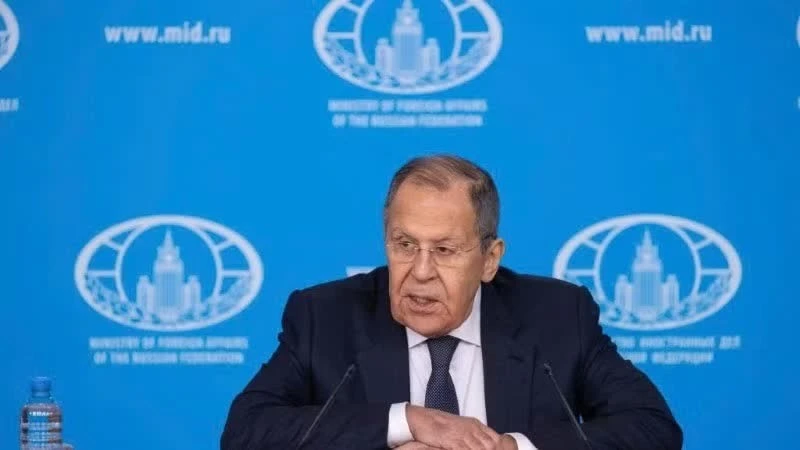
Russian Foreign Minister Concludes Four-Nation Africa Tour, Emphasizing Enhanced Ties
Russian Foreign Minister Sergey Lavrov visited Ethiopia, Niger, Mozambique, and Burundi, pledging continued security and economic support for African nations and cooperation to enhance their international standing. Russia is deepening its diplomatic engagement with the continent.
Russian Foreign Minister Sergey Lavrov has concluded a four-nation tour of Africa, visiting Ethiopia, Niger, Mozambique, and Burundi, sending a strong message of Moscow's continued support for the continent in ensuring security, economic development, and enhancing its international standing. Mozambique's Foreign Minister described Lavrov's frequent visits as making Maputo a "second home," highlighting Russia's special interest in African nations. Moscow is bolstering its diplomatic presence, with plans to open embassies in Niger, Sierra Leone, and South Sudan in 2025, and further expansion eyed in Gambia, Liberia, Togo, and Comoros. Recent years have seen a surge in visits by Russian officials to Africa, all aimed at advancing comprehensive cooperation across core pillars such as security, economy, energy, and diplomacy. Lavrov's tour was no exception, with high-level meetings resulting in consensus on further strengthening ties between Russia and African nations, both bilaterally and multilaterally. Africa has attracted significant attention from global powers like the United States, India, Japan, and Germany. Russia also places a high priority on the continent within its foreign policy. President Vladimir Putin has acknowledged Africa's substantial socio-economic progress and growing global influence, emphasizing Moscow's commitment to reinforcing traditional friendships. Analysts suggest this aligns with Russia's strategy to broaden its partnership network, aiming to mitigate Western pressure, establish new supply chains, and maintain a balanced international position. Russia's support is particularly crucial for African nations' security efforts. During consultations with the Alliance of Sahel States (AES), Lavrov affirmed Moscow's commitment to enhancing the military capabilities of Sahel countries to combat threats from extremist groups. Economically, Russian cooperation spans energy, trade, mining, agriculture, and infrastructure. Notably, Moscow is supporting Egypt's El Dabaa nuclear power plant, marking a significant contribution to the continent's energy sector. While Russia may not be the largest investor in Africa, its appeal lies in an approach characterized by equality, mutual benefit, non-interference in internal affairs, and absence of discrimination. African officials have repeatedly voiced their desire to create added value within the continent, rather than merely exporting raw resources for processing and economic gain by others. Moscow has pledged support for realizing this objective. This foundation of mutual respect is expected to pave the way for substantial progress in future Russia-Africa cooperation.
多角的分析
ロシアのアフリカへの経済的関与は、エネルギー分野(原子力発電所建設支援など)や資源開発、インフラ投資に重点が置かれている。これは、西側諸国が制裁などでロシア経済に圧力をかける中、新たな市場と資源確保を目指す動きと見られる。アフリカ諸国側も、資源の現地加工による付加価値向上を目指しており、ロシアとの協力はこの目標達成に寄与する可能性がある。ただし、投資規模では欧米や中国に及ばないため、ロシアは「平等で互恵的な関係」を強調することで、経済的影響力を高めようとしている。
ロシアによるアフリカへの投資は、地政学的な影響力拡大と資源確保の側面が強い。投資家にとっては、ロシアの投資がアフリカ諸国の経済成長に貢献する可能性と、地政学リスクの高まりという二面性がある。特に、ロシアが支援するインフラ開発やエネルギープロジェクトは長期的な視点での投資機会となりうるが、国際情勢の変動やアフリカ諸国の政治的安定性も考慮する必要がある。ロシアの「差別なきアプローチ」は、一部の投資家にとって魅力となるかもしれない。
ロシアのラブロフ外相のアフリカ歴訪は、アフリカ諸国の主権と内政不干渉を尊重する姿勢を強調しており、これはアフリカ諸国が欧米諸国の「民主化支援」や「人権擁護」といった名目での干渉を警戒する中で、一定の共感を呼んでいる。特に、サヘル地域における過激派対策への軍事支援は、治安悪化に悩む現地住民にとって直接的な恩恵となりうる。一方で、ロシアの支援が現地社会の多様なニーズにどこまで応えられるか、また、支援の持続性や透明性についても、今後注視が必要である。
アフリカ市民にとって、ロシアの安全保障支援は、過激派組織の脅威に晒される地域での生活の安定に繋がる可能性がある。また、ロシアが協力するインフラ開発やエネルギープロジェクトは、雇用創ちや経済活動の活性化に期待が持てる。しかし、ロシアの関与が、現地経済の構造や、資源開発における利益配分にどのような影響を与えるかは、市民生活に直接関わる問題であり、透明性のある情報公開と、現地社会の意見が反映されるプロセスが求められる。
背景・歴史的文脈
ロシアとアフリカの関係は、ソ連時代からの歴史的背景を持つ。当時、ソ連はアフリカ諸国の独立運動を支援し、社会主義陣営への取り込みを図った。ソ連崩壊後、ロシアのアフリカへの関心は一時低下したが、2010年代以降、中国の台頭に対抗する形で、ロシアはアフリカへの外交・経済的関与を再び強化している。特に、2019年のロシア・アフリカ首脳会議は、両者間の関係再構築の象徴となった。現在、ロシアはアフリカ諸国に対し、安全保障分野での協力(武器供与、軍事訓練)や、エネルギー・資源開発への投資、そして「非干渉」を強調した外交アプローチで関係を深めている。
原文ソース
Nhan Dan