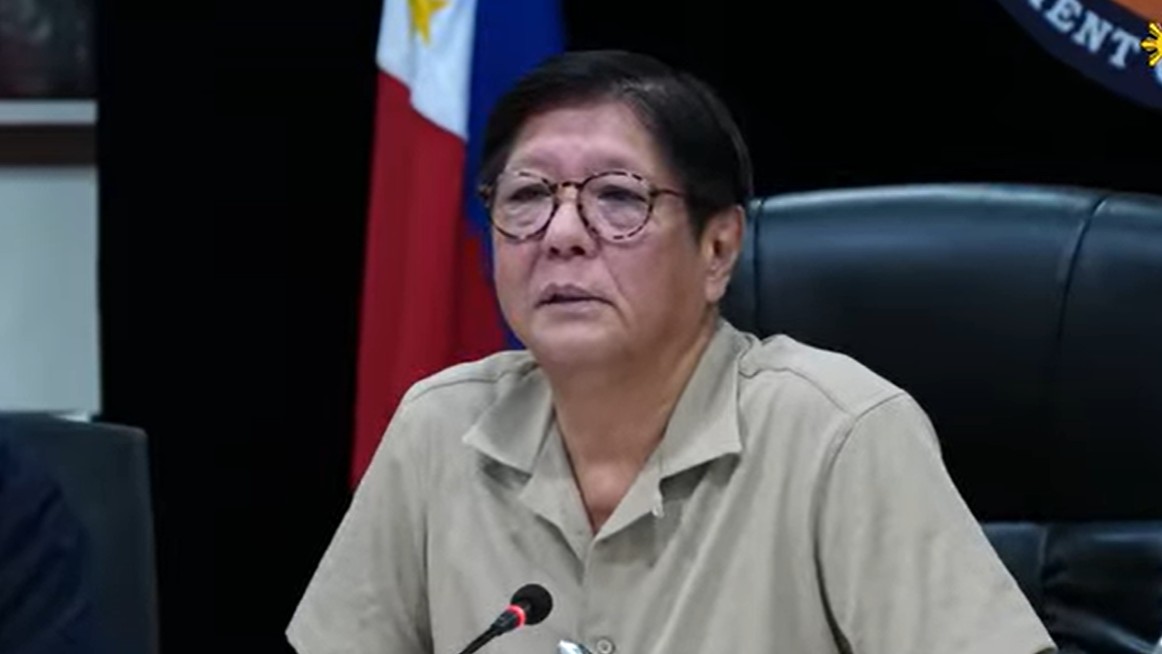
Marcos Orders Preemptive Evacuation Ahead of Super Typhoon Bavi
President Ferdinand "Bongbong" Marcos Jr. has ordered preemptive evacuations and the pre-positioning of rescue and relief resources in anticipation of Super Typhoon Bavi's potential impact on the Philippines. A whole-of-government approach is being mobilized.
This article requires PRO
This article is outside the free access window or is a special report. PRO unlocks it and the full archive.
Related articles
- Pangilinan Questions Cale88 Ownership Change Amid P1.25B Transactions
Senator Francis Pangilinan questioned the ownership change of Cale88 Foods Corp., citing Anti-Money Laundering Council (AMLC) records allegedly showing over ₱1.25 billion in transactions from 2022 to 2025. He also referenced testimony that lawyer Manases Carpio, husband of the Vice President, held 47.5 percent of the company's shares.
- SolGen Urges SC to Uphold Law Rescheduling Barangay Elections
The Philippine Solicitor General's Office has asked the Supreme Court to dismiss a legal challenge against Republic Act No. 12326, which rescheduled local elections and extended terms to five years. The government argues Congress acted constitutionally, citing potential cost savings and administrative stability.
- Chinese state firms sent funds to firm linked to VP Duterte, says Senator
Senator Risa Hontiveros revealed that Chinese state-owned enterprises allegedly sent P319.33 million to a company linked to Vice President Sara Duterte-Carpio's husband, raising questions about the source of the funds and potential links to Beijing.
- Duterte-Carpio Denies Allegations of Illegal Cash Deliveries, Luxury Gifts
Philippine Vice President Sara Duterte-Carpio has strongly denied allegations of receiving illegal cash deliveries and luxury gifts, calling them fabricated political attacks. She presented travel records and official documents to refute claims made by a former security aide.