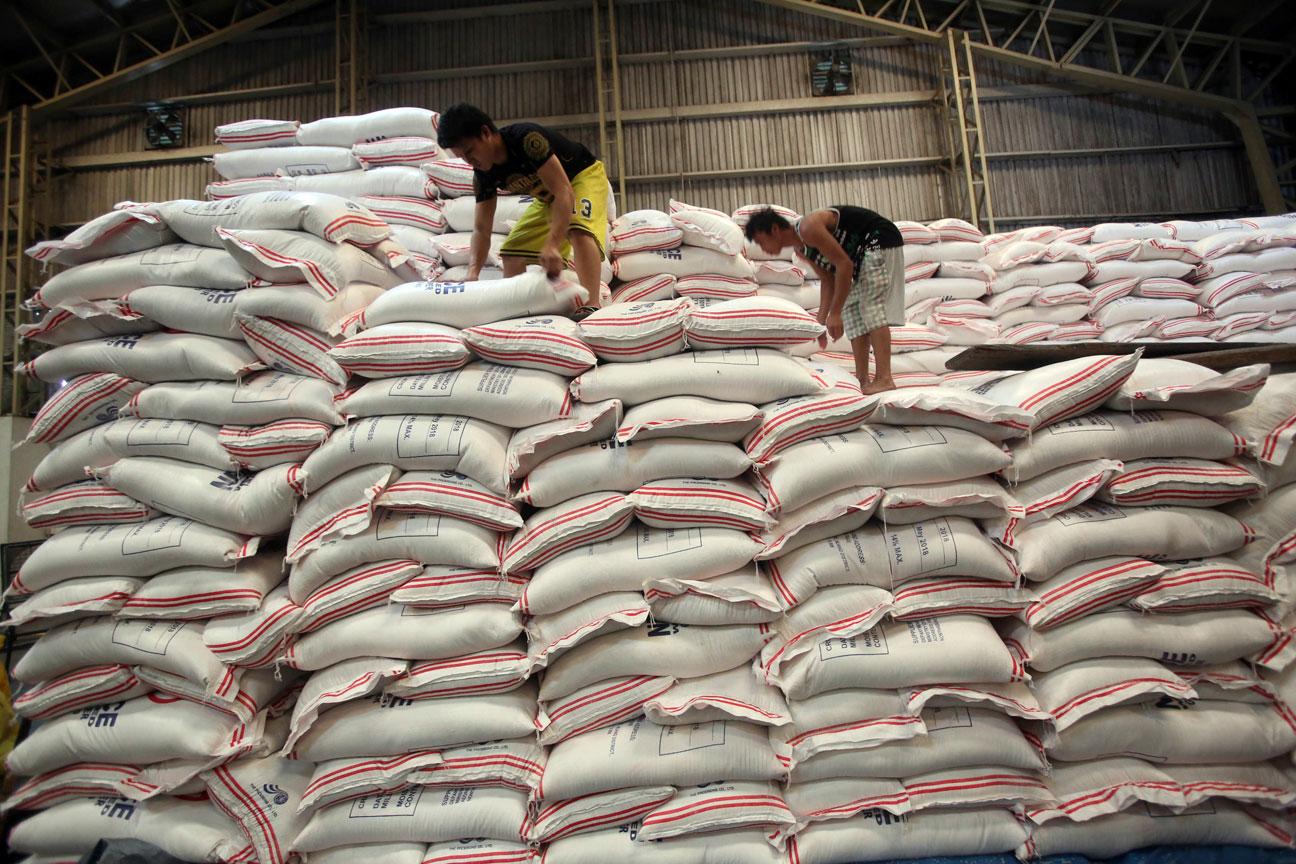
Philippines Seeks Quality Curbs on Imported Rice to Aid Local Farmers
The Philippines' Department of Agriculture is urging industry stakeholders to impose an informal ban on 5% broken imported white rice, aiming to protect local farmers from being undercut by cheaper, higher-quality foreign varieties.
The Department of Agriculture (DA) is seeking an "informal ban" on 5% broken imported white rice, urging industry stakeholders to restrict shipments to protect local farmers from being undercut by cheaper, higher-quality foreign rice varieties. The move aims to ensure domestic produce can compete in the market. In a chance interview on Thursday, Agriculture Secretary Francisco Tiu Laurel Jr. told reporters that he is actively leveraging appealing with industry stakeholders to restrict incoming shipments to lower-grade 25% broken rice, ensuring local produce can compete in the market. "Ang main reason kaya kinakatay ang ating local production ng imported is because maganda talaga ang kanilang bigas," he said. (The main reason why the local production is being undermined by imported is because foreign rice quality is better.) The Agriculture chief said he appealed to stakeholders to bring in nothing better than 25% broken rice ratio to the country, starting this month. "Kailangan mas pangit ang i-import natin para may laban 'yung ating local rice, while we make our local rice [better]," Tiu Laurel said. (We need to import lesser quality rice for our local rice to have a fighting chance, while we make our local rice better.) The Agriculture chief lamented that local millers and farmers simply cannot compete with the heavily subsidized and advanced production capabilities of neighboring exporters like Vietnam. Tiu Laurel said imported rice undergoes up to four stages of polishing and boasts a strict 5% broken grain ratio. In contrast, local processing typically undergoes only one round of polishing, resulting in a 25% broken ratio due to higher electricity and logistics costs. To bridge this gap, Tiu Laurel said he has directed the Philippine Rice Research Institute (PhilRice) to shift its focus toward distributing new seed varieties that yield both high volume and superior quality. The DA chief's move came as the Tariff Commission (TC) conducts an ongoing probe into potential safeguard measures such as increased tariffs or quantitative restrictions in a bid to prevent last year's crisis, when farmgate prices plummeted to as low as P8 to P12 per kilogram. Pending the TC's decision, Tiu Laurel said the DA is taking an immediate, "informal action" to stabilize local prices of palay or unmilled rice ahead of the critical mid-September to October harvest peak. Without explicit regulatory powers to legally block the importation of 5% broken rice varieties outright, the Agriculture chief said the DA is relying heavily on consensus among traders. "Yes, by pakiusap 'yan (Yes, that is an appeal)," Tiu Laurel said. "Kasi kung nagme-meeting kami, nandu'n 'yung farmer, nandu'n 'yung miller, nandu'n 'yung importer, trader… In principle, pumayag naman silang lahat," he added. (When we were having meetings with farmers, millers, importer, traders… In principle, they all agreed.) Tiu Laurel warned that without this temporary truce, industry players would merely lobby against each other, to the detriment of the entire agricultural sector. — VDV, GMA News
多角的分析
フィリピンの米市場におけるこの措置は、短期的な国内価格の安定化を目指す一方、長期的な食料安全保障と農業部門の持続可能性に影響を与える可能性がある。輸入米の品質低下は、消費者の購買力に影響を与える可能性は低いが、国内米の品質向上への投資が伴わなければ、国際市場での競争力低下を招くリスクがある。また、ASEAN地域における米の貿易慣行にも影響を与える可能性がある。
この動きは、フィリピンの米輸入業者にとっては短期的な収益機会の減少を意味する可能性がある。しかし、国内農産物の保護という政府の姿勢は、長期的に国内農業への投資を促進する可能性があり、関連する農業技術やインフラ分野への投資を検討する投資家にとっては機会となり得る。ただし、輸入規制の不確実性は、市場のボラティリティを高める要因となる。
砕米率5%の輸入米を制限する動きは、国内農家、特に小規模農家の生計を直接的に支援することを目的としている。彼らは、より安価で高品質な外国米との価格競争に苦しんでいる。この措置が成功すれば、農家所得の安定に繋がり、地方経済への波及効果も期待できる。しかし、消費者は、一時的に米の品質や価格に影響を受ける可能性があり、特に低所得者層の食料アクセスへの影響も懸念される。
この措置は、国内農家を支援し、米の国内生産を強化することを目的としています。しかし、砕米率5%の高品質な輸入米が制限されることで、消費者は、以前よりも米の品質が低下したり、価格が上昇したりする可能性に直面するかもしれません。特に、マニラ首都圏のような都市部では、物価上昇は家計に直接的な影響を与える可能性があります。農家は、より安定した収入を得られるようになるかもしれませんが、消費者は、食料品への支出が増えることを懸念するでしょう。
背景・歴史的文脈
フィリピンは伝統的に米を主食としており、国内生産の安定は食料安全保障の根幹をなす。しかし、近年の気候変動による収穫量の不安定化や、近隣諸国(特にベトナムやタイ)の高度な農業技術と政府の強力な支援による低価格・高品質な米の輸出攻勢により、国内農家は価格競争で劣勢に立たされてきた。2018年の米輸入自由化以降、この傾向は顕著になり、農家所得の減少や農村部の貧困化が社会問題化していた。昨年には、農家での米価がP8〜P12/kgまで暴落する事態も発生し、政府は対策を迫られていた。今回の措置は、こうした背景を踏まえ、国内生産者を保護し、米価の急落を防ぐための緊急的な対応策として位置づけられる。
原文ソース
GMA Money Philippines