General articles are free for 24 hours after publish.
Vietnam's 'Gà Gáy' Sticky Rice Gains Value with Geographical Indication Protection
Vietnam's traditional 'Gà Gáy' sticky rice from Phu Tho province has been granted geographical indication protection as 'Mỹ Lung'. This protection is expected to help preserve the rare variety and enhance the value of the specialty rice.
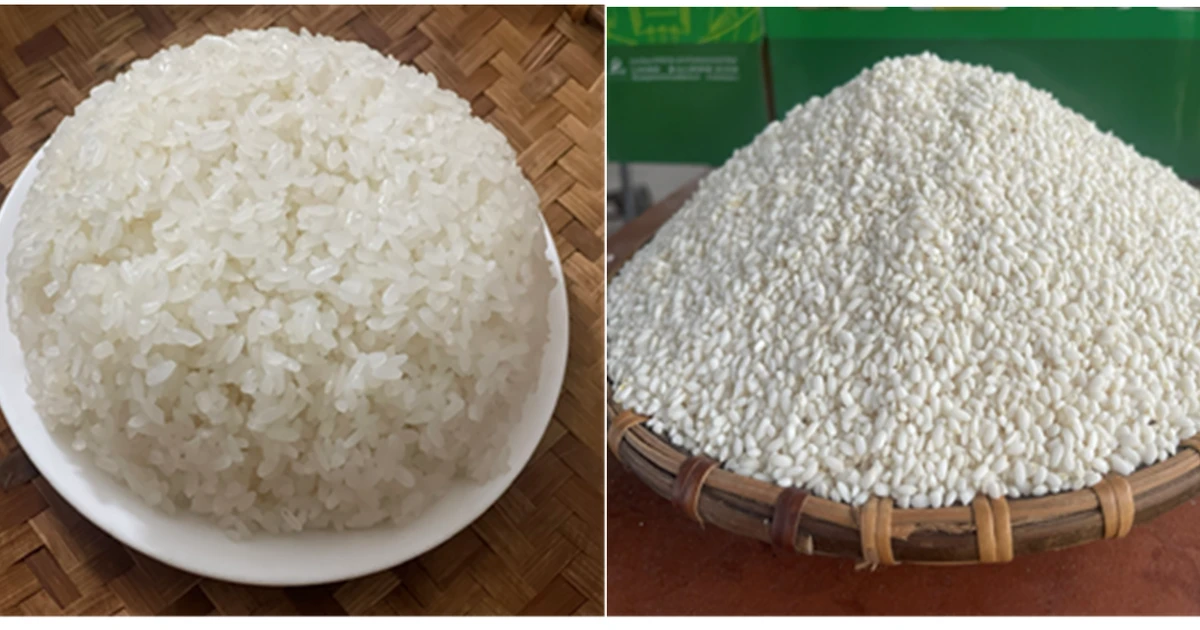
The traditional sticky rice variety 'Gà Gáy' from the Mỹ Lung area in Phu Tho province, Vietnam, has been granted geographical indication protection. This protection is expected to help preserve the rare variety, which was previously at risk of extinction, and enhance its value as a specialty product. 'Gà Gáy' boasts a long history, with its name originating from a legend during the Hung Kings' era. The story tells of a young daughter-in-law who, while busy with chores, hastily cooked sticky rice without sufficient soaking. To her surprise, the hurried dish turned out exceptionally fragrant and glutinous. When asked about the rice, she nervously called it 'gạo nếp gà gáy' (rooster's crow sticky rice). This simple name gradually became the identifier for the unique sticky rice variety in the Mỹ Lung region, deeply intertwined with the community's memories and cultural life for generations. This sticky rice, characterized by its long growth period, difficult cultivation, and manual harvesting, once faced the threat of disappearing as farmers shifted to shorter-day varieties. However, conservation and development efforts in the locality led to the establishment of the Mỹ Lung 'Gà Gáy' Rice Production and Business Cooperative. The cooperative now unites over 280 households cultivating more than 100 hectares. It serves as a hub for supplying seeds, organizing production areas, supporting post-harvest mechanization, and facilitating sales linkages. In 2010, 'Gà Gáy' Mỹ Lung rice was protected under a collective trademark. Subsequently, in 2022, it achieved a 4-star OCOP (One Commune One Product) rating. The recent geographical indication protection further solidifies the unique link between the product's quality and its place of origin. The geographical indication 'Mỹ Lung' can only be used by products that meet specific criteria regarding the production area, variety, growing conditions, and product quality. This mechanism enables consumers to identify the genuine origin and quality of the product, while providing a legal basis to prevent the exploitation of the specialty's name. According to the Phu Tho Department of Science and Technology, geographical indication protection contributes to enhanced competitiveness, expanded market reach, preservation of valuable genetic resources, and sustainable production development. Future plans include integrating 'Gà Gáy' rice with community-based tourism and promoting Muong culture. 'Gà Gáy' has evolved from a rice variety preserved through generations of experience to being protected by a collective trademark, recognized as an OCOP product, and now granted geographical indication protection. However, this certification is merely the beginning. The true value of the geographical indication will only be realized through continued varietal conservation, strict management of the cultivation area, consistent quality among producers, and stable sales channels. If these conditions are met, the name 'Mỹ Lung' will not only protect a specialty but also contribute to safeguarding the livelihoods, rice paddies, and cultural narrative of the Muong community in Phu Tho.
Original source
Nhan Dan