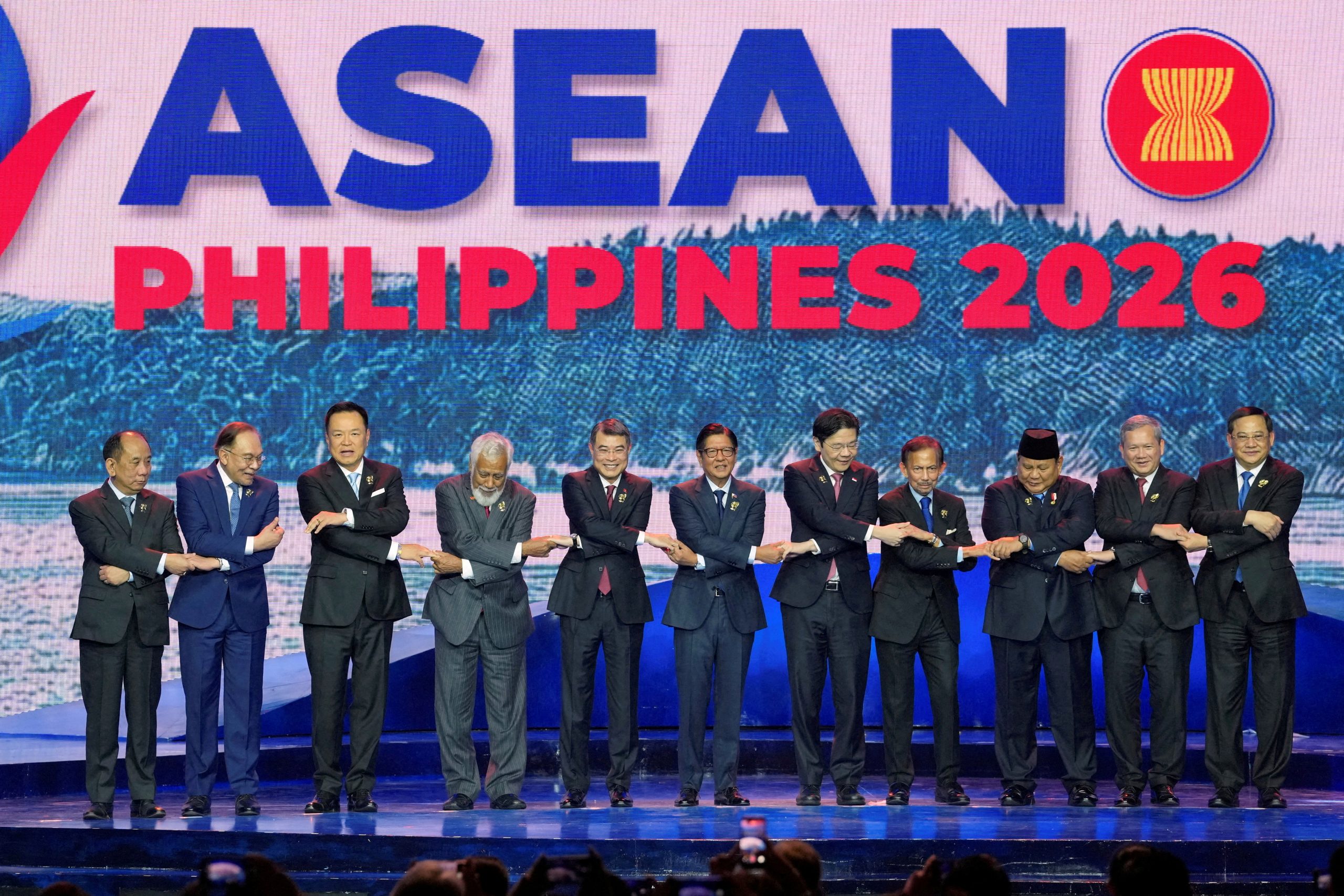
ASEAN to discuss engagement with Myanmar at special meeting, Philippines says
An upcoming meeting between foreign ministers of the Association of Southeast Asian Nations (ASEAN) and Myanmar’s regime Foreign Minister Tin Maung Swe will tackle the regime’s engagement with the regional bloc after be
This article requires PRO
This article is outside the free access window or is a special report. PRO unlocks it and the full archive.
Related articles
- Philippines says it will discuss relations with Myanmar at the ASEAN special meeting
July 10 The Philippines said on July 10 that the internal conflict in Myanmar and the relationship between ASEAN and Myanmar will be discussed in a special meeting of the ASEAN foreign ministers and the foreign ministers of the Myanmar military group. The meeting, which will be led by the Philippines, which is the rotating chairman of ASEAN this year, will be held on July 12 in Bangkok, Thailand. It will be the first face-to-face meeting between Myanmar's top diplomat and ASEAN foreign ministers since the 2021 military coup and subsequent conflicts removed Myanmar's military leaders from ASEAN summits.What? The Ministry of Foreign Affairs of the Philippines emphasized that Myanmar is still an important member of ASEAN, and said that this meeting will be an informal discussion, and as the foreign minister of the Myanmar military group, he will be able to explain the current situation in the country to other foreign ministers. The statement said, "They will exchange views on the relationship between ASEAN and Myanmar, as well as discuss the practical steps that Myanmar can take to stop violence, develop positive dialogue between relevant organizations, and provide humanitarian assistance." After the 2021 military coup, political instability in Myanmar worsened, and the internal armed conflict widened through the crackdown on protesters. International organizations estimate that 100,000 people have been killed and millions of people have fled their homes during the conflict. The Burmese military group has denied these accusations. The main reason why ASEAN removed the Burmese military group from the summit was that it failed to implement the Five-Point Consensus agreed upon after the military coup. This common agreement includes the reduction of violence and dialogue between the parties involved in the conflict. The post Philippines says it will discuss relations with Myanmar at the ASEAN special meeting appeared first on BUR.MIZZIMA.COM.