General articles are free for 24 hours after publish.
NLEX Flooding: A Test of Infrastructure Resilience Amid Climate Change
Heavy rains in late August caused flooding on a section of the North Luzon Expressway (NLEX), affecting millions of Filipinos. NLEX attributes the incident to infrastructure limitations and climate change impacts, emphasizing the need for comprehensive basin-wide solutions rather than single-party blame.
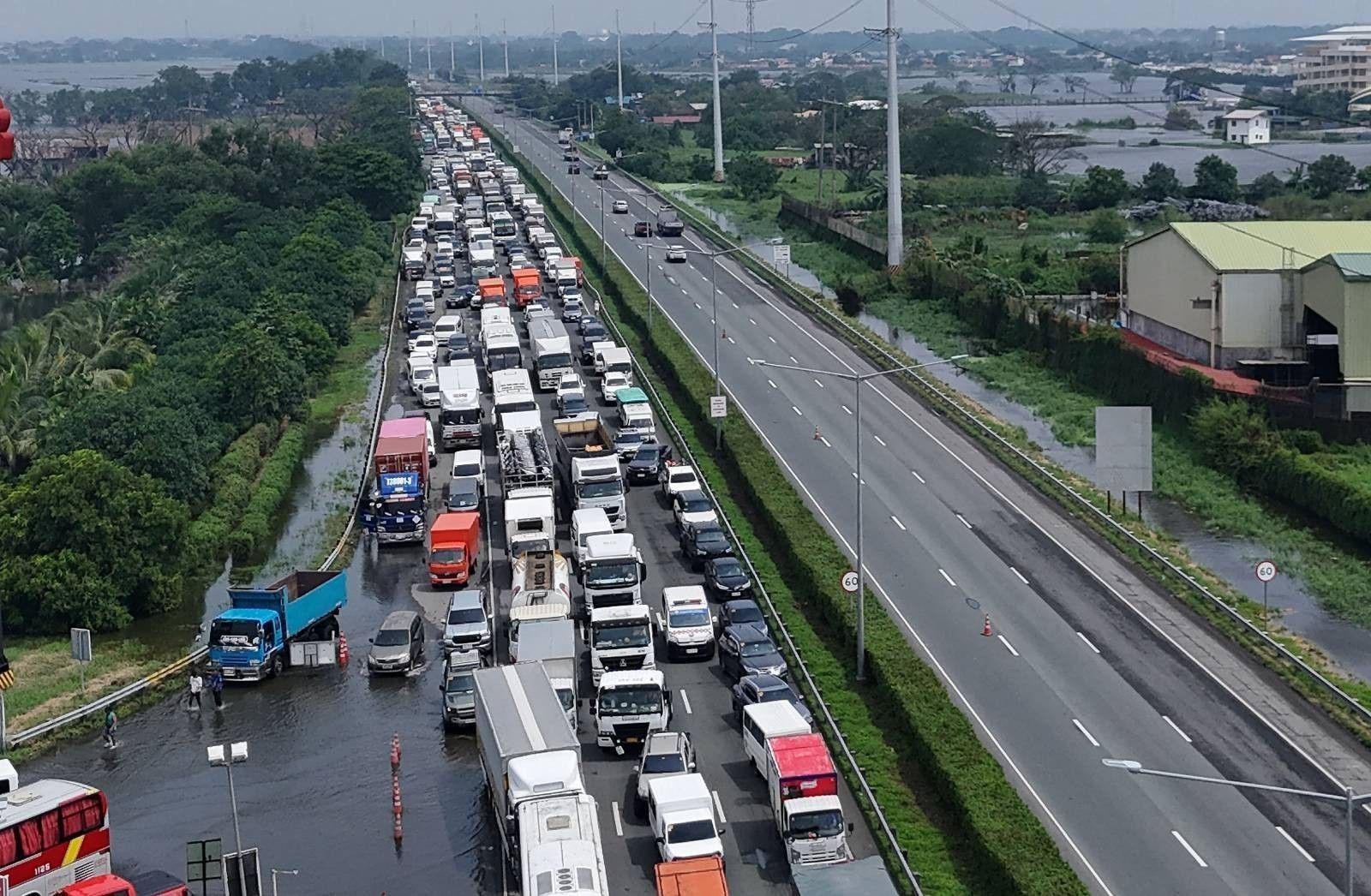
Heavy rains brought by the "habagat" (southwest monsoon) in late August triggered widespread flooding across the Philippines, affecting millions of citizens. Among the most visible impacts was the inundation of a section of the North Luzon Expressway (NLEX) in Pampanga, leading to hours of stranded motorists and highlighting the vulnerabilities of critical infrastructure. In response to the disruption near Tulaoc Bridge in San Simon, Pampanga, President Ferdinand R. Marcos Jr. directed NLEX to provide toll-free passage for affected motorists between Pulilan, Bulacan, and San Fernando, Pampanga. The road operator subsequently implemented this measure, waiving tolls for several days. NLEX clarified that the flooding was not caused by issues within the expressway itself but by the overflow of nearby river channels. The area, particularly San Simon, is situated within the Candaba floodplain, where rivers are prone to siltation, vegetation overgrowth, and structural encroachments. These factors, combined with intense rainfall, choked the natural water flow. The expressway operator has undertaken mitigation efforts, including dredging sections of the Tulaoc River adjacent to the expressway and installing sheet piles to prevent water ingress into the NLEX system. However, NLEX pointed out that downstream, the river's path to Manila Bay is severely obstructed by heavy silt, water lilies, mid-channel structures, and encroaching houses, hindering its capacity to carry water. NLEX suggested that a durable solution requires comprehensive dredging and restoring the river's natural carrying capacity, a task beyond the scope of a toll road operator alone. They also noted that raising the expressway further would merely relocate the flooding problem to nearby towns and initiate an endless cycle of road and overpass elevation. A more sustainable approach, they posited, would be a national infrastructure decision involving a viaduct extension across the floodplain. The company acknowledged that its initial judgment to keep the road partly open was an error and that its response was not adequate for the scale of the event. NLEX emphasized that the NLEX flooding incident is a complex issue, not solely attributable to one party, but a manifestation of infrastructure limitations confronting the escalating impacts of climate change. Reflecting on past cycles of floods, blame, and temporary solutions, NLEX stressed the need for a paradigm shift. They called for treating the river system with the same urgency as the road, advocating for a serious commitment to a dredging schedule, a viaduct extension, and sustained national government support to prevent future recurrences.
Original source
Philstar Business