General articles are free for 24 hours after publish.
Legarda Pushes Literacy as Core of Learning Recovery Efforts
Senator Loren Legarda highlighted literacy as central to the Philippines' learning recovery efforts on International Literacy Day, stressing the need to improve reading comprehension across all educational levels, particularly addressing challenges in higher grades.
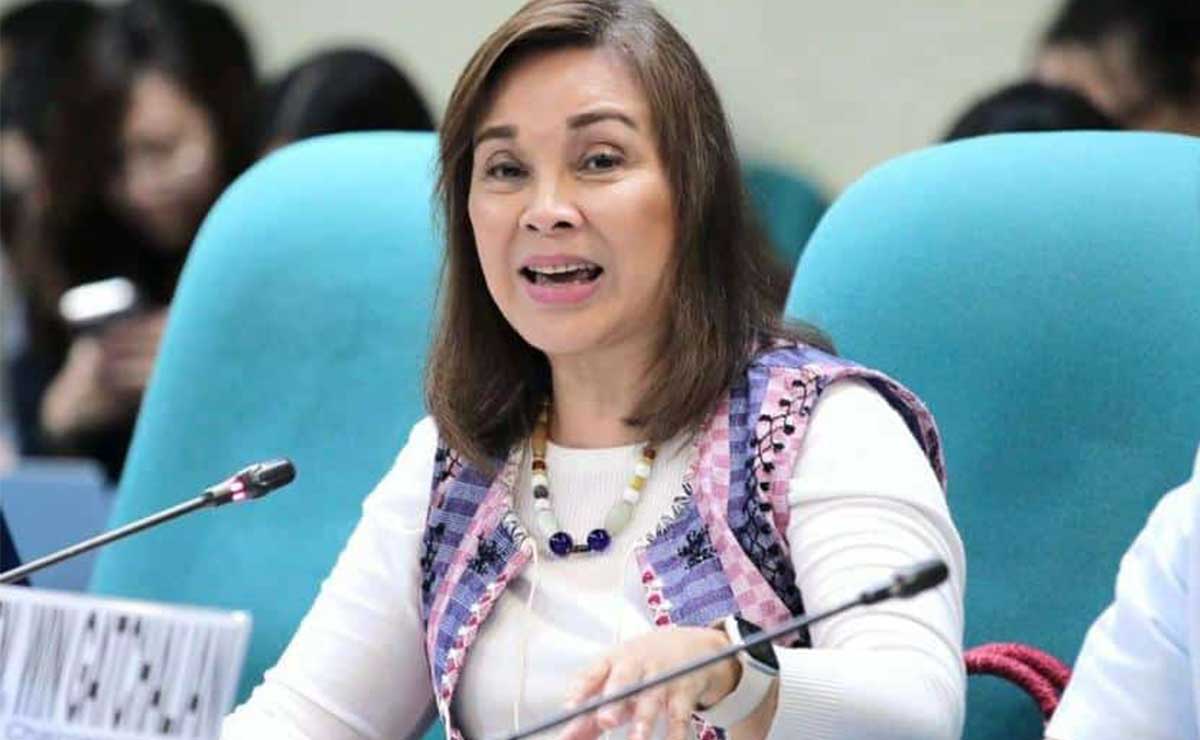
Senator Loren Legarda has put literacy at the center of the country’s learning recovery efforts, stressing that reading with understanding remains one of the strongest foundations of a child’s education and future opportunities. This comes as the nation observes International Literacy Day. "Learning starts with reading. When a child understands what they are reading, they are better able to keep up with lessons and learn independently. Therefore, our priority must be clear: to ensure that every Filipino child can read and understand," Legarda stated. Recent data from the Second Congressional Commission on Education (EDCOM II) indicate significant improvements in reading proficiency, yet also underscore the magnitude of the remaining challenge. At the start of School Year 2025–2026, an average of 40 percent of learners from Grades 1 to 10 were classified as struggling readers. By March 2026, the share of Grade Level Ready or independent readers had risen from 19 percent to 48 percent, a notable 29-percentage-point improvement. Despite these gains, one in every two learners remained below grade-level reading proficiency by the end of the school year. Legarda, who also serves as an EDCOM II commissioner, noted that these figures demonstrate that targeted interventions can enhance learning outcomes, but these improvements must be extended to more learners and sustained as they progress through the education system. EDCOM II also found that the challenge is particularly pronounced in the higher grades. In the Department of Education’s (DepEd) pilot Senior High School Literacy and Numeracy Assessment, only 12.58 percent of Grade 11 learners were classified as independent readers. This means that nearly 9 in 10 Grade 11 learners, approximately 87 percent, were not able to read independently, with 58.9 percent at the frustration level and 28.5 percent at the instructional level. "A child should not reach senior high school still struggling to comprehend what they are reading. Their reading foundation must be strong before lessons become more complex. Therefore, their needs must be identified and addressed early, and support must continue as they study," Legarda emphasized. She has advocated for reforms across the education system, including stronger support during the foundational years. Among the measures she has filed is Senate Bill No. 1853, the "K to 3 Foundational Learning and Nurturing Care Act," which aims to strengthen early language, literacy, and numeracy from Kindergarten to Grade 3 while aligning classroom learning with nutrition, health, social and emotional development, and responsive caregiving. Legarda stressed that addressing literacy gaps in the early years is critical to preventing learners from falling further behind as they move to higher grade levels and eventually prepare for college, technical-vocational training, employment, and other opportunities. "It is not enough for words to be read. A child must understand the message and be able to use what they read to learn and think. That is the literacy we need, one that gives a child the ability to learn, choose, and have more opportunities in life," Legarda said. International Literacy Day is observed annually on September 8. This year marks its 60th anniversary, under the UNESCO theme "Literacy for people, the planet and prosperity," highlighting the role of literacy in learning, inclusion, livelihoods, and broader opportunities.
Original source
Inquirer NewsInfo