General articles are free for 24 hours after publish.
China Airlines Enhances Services to Capture Vietnamese Market
China Airlines is comprehensively improving its services, from ground to air, to enhance the experience for Vietnamese passengers, building on over 60 years of history in the Vietnamese market. Efforts include increasing Vietnamese cabin crew and upgrading onboard amenities to boost customer satisfaction.
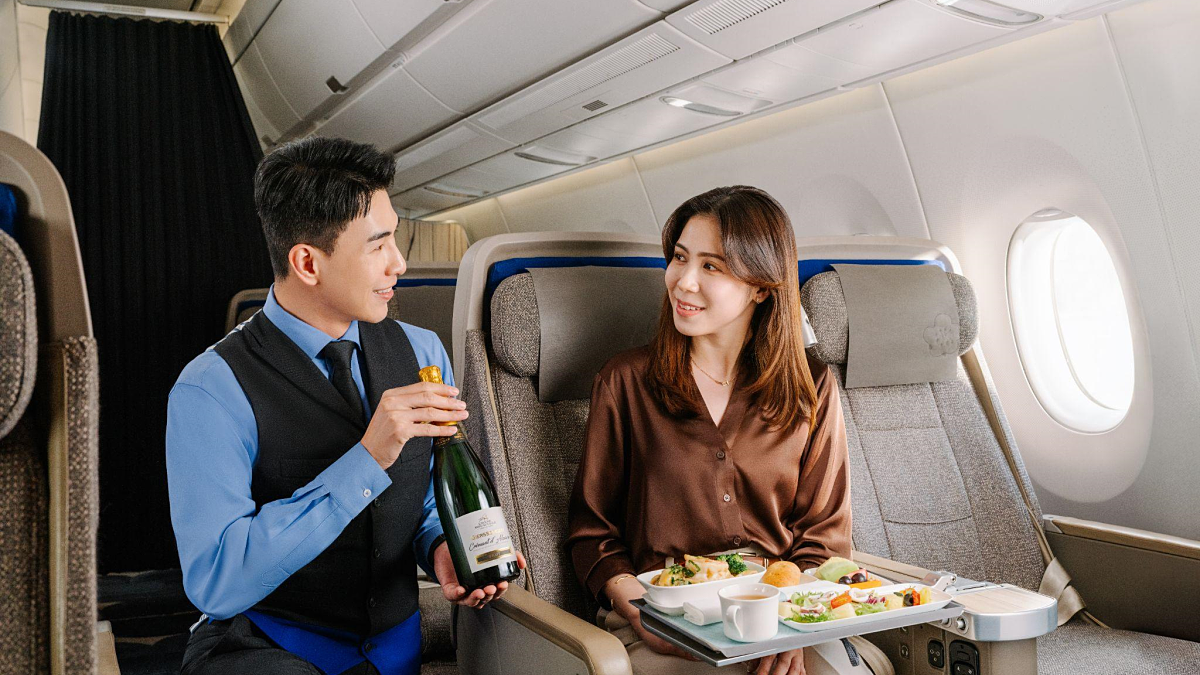
China Airlines is comprehensively enhancing its services, from ground to air, with the goal of improving the experience for Vietnamese passengers, building on its over six decades of development. The Taiwan-based airline maintains a customer-centric approach, emphasizing meticulous attention to detail throughout the passenger journey. This focus extends beyond onboard amenities to understanding and meeting the specific needs of various passenger groups. The airline began developing the Vietnamese market in 1966, with its first international flight connecting Taipei to Saigon, now Ho Chi Minh City. Since then, it has progressively expanded its network and maintained operations in Vietnam for decades. According to the company, stable operations and continuous service improvements form the foundation for China Airlines' long-standing partnership with generations of Vietnamese travelers. Currently, the airline operates flights from Hanoi, Ho Chi Minh City, and Da Nang, with transit at Taiwan Taoyuan International Airport before continuing to North America. Its network connects to seven gateways, including New York, Los Angeles, San Francisco, Seattle, Ontario (ONT), Phoenix, and Vancouver. The routes are optimized for transit times, reducing procedural burdens and enhancing comfort before long-haul flights. Through codeshare partnerships with reputable local airlines, China Airlines offers convenient connections to numerous domestic cities within the United States and Canada. Alongside its network, China Airlines is prioritizing the modernization of its fleet and cabin spaces. On its Airbus A350-900 aircraft, the interior design blends Oriental-inspired elements with wood details, lighting, and materials to create a relaxing environment for long journeys. The business class features fully flat-bed seats, ample storage, and a Sky Lounge area designed to enhance privacy and convenience. The airline also plans to introduce the new-generation Boeing 787 Dreamliner on regional and intercontinental routes, further elevating its fleet quality and onboard experience. These efforts have earned China Airlines numerous awards in the aviation and service sectors, including the TravelPlus Gold Award for its Business Class/Premium Economy Class amenity kits and the Onboard Hospitality Award for its inflight breakfast service. From its inaugural Taipei-Saigon route to its current network connecting Vietnam with North America, China Airlines continues to prioritize people, safety, and service quality in its journey to win over Vietnamese passengers. The airline's service extends throughout the entire journey, from the airport to the cabin, with its personnel playing a crucial role. Professionalism, dedication, and attentiveness are considered key factors in maintaining passenger connections. In the Vietnamese market, the airline has increased the number of Vietnamese flight attendants on routes from Hanoi, Ho Chi Minh City, and Da Nang to Taipei and connecting flights to North America. This team helps reduce language barriers and creates a sense of convenience, particularly for the elderly, children, and passengers undertaking long-haul flights for the first time. Passengers can check flight schedules and book tickets on the airline's website or by contacting China Airlines' ticket offices and authorized agents nationwide. Source: VnExpress
Original source
VnExpress