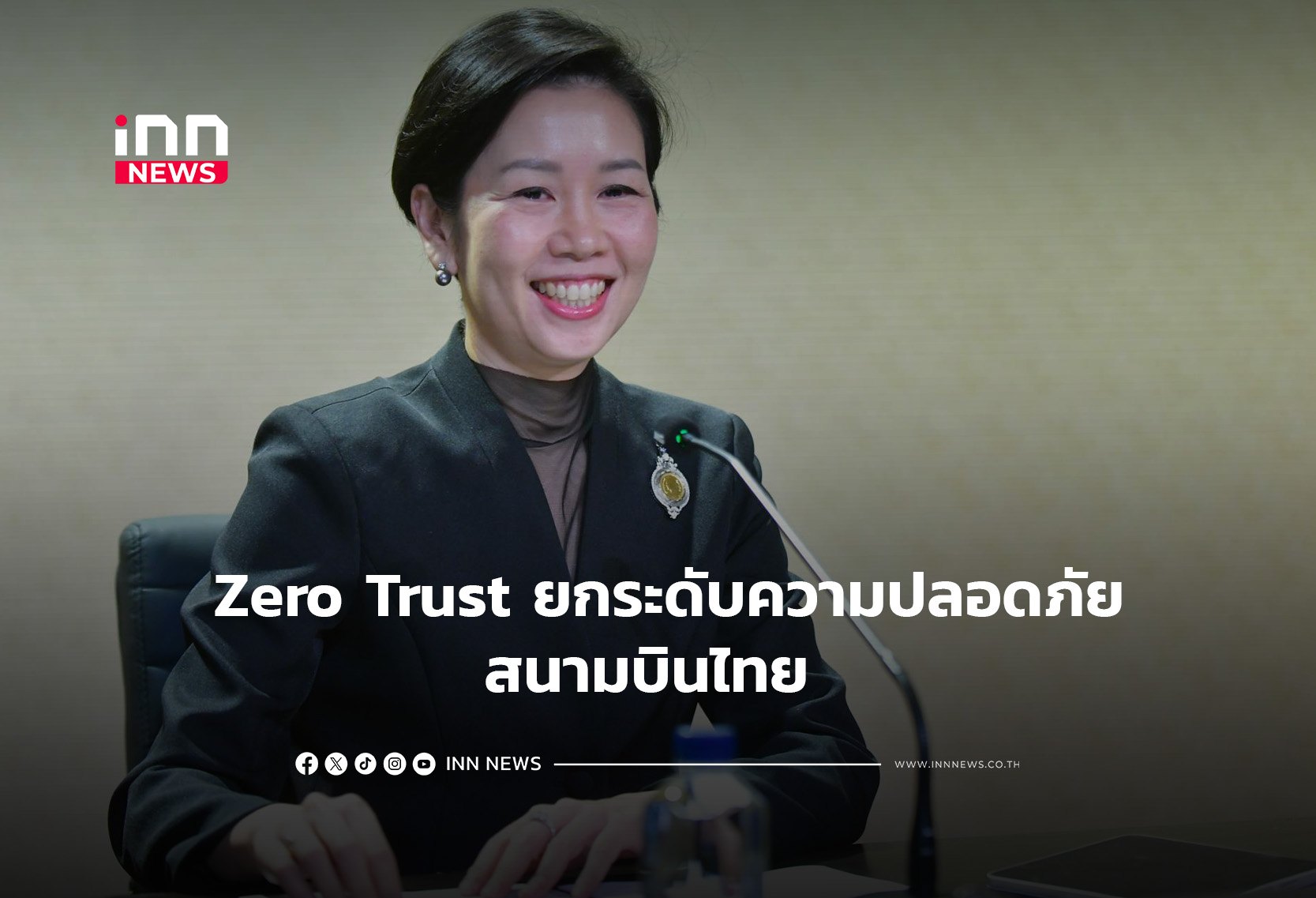
Thailand Enhances Airport Security with 'Zero Trust' to Combat Drug Smuggling
Following an incident involving airline staff in drug smuggling, the Thai government is significantly strengthening airport security measures. The 'Zero Trust' principle will be newly implemented, applying the same strict screening standards as passengers to all airline personnel. Increased K9 unit deployment and enhanced gate screening are also planned to prevent the flow of illicit drugs.
The Thai government is set to significantly strengthen security measures at its airports following an incident involving airline personnel in drug smuggling. A key initiative is the adoption of the 'Zero Trust' principle, which mandates that all airline crew, pilots, staff, and related personnel undergo the same rigorous screening as general passengers, with no exceptions. This move comes in response to the arrest of a Thai flight attendant in Australia on drug smuggling charges. Prime Minister Srettha Thavisin has been closely monitoring the situation and emphasized the need to review the entire air travel security screening system, rather than viewing it as an isolated incident. According to a report submitted to the Prime Minister by the Deputy Minister of Transport, Patarapong Phatrapadit, aviation authorities and security agencies are preparing to implement stricter protocols. This follows a joint meeting convened by the Civil Aviation Authority of Thailand (CAAT) with relevant bodies, including the Customs Department, the Office of the Narcotics Control Board (ONCB), Airports of Thailand Public Company Limited (AOT), and Thai Airways Public Company Limited, to define immediate and long-term operational guidelines. Key measures to be strictly enforced include: 1. Zero Trust Implementation: Crew, pilots, airline staff, and associated workers will be screened under the same standards as general passengers, without any exceptions. 2. Increased K9 Unit Deployment: The frequency of K9 unit inspections for both inbound and outbound flights will be increased, particularly on routes or during periods identified as high-risk. 3. Enhanced Gate Screening: For destinations or routes requiring exceptionally strict measures, an additional screening layer will be implemented at the boarding gate to ensure no illegal items are carried by passengers, crew, or in baggage. 4. Stricter Background Checks: Thorough checks of criminal records and drug use history will be conducted for personnel working in passenger terminals, cargo terminals, warehouses, and controlled areas. 5. Improved Intelligence Coordination: Enhanced intelligence sharing will be fostered between the Ministry of Transport, Ministry of Justice, police, customs, ONCB, and other security agencies. This will shift screening from solely relying on checkpoints to a collaborative approach involving data analysis and risk assessment. In the longer term, relevant agencies plan to develop more robust screening and tracking systems, incorporating Advance Passenger Information (API), Biometrics, database integration, and training for screening officers on evolving smuggling tactics. The operational side is confident these actions will significantly improve detection and deterrence capabilities. The government reiterated its commitment to combating drug trafficking through border interdiction, disrupting networks, and closing loopholes in the transportation system. The recent crackdown from April 1 to June 10, 2024, resulted in the seizure of 59,609 drug cases, with 61,685 suspects arrested and substantial quantities of methamphetamines, ice, heroin, and ketamine confiscated, underscoring the government's firm stance. Information source: INN News
多角的分析
空港の安全対策強化は、物流コストの上昇や、厳格化された手続きによる一時的な遅延を引き起こす可能性がある。しかし、薬物密輸の阻止による国際的な信頼回復は、観光客の増加や、タイをハブとした物流網の安定化に長期的に寄与すると考えられる。特に、輸出入に関わる企業にとっては、不正薬物によるサプライチェーンのリスク低減が期待できる。
今回の措置は、タイの空港運営会社や航空会社にとって、初期投資や運用コストの増加要因となりうる。しかし、国際社会からの信頼向上は、航空需要の回復や、タイへの投資誘致にプラスに働く可能性がある。特に、安全保障分野への投資や、先進的なセキュリティ技術導入への関心が高まることも予想される。
空港職員への「ゼロトラスト」原則適用は、彼らのプライバシーへの懸念を生む可能性がある一方で、不正行為への抑止力として機能する。また、K9による検査頻度増加は、乗客の待ち時間増加につながる可能性もあるが、不正薬物の流入を防ぎ、一般市民の安全を守るための必要な措置と受け止められるだろう。特に、薬物問題が深刻化する地域社会にとっては、政府の断固たる姿勢は歓迎されるだろう。
空港職員に対する「ゼロトラスト」原則の導入は、一部の職員にとっては職務上のストレス増加や、プライバシーへの懸念につながる可能性がある。一方で、一般市民にとっては、空港の安全が強化されることで、薬物密輸のリスクが低減し、より安心して旅行や業務に臨めるようになるという恩恵が期待できる。特に、薬物問題の深刻化を懸念する声は根強く、今回の対策はこうした不安を和らげる一因となるだろう。
背景・歴史的文脈
タイにおける薬物密輸問題は、国境を接するミャンマー、ラオス、カンボジアからの流入が長年の課題となっている。特に、ゴールデントライアングル地域は、歴史的にアヘン栽培と密輸の温床となってきた。近年の覚醒剤(ヤーバー)の大量密造・密輸は、タイ国内の若年層への浸透も深刻化させており、社会問題となっている。政府はこれまでも国境警備強化や麻薬取締り活動を行ってきたが、国際的な航空網を利用した密輸ルートの遮断は、引き続き重要な課題である。
原文ソース
INN News