Ho Chi Minh City to Build Automated Parking Towers to Tackle Space Shortage
Infrastructure
2026年7月14日
5
VnExpress International

Ho Chi Minh City to Build Automated Parking Towers to Tackle Space Shortage

AI サマリー

Vietnam's most populous city, Ho Chi Minh City, plans to construct automated parking towers by 2026 to address a severe shortage. The initiative aims to encourage public transport use and alleviate urban congestion.

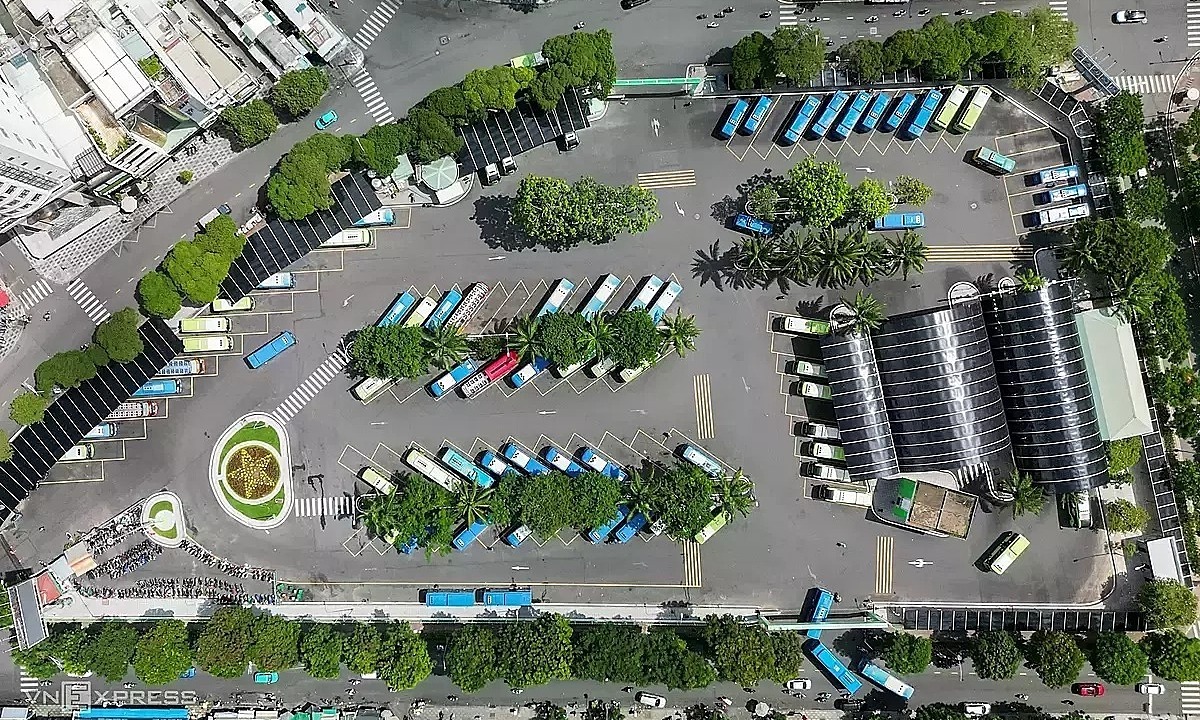
Ho Chi Minh City, Vietnam's most populous city, plans to construct automated parking towers by 2026 to address a severe shortage of space in its crowded urban core. The initiative aims to encourage the use of public transport and alleviate congestion. The city's Department of Construction has proposed building two automated towers at Cho Lon bus station (zones A and B) in the Chinatown area, one at Saigon bus station in the downtown Ben Thanh Ward, and another at Tan Phu bus station in the northwestern outskirts. Each site will feature a 28-meter automated car tower capable of holding 50 vehicles and a seven-story automated tower for 120 motorbikes, on a 250-square-meter footprint. These modular structures will operate with automated controls, AI-powered license plate recognition, and a built-in fire suppression system. The preliminary cost for each tower is estimated at VND20 billion ($760,000). Central Ho Chi Minh City had previously planned four underground parking lots with capacity for approximately 6,300 cars and 4,000 motorbikes, but these projects were never realized. The department stated that the above-ground towers would help ease the current shortage, which has led to cars being parked on sidewalks and roadsides, and would incentivize drivers to park at stations and complete their journeys by bus. According to municipal authorities, the city has only developed about a fifth of its planned parking capacity, leaving a deficit of over 900 hectares against a target of nearly 1,200 hectares. Similar modular automated lots are already operational at the Mien Dong and Mien Tay coach terminals, as well as at Tan Son Nhat Airport. Separately, the department has proposed an investment of approximately VND80 billion ($3 million) to upgrade bus infrastructure, including repairing or replacing stop poles at 800 sites, renovating around 80 shelters, and installing cameras and electronic information boards. This infrastructure work is slated for completion in the fourth quarter of 2026. Ho Chi Minh City's population exceeded 14 million residents last year after absorbing neighboring Binh Duong and Ba Ria-Vung Tau provinces, highlighting the growing pressure on its urban infrastructure.

多角的分析

経済的影響

ホーチミン市の駐車場不足は、急速な都市化と自動車・バイク保有率の増加という経済成長の歪みを示している。今回の自動化タワー建設は、限られた都市空間を効率的に活用し、不動産開発の新たな形態として経済効果を生む可能性がある。しかし、初期投資の回収や維持管理コスト、そして市民の利用料金設定が、プロジェクトの経済的持続可能性を左右する要因となるだろう。ベトナム経済の成長鈍化懸念がある中で、インフラ投資の是非は慎重な判断が求められる。

投資家心理

このプロジェクトは、都市インフラ開発への投資機会を提供する。自動化技術やAIの導入は、スマートシティ構想の一環として、将来的な技術革新への期待感も抱かせる。しかし、ベトナムのインフラプロジェクトは、しばしば官僚的な手続きや土地収用の遅延といったリスクを伴う。投資家は、プロジェクトの進捗状況、技術的な実現可能性、そして将来的な収益性について、綿密なデューデリジェンスを行う必要がある。特に、類似プロジェクトの過去の成功・失敗事例の分析が重要となる。

社会的影響

ホーチミン市の駐車場不足は、市民の日常生活に直接的な影響を与えている。路上駐車による交通渋滞の悪化や、駐車スペースを巡るトラブルは、市民の不満を高める要因となっている。自動化タワーの建設は、これらの問題を緩和する可能性がある一方で、利用料金の設定によっては、一部の市民にとって負担となることも考えられる。また、公共交通機関への移行を促すという目的が、どの程度達成されるかは、バス網の利便性向上や市民の意識変革にかかっている。特に、Z世代の若者層が、自動車・バイク依存から公共交通機関へとシフトするかどうかが注目される。

市民の声

ホーチミン市の市民は、日常的に深刻な交通渋滞と駐車スペースの不足に直面している。特に、バイクの保有率が非常に高いベトナムでは、バイクの置き場所の確保が大きな問題となっている。今回の自動化タワー建設は、一見、これらの問題を解決する光明のように見えるが、利用料金が庶民にとって高すぎないか、そしてタワーが建設される場所が、自宅や職場からアクセスしやすいかなど、多くの市民が具体的な利便性や経済的負担について懸念を抱いている。公共交通機関への誘導も、バスの運行頻度や路線網が改善されなければ、絵に描いた餅となる可能性もある。

背景・歴史的文脈

ホーチミン市は、ベトナム経済の中心地として、1986年のドイモイ政策以降、急速な経済成長と人口増加を経験してきた。特に、自動車・バイクの普及は目覚ましく、都市部での交通インフラ整備が追いついていない状況が長年続いている。過去には地下駐車場建設計画も浮上したが、地質や資金調達の問題で頓挫した経緯がある。今回の自動化タワー計画は、限られた都市空間を最大限に活用し、スマートシティ化を目指すベトナム政府の意向を反映したものである。しかし、一党体制下での開発は、しばしば計画の遅延や非効率性を招くという指摘もあり、その実行力と市民生活への影響が注視される。

原文ソース

VnExpress International

原文を読む