General articles are free for 24 hours after publish.
Cebu Air Quality 'Very Unhealthy' Amid Haze, Slight Improvement Noted
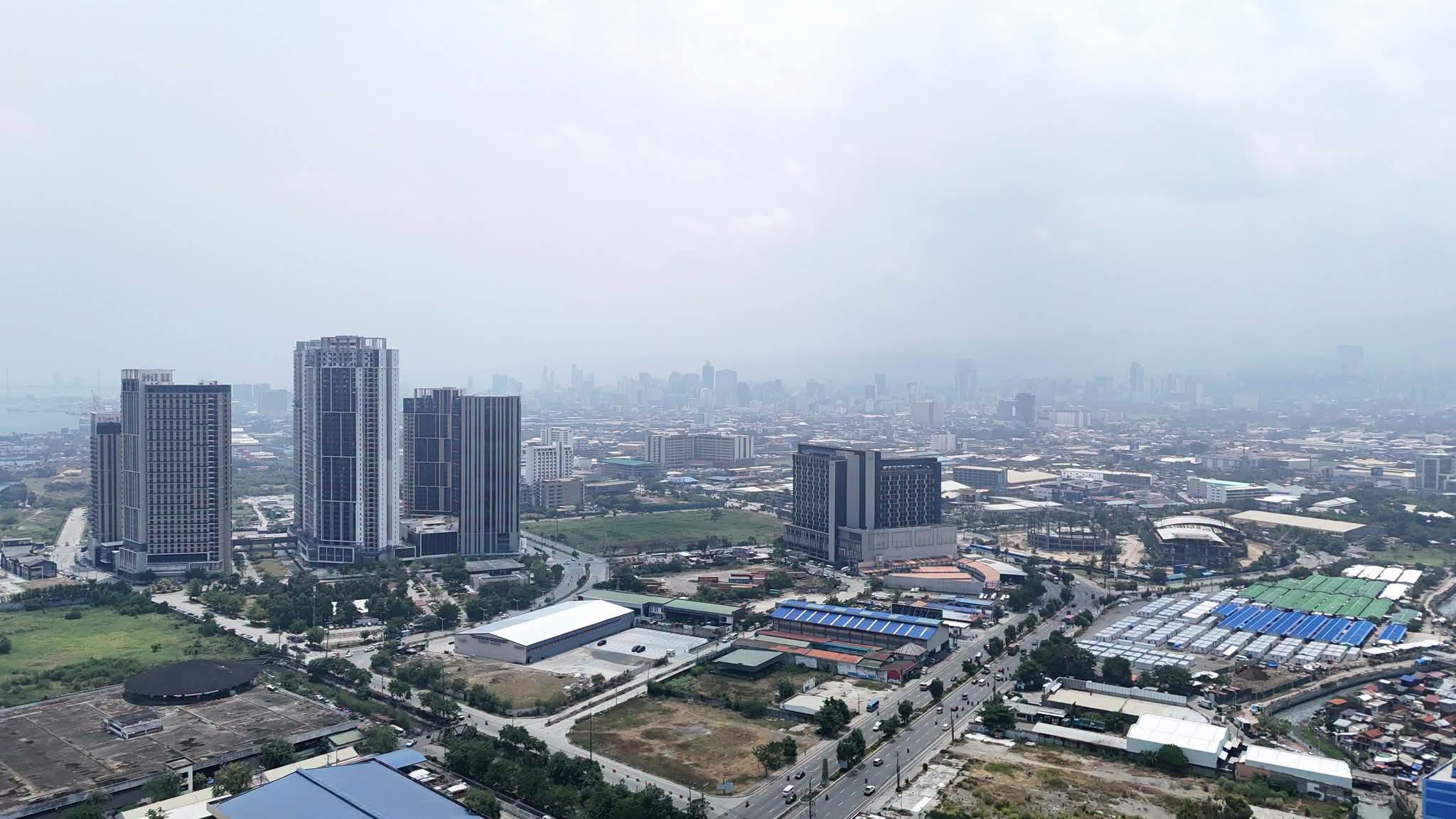
Haze from Indonesia continues to affect Central Visayas, with Metro Cebu recording 'very unhealthy' air quality, though levels have slightly improved. This has led to the continued suspension of in-person classes in several areas.
CEBU CITY, Philippines — Classes remained suspended in several parts of Cebu on Friday as haze continued to blanket parts of Central Visayas, with Metro Cebu recording “very unhealthy” air quality despite a slight improvement in pollution levels. The Metro Cebu monitoring station recorded an Air Quality Index (AQI) of 197 as of 11 a.m. on Friday, down from Thursday’s peak of 252, according to the Environmental Management Bureau in Central Visayas (EMB-7). The reading remained within the “very unhealthy” range, prompting Cebu City, Talisay, Lapu-Lapu and Carcar cities, and the municipality of Minglanilla to extend the suspension of in-person classes for Friday. In-person classes were first suspended on Wednesday. READ: Forest fire-linked haze still present in Palawan, areas in Visayas, Mindanao EMB-7 said it continued to monitor ambient air quality to determine the extent and potential health impacts of the haze, which authorities said may have been caused by smoke from wildfires in Indonesia’s Kalimantan and Sumatra regions carried toward the Philippines by prevailing winds. The Department of Health in Central Visayas (DOH-7) placed the region on heightened alert and directed hospitals to prepare for a possible increase in patients with respiratory complaints. Hospitals were also instructed to maintain priority lanes and adequate supplies of respiratory medicines, including bronchodilators. READ: Unhealthy air quality blanketing eight areas – DENR No haze-related respiratory illnesses had been reported in Central Visayas as of Friday, health officials said. In Bohol, the municipal government of Bilar suspended classes in kindergarten, elementary and secondary schools, both public and private, starting Sept. 3 until further notice because of worsening air quality. The Tagblogan City Disaster Risk Reduction and Management Office earlier reported a PM2.5 reading of 48.7 as of 7:45 a.m. on Sept. 3, placing the city in a cautionary zone. Residents were advised to avoid heavy-traffic areas, wear protective masks and postpone unnecessary trips. Those with heart and respiratory conditions were encouraged to stay indoors. The EMB-Central Office said that, as of noon on Friday, air quality had improved in most areas of the Visayas and Mindanao. However, Iloilo City and La Castellana in Negros Occidental, Iligan City and Butuan City remained at levels considered “unhealthy for sensitive groups.” “Very unhealthy” conditions were recorded in Talisay City, Cebu; Koronadal City, South Cotabato; and Cabadbaran City, Agusan del Norte. Meanwhile, the Department of Education (DepEd) said it was closely monitoring the impact of the haze on schools, learners and personnel nationwide. DepEd’s Disaster Risk Reduction and Management Service was coordinating with field offices and conducting validation in areas where elevated PM2.5 levels could pose health risks. Schools were advised to limit prolonged outdoor activities, reduce outdoor exposure of vulnerable learners and personnel, and require well-fitting N95 masks or equivalent protection when outdoor activities could not be avoided. They were also told to keep doors and windows closed when haze was noticeable and monitor official advisories from the Department of Environment and Natural Resources-EMB and DOH. DepEd clarified that a “very unhealthy” AQI of 151 to 200 does not automatically trigger class suspension. Localized measures may be adopted depending on actual conditions. Suspension of in-person classes becomes a decision of the local chief executive when air quality reaches the “acutely unhealthy” range of 201 to 300. Automatic suspension applies when pollution reaches the “emergency” level of 301 to 500. The National Disaster Risk Reduction and Management Council has directed concerned agencies to continue monitoring and implement precautionary measures based on local conditions. —WITH REPORTS FROM HAZEL P. VILLA, AND LEO UDTOHAN
Original source
Inquirer NewsInfo