Philippines DA Proposes P220-B Budget for 2027
Economy
2026年7月5日
4
BusinessWorld Economy

Philippines DA Proposes P220-B Budget for 2027

AI サマリー

The Philippine Department of Agriculture (DA) is proposing a P220-billion budget for 2027, significantly exceeding the indicative ceiling. Priorities include boosting livestock and dairy industries and reducing logistics costs, though fiscal space is a concern. The DA also faces scrutiny over commodity oversupply.

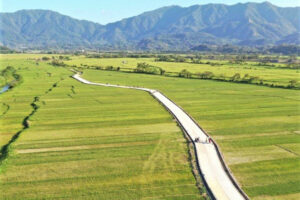
AGRICULTURE Secretary Francisco P. Tiu Laurel, Jr. announced that the Department of Agriculture (DA) is proposing a P220-billion budget for 2027. This figure significantly exceeds the department's indicative ceiling of P160 billion. Key priorities for the proposed budget include the Animal Competitiveness Enhancement Fund (AnCEF), which requires an annual allocation of P20 billion. The AnCEF aims to bolster the livestock, poultry, and dairy industries through funding for disease control, farmer support, and enhanced food security. The DA is also requesting up to P33 billion for farm-to-market road projects, a figure largely unchanged from the 2026 allocation. These roads are among the most requested infrastructure projects by farmers and fisherfolk due to their potential to reduce logistics costs. Laurel stated that a sustained annual investment of P500 billion for at least five years is necessary to truly strengthen the Philippine agriculture sector, including irrigation development. However, he acknowledged that the actual budget would depend on "available fiscal space," adding, "We will work with what we have and make the most of it." In a separate development, Senator Francis Pancratius N. Pangilinan has indicated he would block the DA's proposed budget if officials fail to appear in the Senate to explain the oversupply of commodities such as onions. Laurel, in response, asserted that the DA's import estimates were largely accurate and attributed the oversupply to the delayed arrival of imports caused by port congestion between November and January, which led to a market glut upon release. The DA was allocated P215 billion in the 2026 national budget. Information Source: BusinessWorld Economy

多角的分析

経済的影響

農業省のP2200億ペソという予算要求は、フィリピン経済の根幹をなす農業セクターの近代化と生産性向上への強い意欲を示す。特に、畜産・酪農振興(AnCEF)や農産物輸送コスト削減(ファーム・トゥ・マーケット・ロード)への重点配分は、食料自給率向上と農村所得の安定化に寄与する可能性がある。しかし、年間5000億ペソという長期的な投資目標に対して、現在の財政状況(fiscal space)が制約となることは明白である。過去の財政赤字やインフレ圧力、国際的な景気減速リスクを考慮すると、この要求が全額承認される可能性は低く、政府の財政規律とのバランスが問われる。輸入農産物の過剰供給問題への対応も、国内生産者保護と消費者物価安定の観点から、政策運営上の難しさを示唆している。

投資家心理

投資家にとって、農業省の積極的な予算要求は、フィリピンの農業インフラや関連産業への潜在的な投資機会を示唆する。特に、畜産・酪農分野への支援強化や、物流網の改善は、関連企業の収益性向上に繋がる可能性がある。しかし、予算承認の不確実性や、Senator Pangilinan氏の発言に見られるような政治的なリスク要因も無視できない。また、輸入農産物の過剰供給問題は、国内農業の価格競争力や、サプライチェーン管理の脆弱性を示唆しており、投資判断においては慎重なリスク評価が求められる。長期的な視点では、気候変動への対応や、技術革新による生産性向上への投資が、持続的な成長の鍵となるだろう。

社会的影響

農業省の予算要求は、全国の農家や漁業関係者の生活向上に直結する。特に、ファーム・トゥ・マーケット・ロードの整備は、農産物の市場へのアクセスを改善し、収入増加に繋がる期待がある。しかし、予算の執行が財政状況に左右されるため、地方の農村コミュニティでは、インフラ整備の遅れや、支援策の恩恵が届かないことへの不満が募る可能性がある。また、輸入農産物の過剰供給問題は、国内農産物の価格下落を招き、特に小規模農家の経営を圧迫する恐れがある。これは、食料安全保障という観点からも、社会的な課題として浮上している。

市民の声

今回の農業省の予算要求は、国民の食卓に直接影響を与える食料価格や、国内農産物の安定供給に関わる重要な動きだ。農産物の輸入遅延による過剰供給問題は、一部の品目で一時的な価格低下をもたらす可能性がある一方、国内生産者にとっては収入減少のリスクとなる。農家や漁業関係者にとっては、インフラ整備や支援資金への期待が高まるが、それが実際にどの程度実現されるかは、政府の財政状況と政治的な判断にかかっている。特に地方に住む人々にとっては、農産物の輸送コスト削減や、市場へのアクセス改善は生活の質に直結する問題であり、予算の行方が注目される。

背景・歴史的文脈

フィリピンの農業セクターは、GDPの約1割を占め、多くの国民の雇用を支える基幹産業である。しかし、長年にわたり、インフラの未整備、技術革新の遅れ、自然災害への脆弱性、そして輸入農産物との競争といった課題に直面してきた。特に、農産物の輸送コストの高さは、農家の収益を圧迫する大きな要因となっている。過去の政権でも農業振興策は打ち出されてきたが、財政的な制約や、政策の実行力不足により、抜本的な改善には至っていない。今回の農業省の大型予算要求は、これらの構造的な問題を解決しようとする試みであり、過去の経験を踏まえた上で、その実現可能性が問われている。

原文ソース

BusinessWorld Economy

原文を読む