Domestic Capital Leads Investment in Cambodia for H1, Diverse Projects Approved
Cambodia's Council for the Development of Cambodia (CDC) announced that 276 investment projects registered in the first half of the year represent a total investment of approximately $4.7 billion and are expected to create 160,000 jobs. Notably, domestic capital accounted for 41.74% of the investment, surpassing China, with projects including a monkey breeding facility and a luxury hotel.
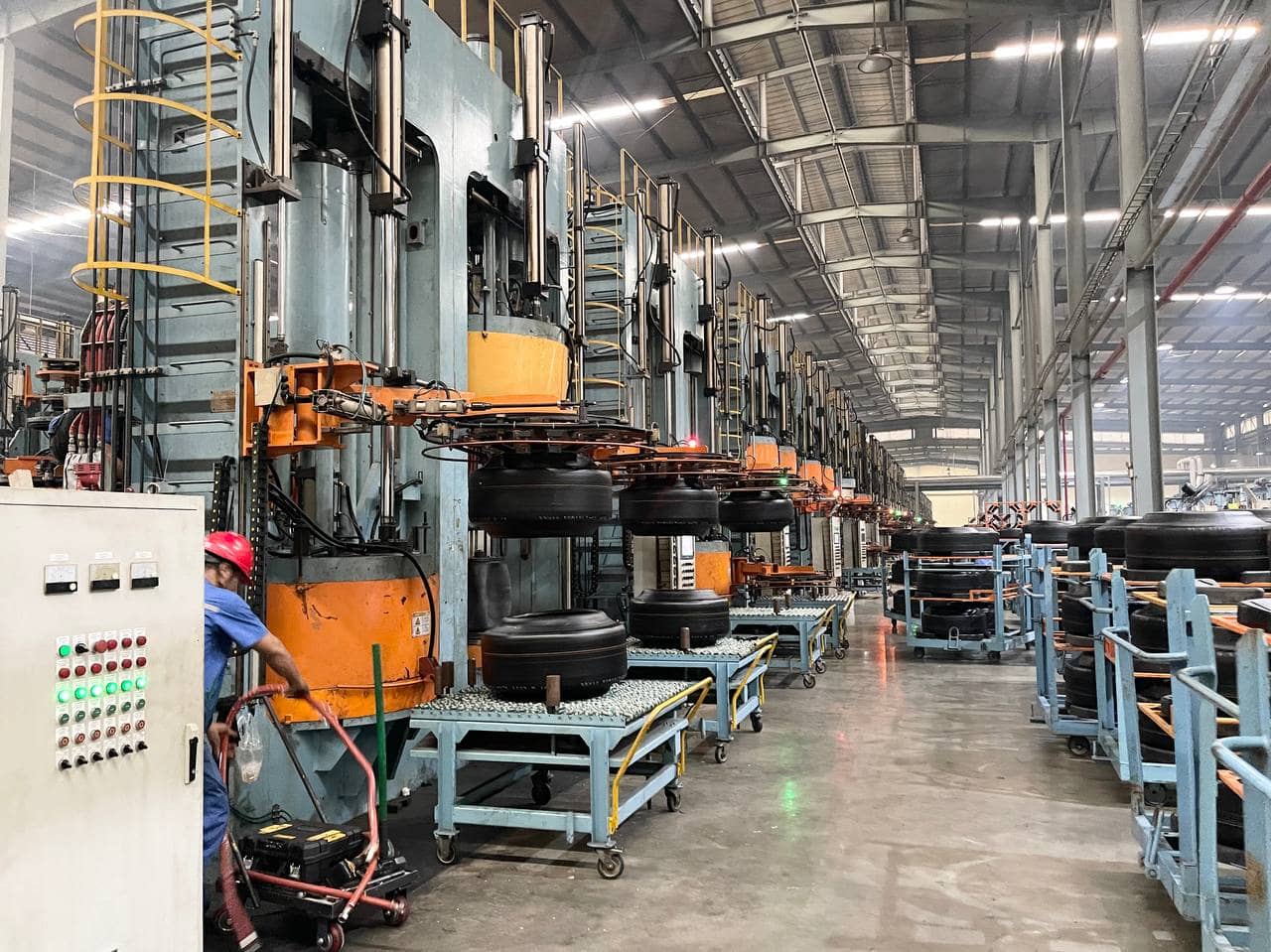
Cambodian investors led the charge as the largest source of capital for new projects in the first half of the year, beating out investors from China, Singapore and Malaysia. According to a July 14 statement from the Council for the Development of Cambodia (CDC), a total of 276 investment projects were registered by the CDC and Provincial-Municipal Investment Sub-Committees during the period. They represent a combined investment value of approximately $4.7 billion and are expected to create as many as 160,000 jobs. Among the more diverse projects were a $40 million monkey breeding facility in Kampong Thom province and a $300 million five-star hotel in Bavet, Svay Rieng. Investors from Cambodia contributed 41.74% capital, followed by China, at 35.75%, Singapore, at 15.38% and Malaysia, with 4.26%. Other sources of investment included the Netherlands, the British Virgin Islands, the Marshall Islands, Samoa, Japan and the US. The CDC said that 181 of the projects, with an investment value of approximately $4.4 billion, were registered directly by the CDC. They comprised 69 investment projects within existing Special Economic Zones (SEZs), 105 projects outside SEZs and seven new SEZ development projects. During the same period, 95 projects were registered by Provincial-Municipal Investment Sub-Committees, representing investment worth approximately $291 million. According to the CDC, the approved projects included plantations and processing facilities for cashews, mangos, bananas and black ginger, as well as fisheries products. They also included the expansion of a cement plant and manufacturing plants for solar, wind and biomass power generation plants; a tire and inner tube manufacturing plant; a paper mill; and an electric vehicle assembly plant. Lim Heng, vice-president of the Cambodia Chamber of Commerce (CCC), told The Post on July 15 that despite the uncertain global economic environment and the border tensions caused by Thai military action, Cambodia has continued to demonstrate its ability to attract new investment. He said the increase in applications and CDC approvals was driven by several factors, including the continued implementation of Cambodia’s bilateral and multilateral free trade agreements with countries around the world, the government’s investor-friendly policies and the availability of a skilled workforce. “Cambodia’s strategic geographic location and these advantages have made the country increasingly attractive to both investors and international tourists,” he said. Heng noted that one particularly encouraging trend in recent months has been the growing diversity of projects approved by the CDC. “What stands out recently is that the projects approved by the CDC have become remarkably diverse, covering light, medium and heavy industries. At the same time, the increase in domestic investment also reflects the resilience and strength of the Kingdom’s economic growth,” he added. Heng explained that such diversified investment should make Cambodia’s economy more resilient because difficulties in any one export sector would be less likely to disrupt the country’s overall economic performance. According to him, the continued implementation of Cambodia’s free trade agreements with countries around the world, together with increasingly diversified investment, is also helping reduce Cambodia’s heavy reliance on preferential trade schemes that the country could eventually lose, such as the Everything But Arms (EBA) initiative and the Generalized System of Preferences (GSP).
多角的分析
国内資本が投資の主導権を握ったことは、カンボジア経済の内需主導型成長へのシフトと、国内企業による将来への自信の高まりを示唆している。約47億ドルという上半期の総投資額は、パンデミックからの回復と経済の安定化を反映している。多様な産業への投資は、経済構造の多角化と、特定セクターの不況に対する脆弱性の低減に寄与するだろう。特に、サル繁殖施設や高級ホテルのようなプロジェクトは、新たな雇用機会を生み出すだけでなく、カンボジアの産業ポートフォリオの拡大とサービス業の発展を促進する可能性がある。
国内資本が投資額の過半数を占めたことは、カンボジアの投資環境に対する国内投資家の信頼感の高まりを示す。これは、政府の投資促進策や、自由貿易協定(FTA)の恩恵を享受できるようになったことによるものと考えられる。一方で、中国、シンガポール、マレーシアといった周辺国からの投資も依然として重要であり、カンボジアが国際的な投資ハブとしての地位を維持・強化していく上で、これらの国々との関係維持は不可欠である。多様な産業への投資は、リスク分散の観点からも投資家にとって魅力的な要素となる。
サル繁殖施設や高級ホテルといった多様なプロジェクトの承認は、雇用創ちの機会を広げると同時に、地域社会の構造変化を促す可能性がある。例えば、サル繁殖施設は、関連産業(飼料、獣医サービスなど)の発展や、新たな雇用を生み出す一方で、動物福祉や環境への影響に関する懸念も生じうる。高級ホテルは、観光産業の活性化に貢献するが、地域住民の生活環境や文化への影響も考慮する必要がある。国内資本の増加は、経済的恩恵が国内に還元される可能性を高めるが、その恩恵が社会全体に公平に行き渡るかどうかが今後の課題となる。
国内資本の増加は、カンボジア国民が自国の経済成長に直接貢献し、その恩恵を享受する機会が増えることを意味する。特に、16万人の雇用創ちが見込まれることは、多くの国民にとって生活水準の向上につながる可能性がある。しかし、サル繁殖施設や高級ホテルといったプロジェクトが、地域住民の生活や環境にどのような影響を与えるかは、今後の注視が必要である。また、投資の多様化は、経済全体の安定につながり、失業率の低下や賃金の上昇をもたらすことが期待されるが、その恩恵が国民全体に行き渡るような政策が求められる。
背景・歴史的文脈
カンボジアは長年、外国からの直接投資(FDI)に経済発展を依存してきた。特に中国からの投資は、インフラ開発を中心に大きな役割を果たしてきた。しかし、近年、カンボジア政府は国内資本の育成と投資環境の改善に力を入れており、自由貿易協定(FTA)の締結や投資誘致政策の強化を進めてきた。今回の国内資本の優位性は、こうした政府の努力と、国内経済の成長鈍化への懸念から、国内企業が自国経済への投資を加速させている状況を反映していると考えられる。また、EUのEBAや米国のGSPといった優遇貿易措置の一部停止リスクも、国内経済の基盤強化を促す要因となっている。
原文ソース
Phnom Penh Post