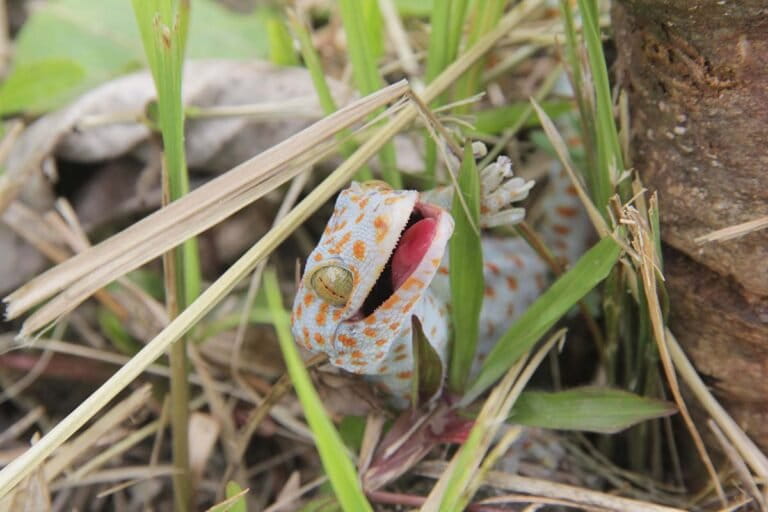
Tokay Gecko Trade Flourishes on Indonesian Marketplaces Amid Regulatory Questions
The open trade of Tokay geckos on Indonesian online marketplaces has come to light, raising concerns among experts. With the species listed on CITES Appendix II, the importance of regulating wild collection and ensuring sustainable use is highlighted.
This article requires PRO
This article is outside the free access window or is a special report. PRO unlocks it and the full archive.
Related articles
- Scam Information Spreading Under Bali Governor's Name, Suspected AI Misuse
A scam video claiming to distribute IDR 100 million in cash through a quiz, using the name of Bali Governor Wayan Koster, is circulating on social media. The misinformation is suspected to be edited using AI from past footage, and the governor's office is urging caution.
- Gibran's Diploma Lawsuit: Judge Saldi Isra Begins Reading Verdict
In an Indonesian court, Judge Saldi Isra has begun reading the verdict in a lawsuit challenging the academic credentials of Vice Presidential candidate Gibran Rakabuming. The lawsuit contested the validity of Gibran's degree.
- Taiwan Coast Guard Operation Fuels Hardline Sentiment in China
A maritime law enforcement operation by Taiwan's Coast Guard has exposed a particularly hardline strand of opinion towards Taiwan among some in mainland China, reflecting complex emotions and political calculations in cross-strait relations.
- Telaga Ranjeng: Catfish Taboo and Community Wisdom Protecting a Water Source
Telaga Ranjeng, a lake in Brebes, Central Java, is known for its catfish and carp, which are protected by a long-standing fishing taboo. This community-driven conservation practice, passed down through generations, serves as local wisdom safeguarding the water source and its ecosystem.