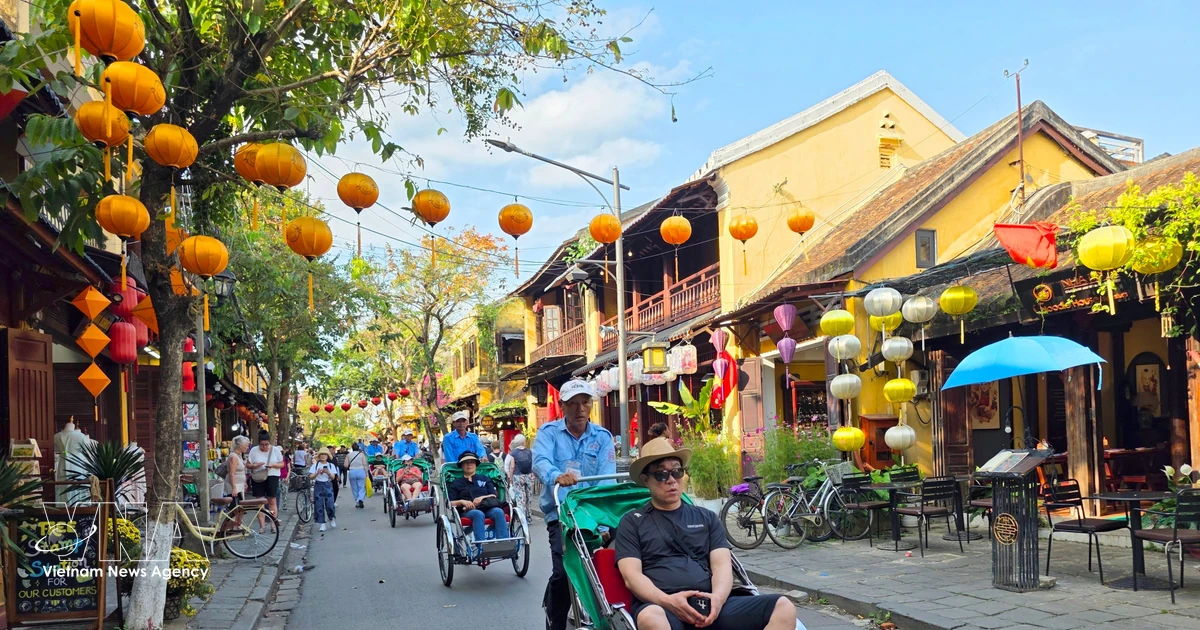
Vietnam Emerges as Top Southeast Asian Travel Hub Driven by Digitalization and Diversification
Culture
2026年6月30日
6
VietnamPlus English
Relations
🇻🇳Vietnam🇨🇳China🇮🇳India

Vietnam Emerges as Top Southeast Asian Travel Hub Driven by Digitalization and Diversification

AI サマリー

Vietnam is gaining traction as one of Southeast Asia's most attractive travel destinations, propelled by its digital transformation initiatives and diverse tourism offerings. The country is seeing a significant rise in visitors from China and India, with new experiences emerging across its regions.

Vietnam is rapidly emerging as one of Southeast Asia’s most sought-after travel destinations, bolstered by its commitment to digital transformation and the diversification of its tourism offerings. The country's 2026–2030 digital economy and digital society development program has identified the tourism sector as a priority for accelerating digital adoption, aiming to enhance governance efficiency, service quality, and overall visitor experiences. Data from online travel platform Agoda reveals a significant surge in interest from Chinese travelers, with accommodation searches in Vietnam increasing by 164% year-on-year in the first five months of 2026. This marks the fastest growth among international source markets, underscoring Vietnam's growing appeal to Chinese tourists. Domestically, Phu Quoc Island has witnessed a dramatic increase in visitor numbers, growing from approximately 1.45 million in 2016 to over 8.1 million in 2025. Similarly, Sa Pa welcomed around 4.3 million visitors in 2025, with tourism revenue seeing a more than elevenfold increase compared to the period before synchronized investment. Unique experiences, such as the "5 Cua O" heritage train departing from Hanoi and the natural beauty of Dinh Mountain near Ho Chi Minh City, are adding to the country's diverse attractions. Indian arrivals to Vietnam have also risen sharply, from around 100,000 before 2016 to 750,000 in 2025, a 4.5-fold increase from 2019. This growth is significantly driven by the expansion of direct air routes between the two nations, fostering greater tourism exchange. Fortune magazine highlights Vietnam as a top international destination for Indian travelers seeking value and unforgettable experiences, attributing its popularity to affordable hotels, direct flights, accessible visas, and breathtaking landscapes. Furthermore, new tourism resources are continuously being discovered, such as an unexplored cave with a nearly 70-meter-wide entrance and striking stalactites in the Bac Huong Hoa Nature Reserve in Quang Tri province. Da Nang has solidified its position as a tourism and leisure hub, ranking second on Lonely Planet's list of Asia's most attractive summer destinations. Destinations like Con Son Island in the Con Dao archipelago and Phu Quoc Island, recognized with Guinness World Records, are further enhancing Vietnam's global profile. The Vietnamese government is prioritizing tourism as a "spearhead economic sector" and a "new engine of sustainable growth." Coordinated efforts in planning, infrastructure development, product diversification, human resource training, digital transformation, and destination branding are underway. These initiatives are expected to enable Vietnam to meet evolving traveler demands and bolster its international competitiveness. Information Source: VietnamPlus English

多角的分析

経済的影響

ベトナムの観光産業の成長は、デジタル化への投資とインフラ整備の成果を反映している。特に、中国やインドからの旅行者増加は、航空路線の拡充やビザ緩和といった政策的支援と連動しており、外貨獲得および関連産業への波及効果が期待される。これは、ベトナムが製造業だけでなく、サービス業においても国際的な競争力を高めようとする戦略の一環と見られる。

投資家心理

ベトナムの観光セクターへの投資は、高い成長ポテンシャルを持つと見られている。特に、フーコック島やダナンなどの主要観光地におけるインフラ投資や、新規アトラクション開発への関心が高まっている。デジタル化への積極的な取り組みは、運営効率の向上や顧客体験のパーソナライゼーションを可能にし、投資家にとって魅力的な要素となっている。ただし、インバウンド需要の変動リスクや、地方部におけるインフラの未整備状況は考慮すべき点である。

社会的影響

観光客の増加は、地方経済の活性化に貢献する一方で、地域社会への影響も考慮する必要がある。例えば、フーコック島やサパでは、観光客の急増がインフラ(交通、宿泊施設、水・電力供給)への負荷を高め、住民生活との摩擦を生む可能性が指摘されている。また、新たな観光資源の発見は、地域住民の生活や伝統文化との調和を図りながら、持続可能な観光開発を進める上での課題となる。

市民の声

ベトナム市民、特に若年層は、デジタル化された観光サービスや、SNSで話題となるような新しい観光体験に強い関心を持っている。ハノイの伝統文化体験や、ホーチミン市のモダンなリゾート開発など、多様なニーズに応えるコンテンツが増えていることは、国内旅行の活性化にも繋がる。一方で、主要観光地での混雑や物価上昇は、市民の日常生活に影響を与える可能性もある。

背景・歴史的文脈

ベトナムは、ドイモイ政策以降、市場経済化を進め、経済成長を遂げてきた。その中で、製造業に次ぐ新たな成長エンジンとして観光産業の育成を重視している。特に2010年代以降、インフラ整備(空港、道路)、ビザ緩和、プロモーション強化などを通じて、外国人観光客誘致に力を入れてきた。デジタル化への投資は、近年のグローバルなトレンドであり、ベトナム政府はこれを観光業の競争力強化に活用しようとしている。中国やインドといった近隣大国からの観光客増加は、地理的近接性と経済成長を背景としている。

原文ソース

VietnamPlus English

原文を読む