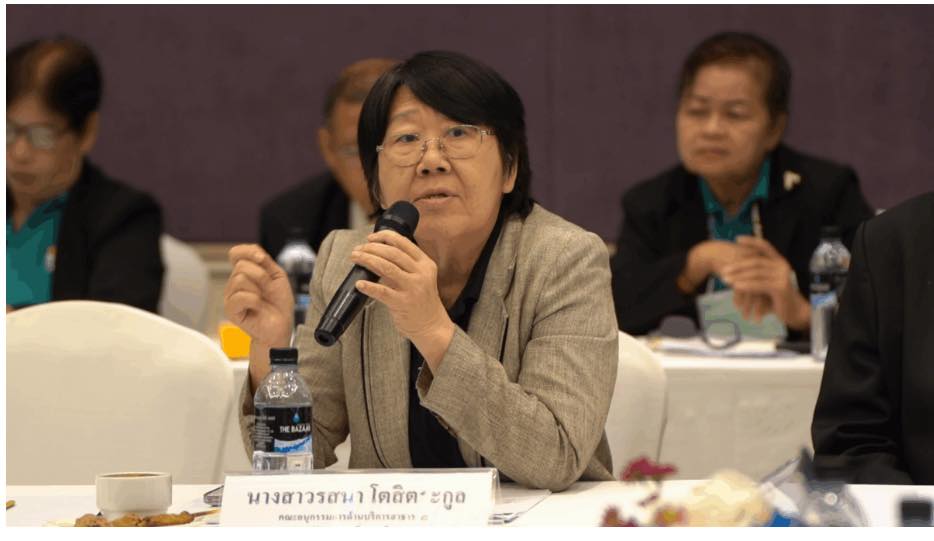
Thai Citizen Groups Urge Government to Cut Fuel Excise Tax Amidst Living Cost Crisis
Thai citizen groups are strongly urging the government to reduce the excise tax on fuel in an effort to combat rising consumer prices. The move aims to directly alleviate the burden on citizens' daily lives.
This article requires PRO
This article is outside the free access window or is a special report. PRO unlocks it and the full archive.
Related articles
- Armed Robbery at Pattaya Luxury Home, Over 35 Million Baht in Crypto Allegedly Stolen
Three armed men allegedly broke into a luxury home near Pattaya, Thailand, held a foreign resident at gunpoint, and stole cash, luxury watches, and cryptocurrency valued at over 35 million baht. Police have launched an investigation.
- Thai Pet Food Market Shows Strong Growth Aligned with PETOUR's Domestic Production Plans
Thailand's pet food market is demonstrating robust growth, coinciding with PETOUR's plans to establish domestic production facilities. The company aims to expand its production capacity within Thailand to meet market expansion.
- Luxury Home Robbery in Chonburi, Thailand, Targets Cash, Rolex, and Cryptocurrency
A luxury home in Nong Phrue, Chonburi, Thailand, was targeted by three robbers who stole cash, Rolex watches, and forced a cryptocurrency transfer, with estimated damages nearing 30 million baht.
- One Bangkok Marks 2nd Anniversary with Brand Refresh and Enhanced Experiences
One Bangkok, a major mixed-use development in central Bangkok, celebrates its second anniversary. The project aims for further growth by introducing new brands and experiences, marking it as a significant urban development initiative in Thailand.