Indonesia Unveils Rindekraf 2026-2045 to Bolster Creative Economy
Indonesia has officially launched the "Rindekraf" Master Plan for the Creative Economy, covering 2026-2045 via Presidential Decree. This initiative aims to foster the creative economy as a new engine for national economic growth, with development originating from regional areas.
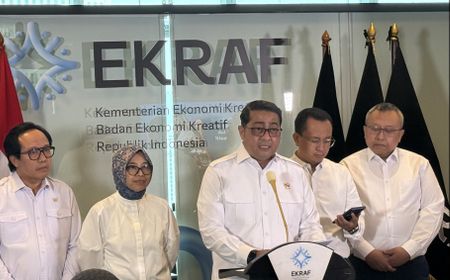
Minister of Creative Economy Teuku Riefky Harsya revealed that President Prabowo Subianto has set the Creative Economy Master Plan (Rindekraf) for 2026-2045 as part of supporting the development of the creative economy. "The ratification of Rindekraf 2026-2045 is a tangible manifestation of President Prabowo's commitment to building a creative economy as a new engine for national economic growth. This document is a common guideline to strengthen the inclusive, adaptive, and implementable creative economy ecosystem," said Minister of Creative Economy, Teuku Riefky Harsya, on Wednesday, July 8. The Rindekraf is structured based on three main values, namely Inclusive, Adaptive, and Implementative. Inclusive by accommodating the diversity of actors and creative economic ecosystems. Adaptive by adjusting technological developments and industry dynamics. Implementative through an Action Plan that is in line with the duties, authorities, and resources of the implementing Ministries/Institutions. This plan is also a commitment of the Indonesian Government to encourage the creative economy as a new engine for national economic growth. Through Rindekraf, the Ekraf subsector is grouped into four clusters based on Arts and Culture; Design; Digital Technology and Content; and Creative Media and Distribution which currently include 21 subsectors. This is aimed at strengthening competitiveness and adaptability to digitalization, AI, green economy, and future economic opportunities. "Talent and intellectual property strengthening. The Presidential Decree becomes a common guideline for strengthening the creative economy to answer future challenges. This is a tangible manifestation of Indonesia's commitment to building an economy as a new engine that starts from the region," said Teuku Riefky Harsya, further. Rindekraf is not only a guide from the government but also a collaboration involving 26 Ministries/Institutions and 4 Coordinating Ministries. The three main focuses are the development of Creative Villages with existing institutions, the optimization of Creative Hub which focuses on the development of expertise and facilitation of market access as well as support from the Regional Government. The presence of Rindekraf 2026-2045 also strengthens creative economic actors in Indonesia in terms of laws and policies, KI protection, talent strengthening, and open access to financing and global markets. The addition of the creative economy sub-sector from 17 to 22 has also been adjusted to follow technological and industrial developments. "The first is automotive modification, a kind of custom; then new technologies including AI, blockchain, big data, cyber security, and others. Then digital content including creator content, affiliates, live commerce; and also voice over. So that's 4 new subsectors," added Teuku Riefky. "This Presidential Decree is a common guideline to strengthen the Ekraf ecosystem in a targeted, sustainable manner, and able to respond to future challenges," he said again.
多角的分析
Rindekraf 2026-2045の公表は、インドネシア経済の多角化と新たな成長エンジンの育成を目指す政府の意欲を示すものである。創造経済は、デジタル化の進展やAI、グリーン経済といった将来の経済機会に対応できるポテンシャルを秘めており、特に地域経済の活性化に貢献することが期待される。過去、インドネシア経済は天然資源への依存度が高かったが、近年はサービス業や製造業の比重が増加しており、創造経済の強化はその流れを加速させる可能性がある。ただし、計画の実行には、国内のデジタルインフラ整備、人材育成、知的財産保護の強化が不可欠であり、これらの課題への具体的な取り組みが成功の鍵となる。
Rindekraf 2026-2045は、創造経済分野への投資機会拡大の可能性を示唆している。特に、デジタル技術、コンテンツ制作、デザイン、そして新たに加わったAIやブロックチェーン関連分野は、国内外からの投資を呼び込む潜在力を持つ。過去、インドネシアではスタートアップエコシステムが急速に発展しており、ユニコーン企業も輩出していることから、創造経済分野への投資は、新たな成長ドライバーとして注目されるだろう。しかし、投資家は、知的財産権の保護、市場アクセスの容易さ、そして法規制の安定性といったリスク要因を慎重に評価する必要がある。
Rindekrafの「包括的」という価値観は、地方のクリエイターや小規模事業者の参加を促進し、所得格差の是正や地域経済の活性化に繋がる可能性がある。創造経済の発展は、若年層の雇用創出や、SNSなどを通じた自己表現の機会拡大にも寄与するだろう。一方で、デジタルデバイド(情報格差)の解消や、急速な技術革新への適応支援が、社会全体での恩恵を最大化するための課題となる。例えば、地方のクリエイターが最新のデジタルツールやマーケティング手法にアクセスできる環境整備が求められる。
プラボウォ政権が掲げる創造経済の強化は、国民、特に若年層にとって、新たなキャリアパスや収入源の創出につながる可能性がある。例えば、地方に住む若者が、オンラインプラットフォームを通じて自身の作品を世界に発信し、収益を得る機会が増えるかもしれない。しかし、その恩恵が全国民に行き渡るためには、デジタルインフラの整備や、創造的なスキルを習得するための教育機会の提供が不可欠である。また、知的財産権の保護が強化されることで、クリエイターが自身の作品から正当な対価を得られるようになり、生活の安定に繋がることが期待される。
背景・歴史的文脈
インドネシアは、ASEAN地域における経済大国として、経済成長の多様化を常に模索してきた。特に、人口の大部分を占める若年層のエネルギーと、豊かな文化遺産を活かした創造経済は、近年注目を集めている分野である。2010年代以降、デジタル技術の普及とともに、インドネシア国内ではスタートアップ企業が勃興し、コンテンツ制作、eコマース、フィンテックなどの分野で目覚ましい成長を遂げてきた。しかし、これらの成長は必ずしも均等ではなく、地域間の格差や、知的財産権保護、法規制の整備といった課題も浮上していた。今回のRindekraf 2026-2045は、こうした過去の経験と課題を踏まえ、創造経済を国家戦略として体系的に推進し、持続的な成長と包摂的な発展を目指すための包括的な枠組みとして位置づけられている。
原文ソース
VOI English